
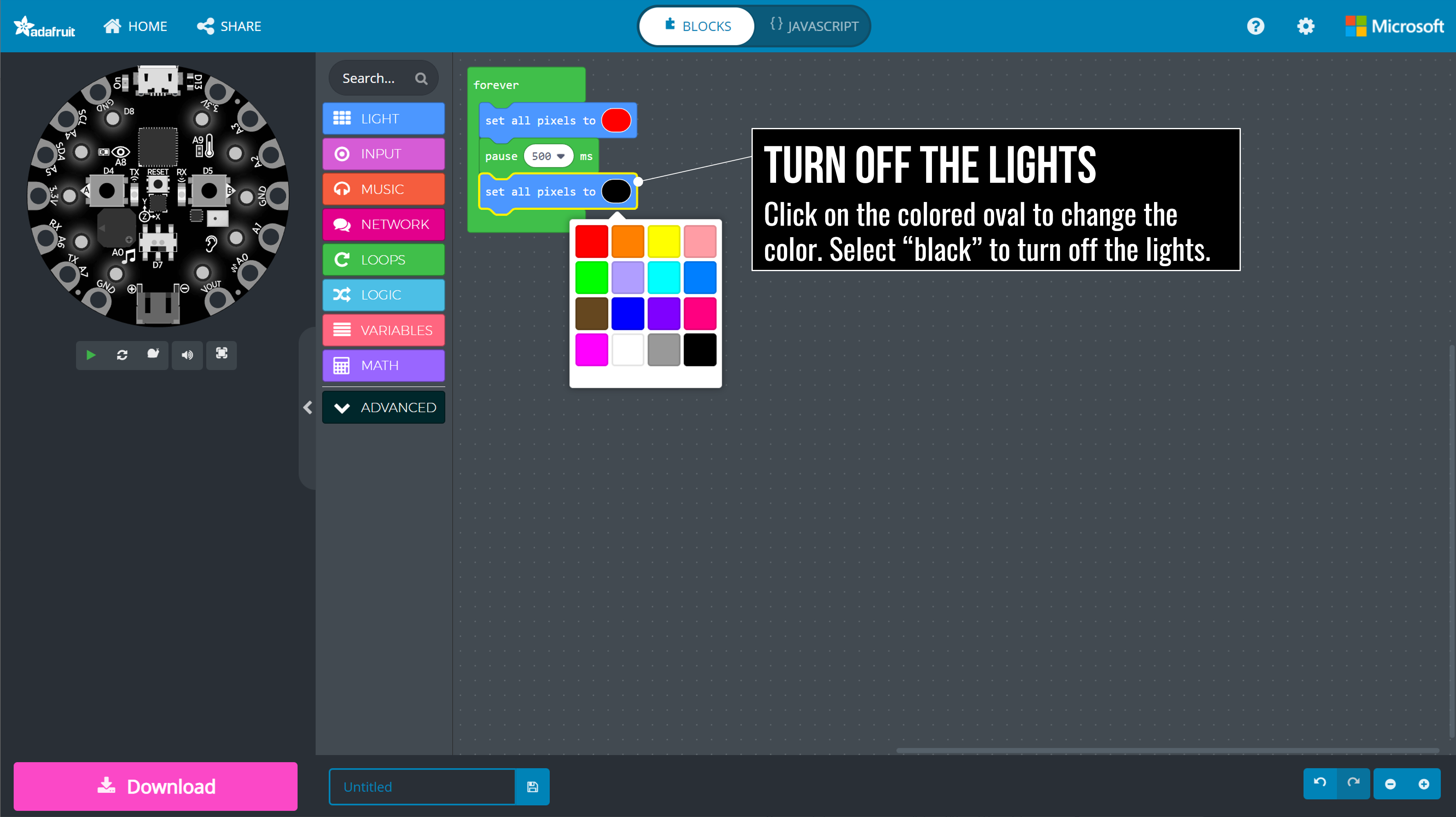
L2 Programming With MakeCode Physical Computing
Download this free L2 Programming With MakeCode Physical Computing and use it right away. Optimized for A4 and Letter paper, all 100 designs are ready to print without editing software. No sign-up required.
How to Use This L2 Programming With MakeCode Physical Computing
- Browse the collectionScroll through the L2 Programming With MakeCode Physical Computing designs above and click any image to open it full size.
- Download the imageHit the Download button to save the full-resolution file to your device.
- Print on standard paperUse A4 or Letter paper. Select 'Fit to page' in your printer settings to ensure nothing is cut off.
- Use immediatelyNo editing, software, or account needed — it's ready the moment it comes out of the printer.
More L2 Programming With Makecode Physical Computing Templates
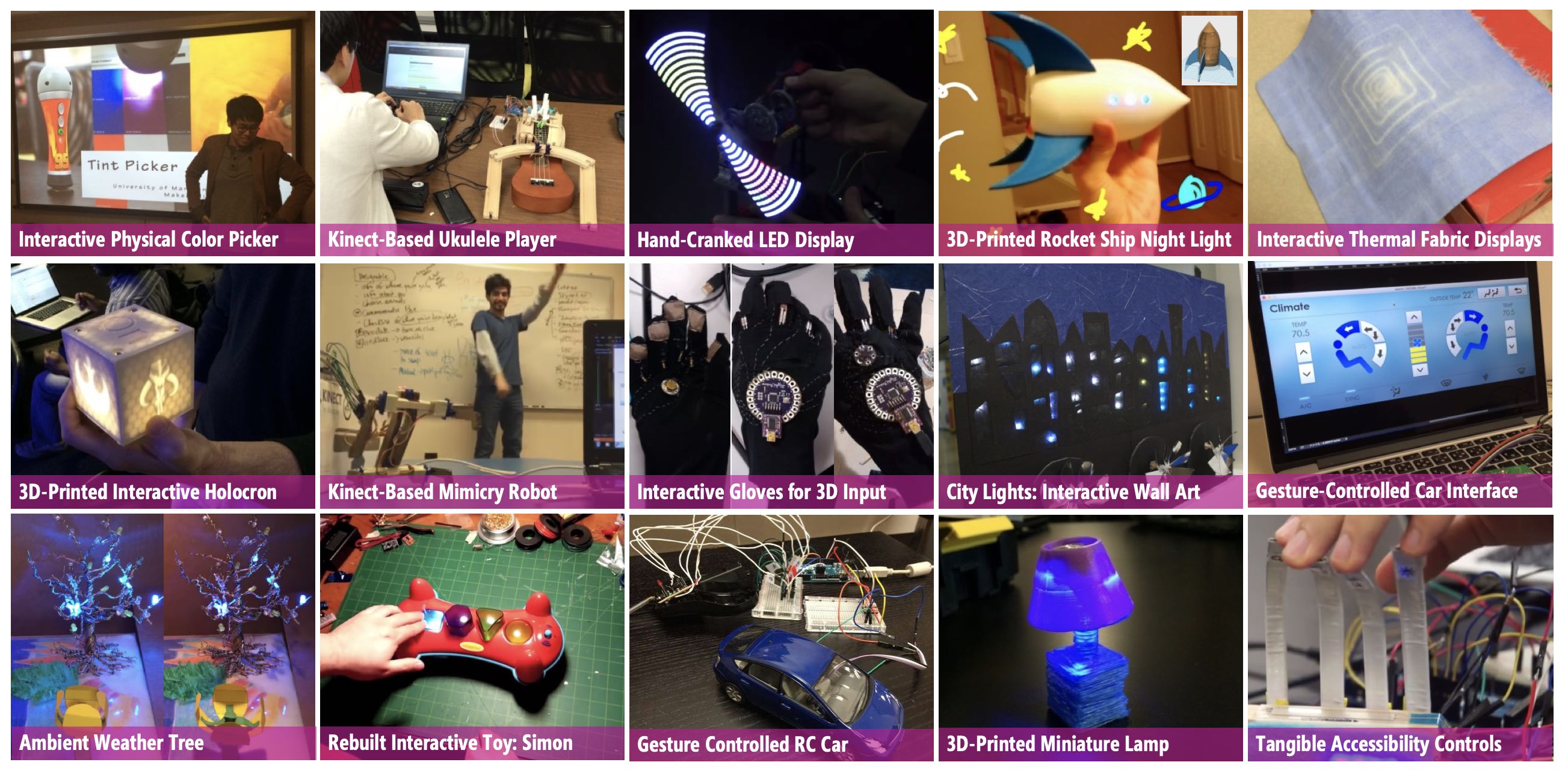 Home - Physical Computing
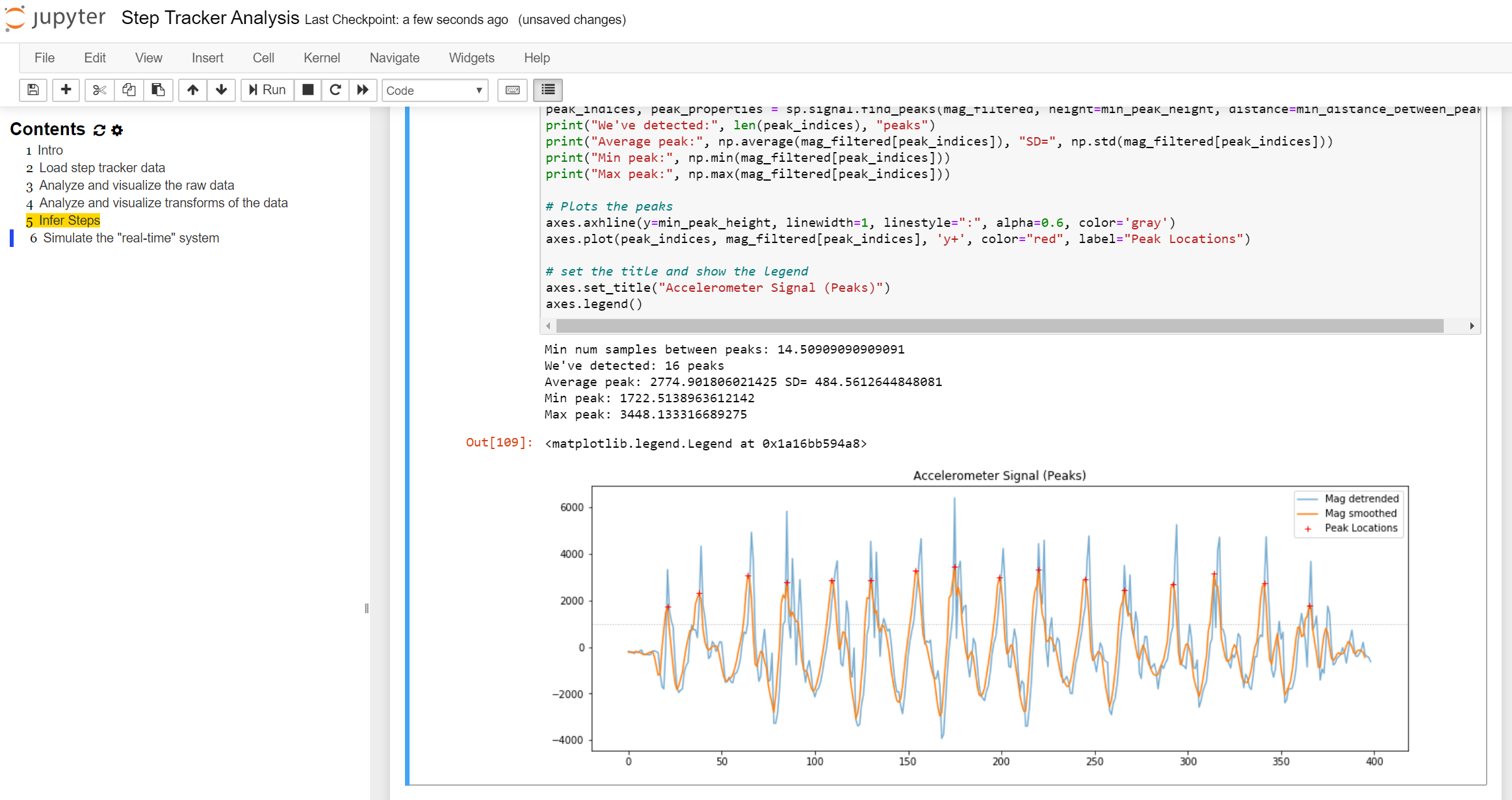 Signals - Physical Computing
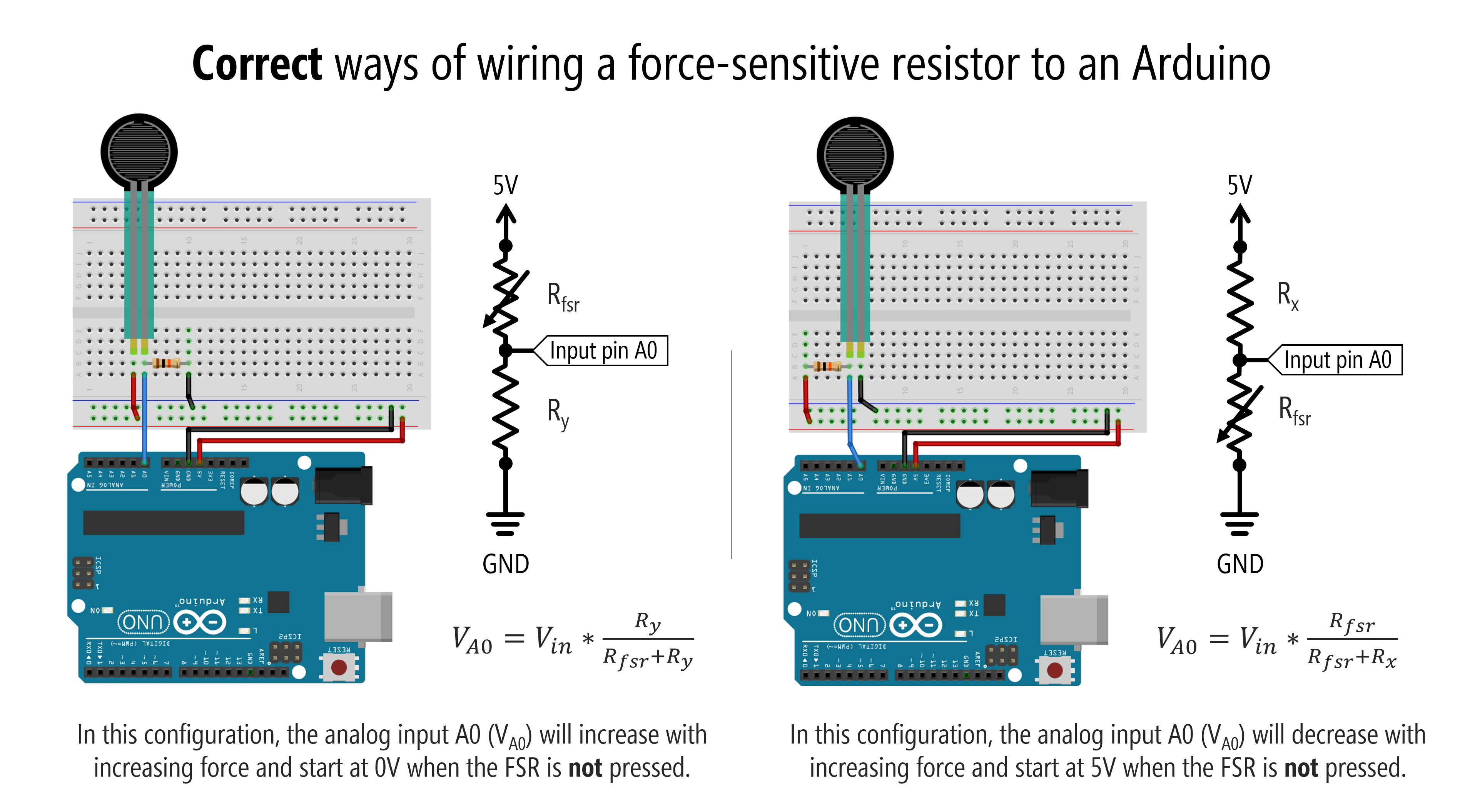 L5: Force-Sensitive Resistors - Physical Computing
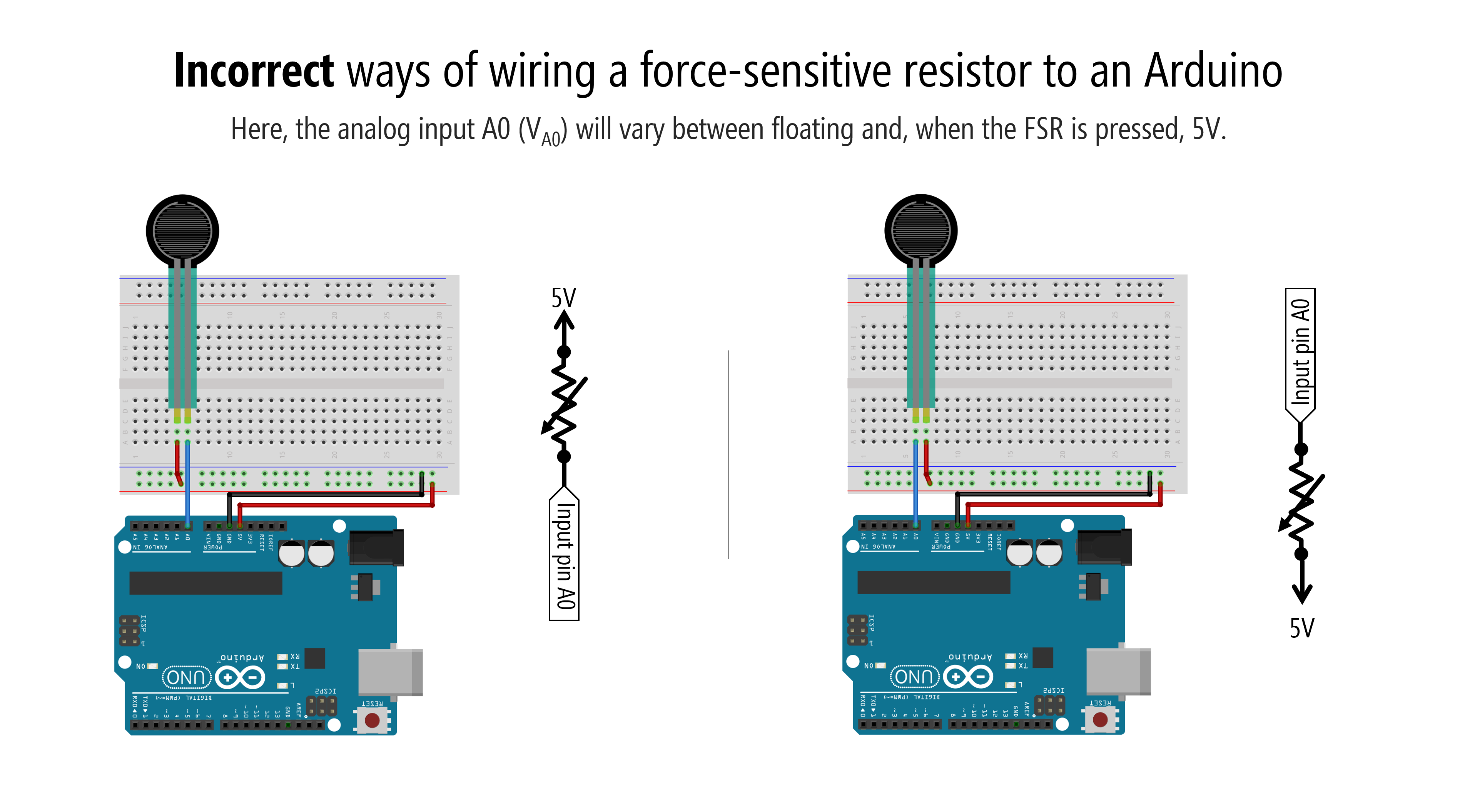 L5: Force-Sensitive Resistors - Physical Computing
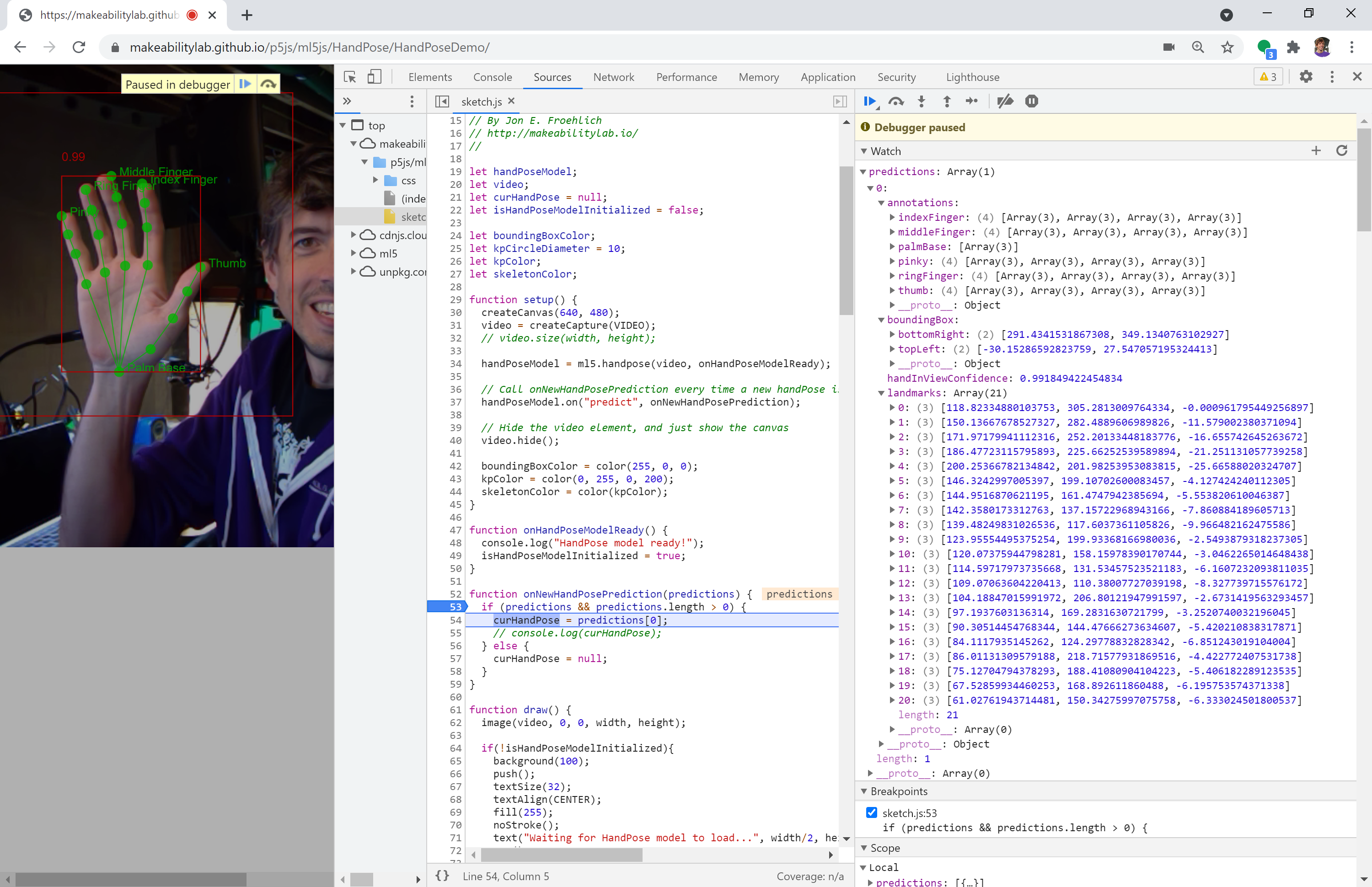 L7: HandPose Serial - Physical Computing
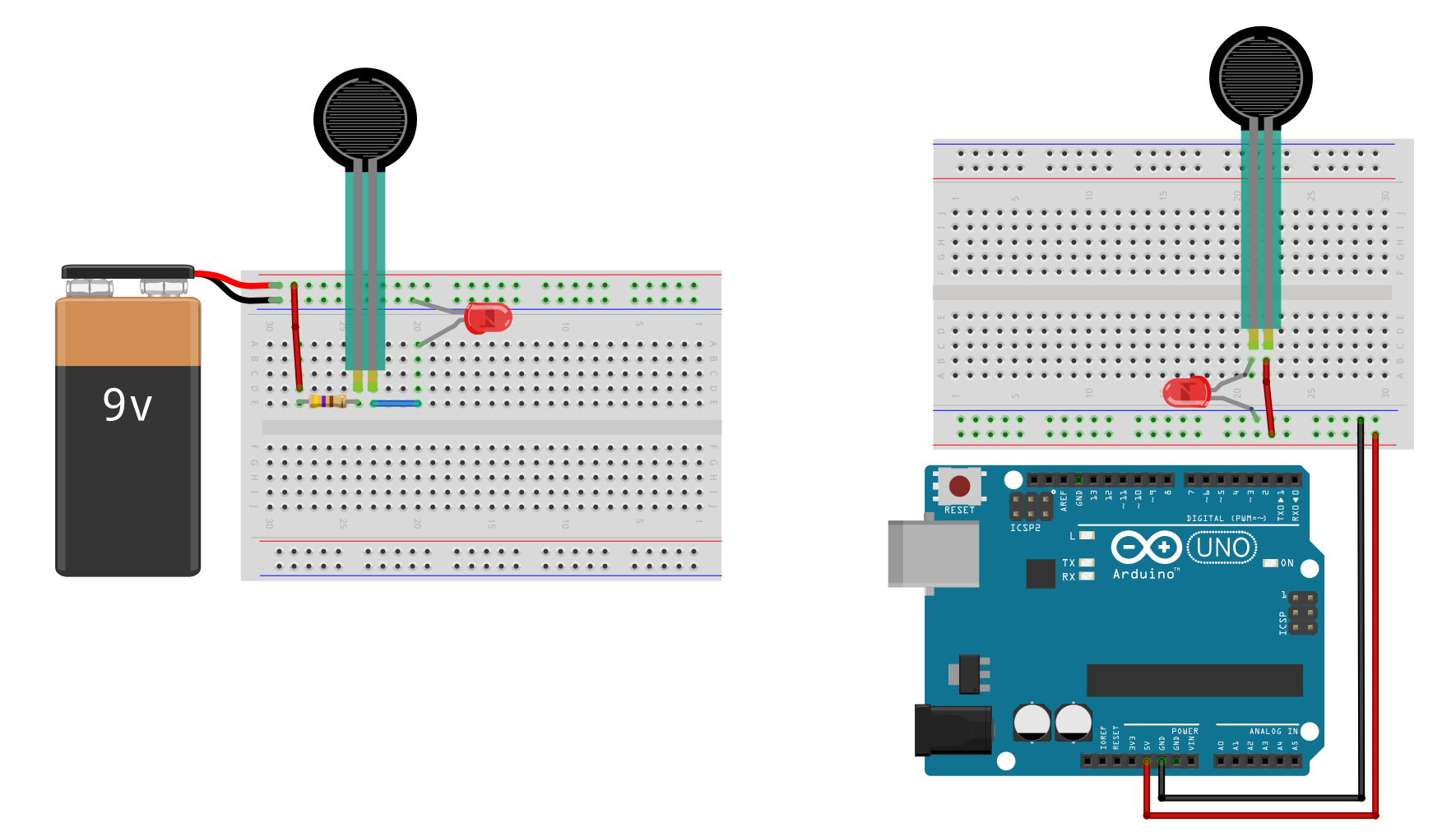 L5: Force-Sensitive Resistors - Physical Computing
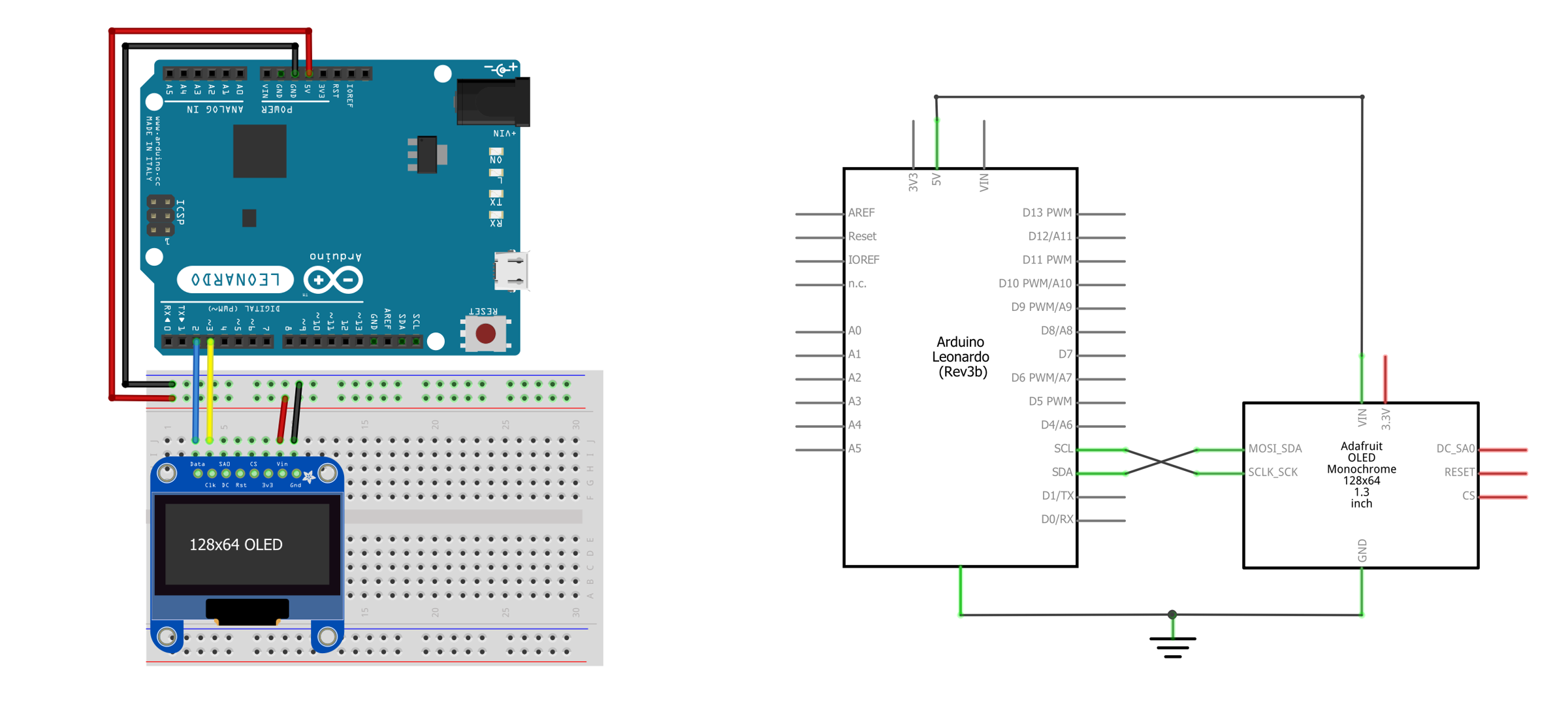 L2: Web Serial - Physical Computing
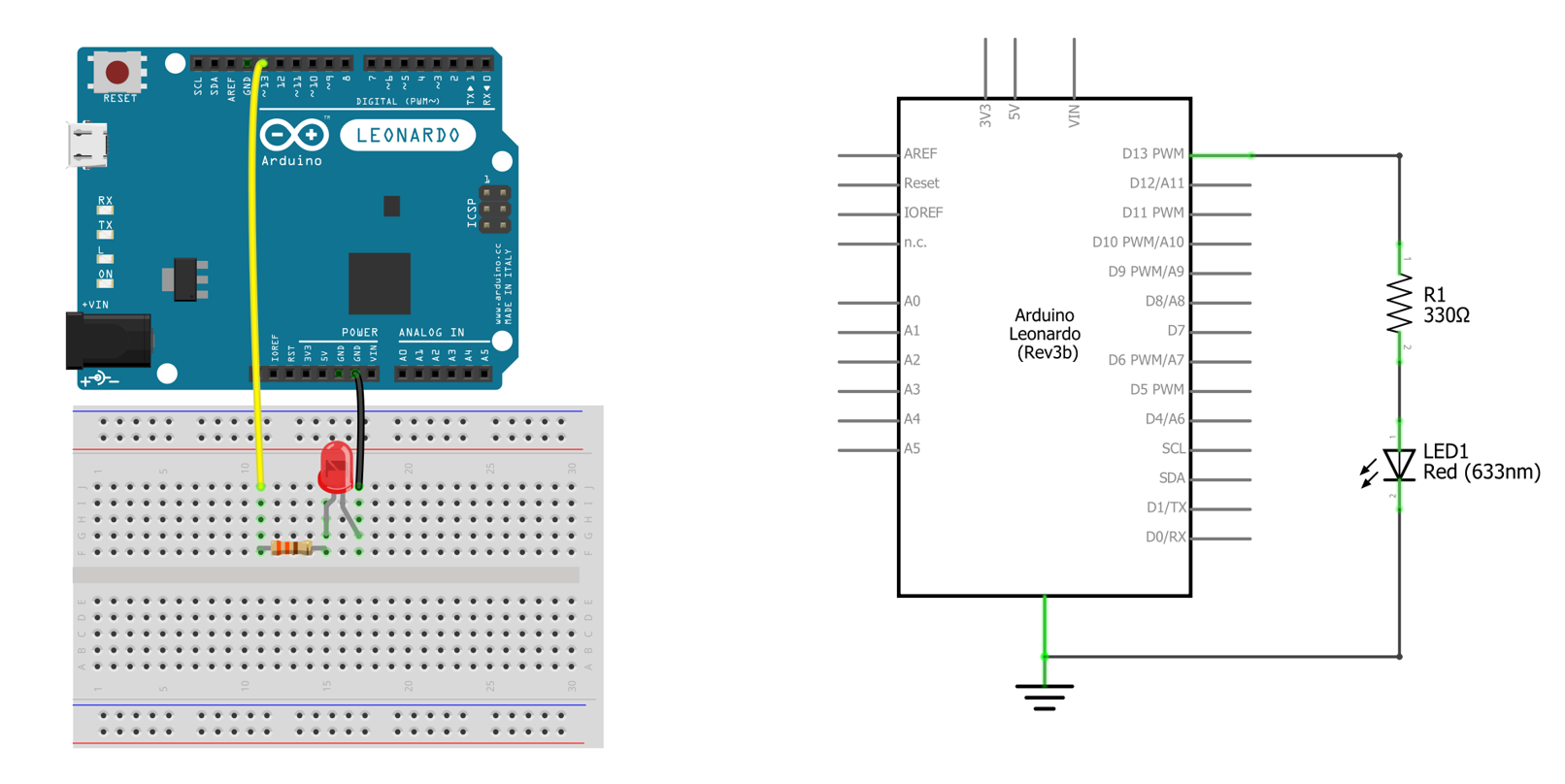 L2: Web Serial - Physical Computing
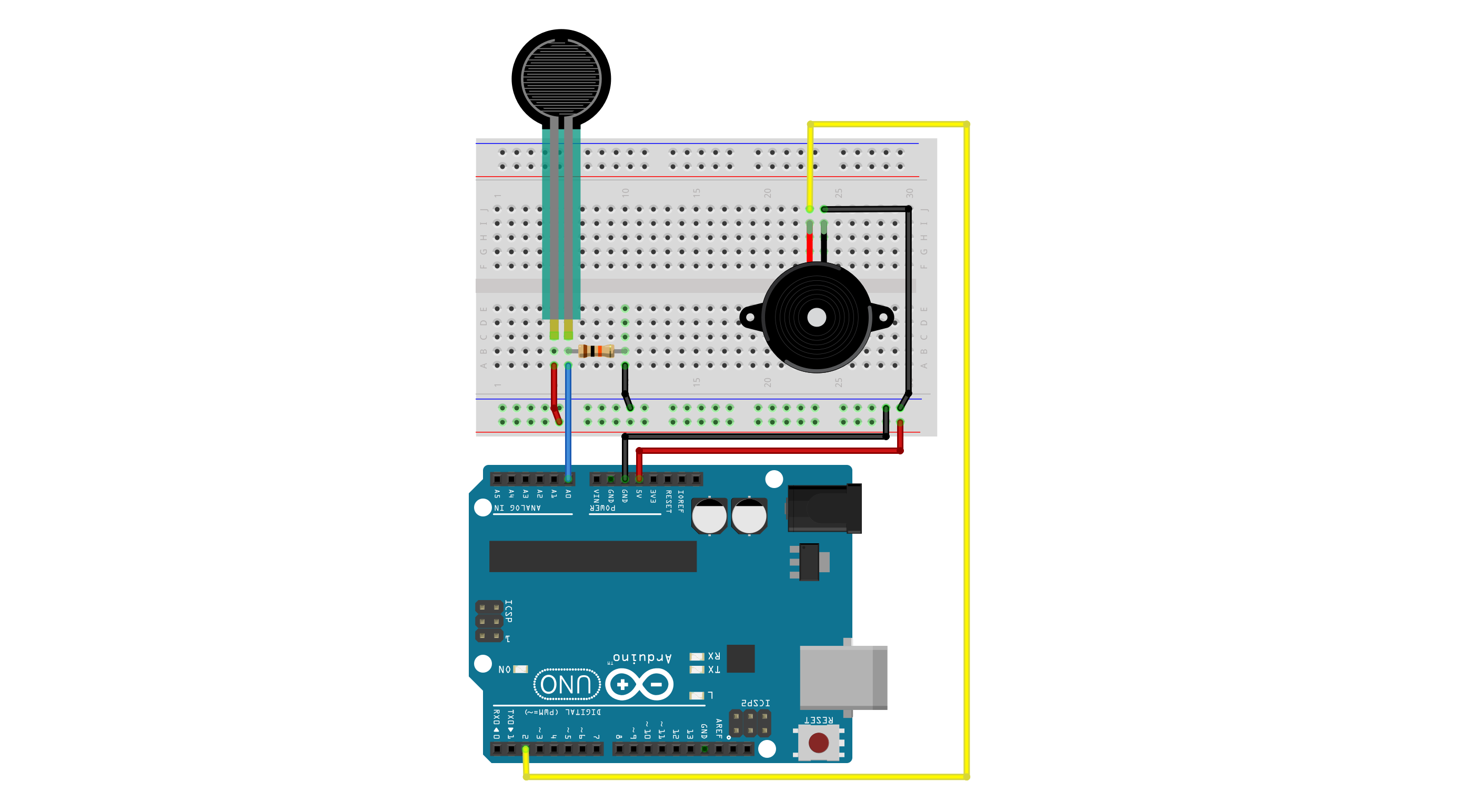 L5: Force-Sensitive Resistors - Physical Computing
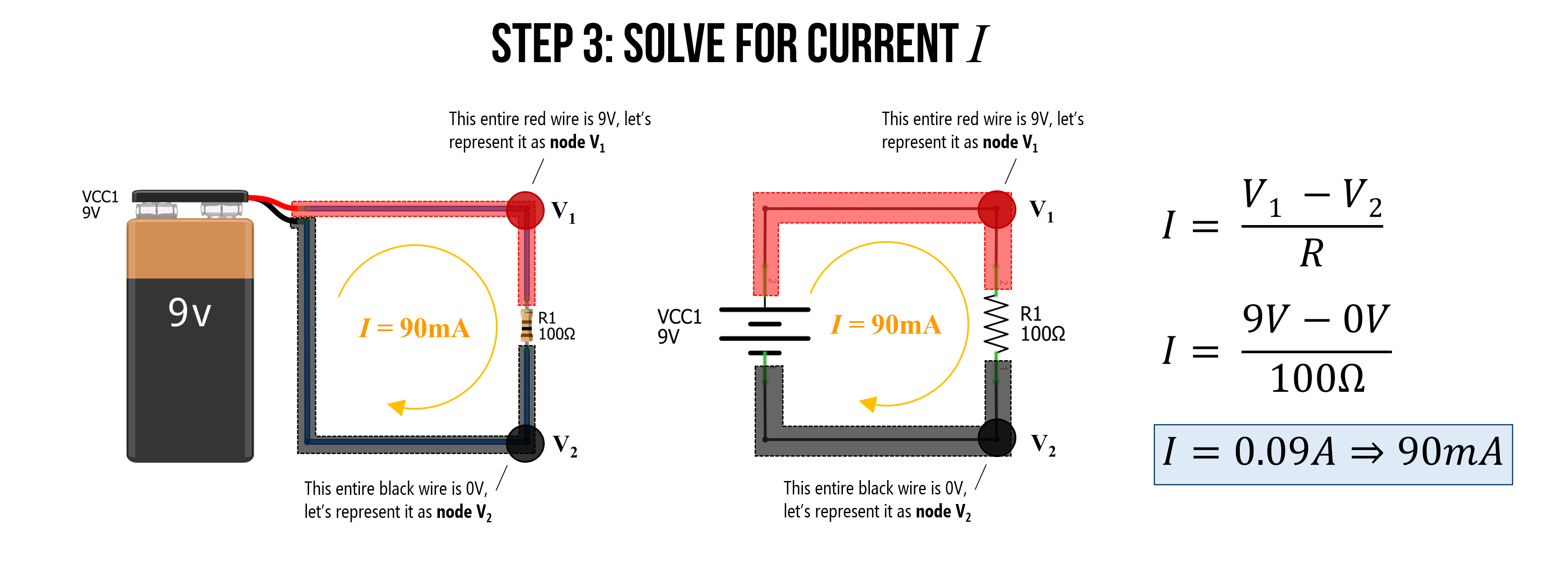 L3: Ohm's Law - Physical Computing
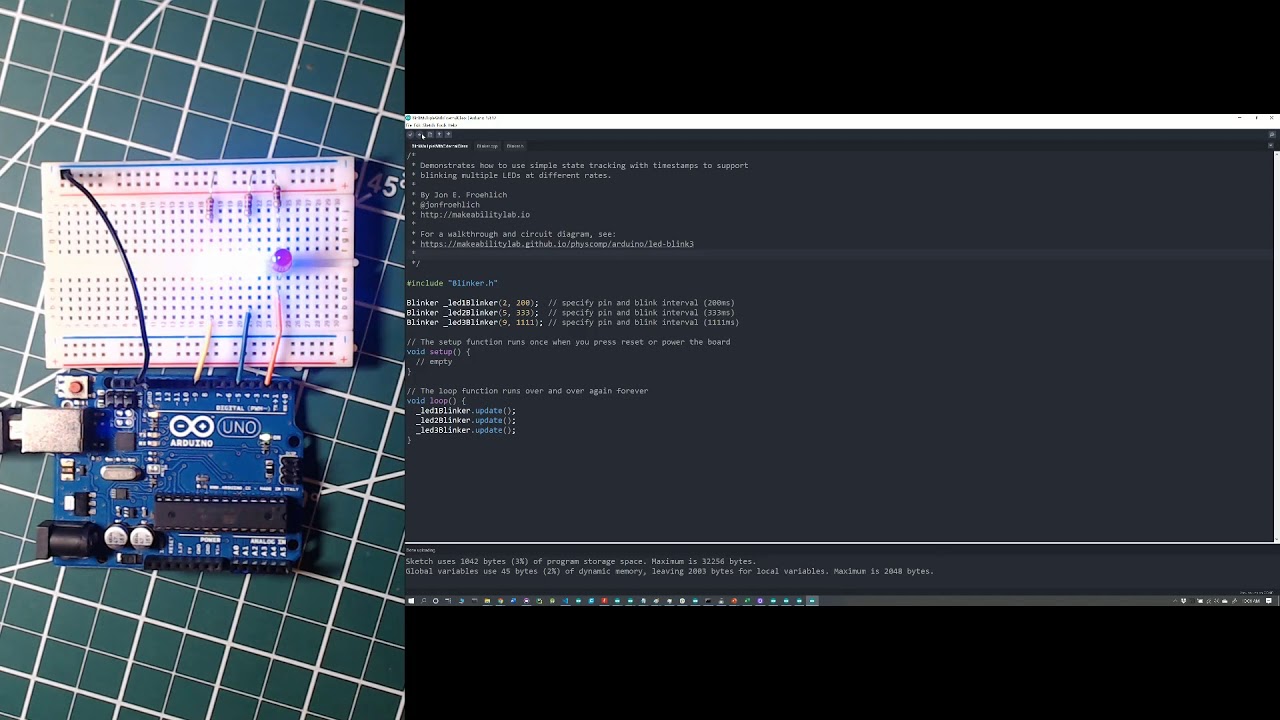 L8: Rate Blinking LEDs - Physical Computing
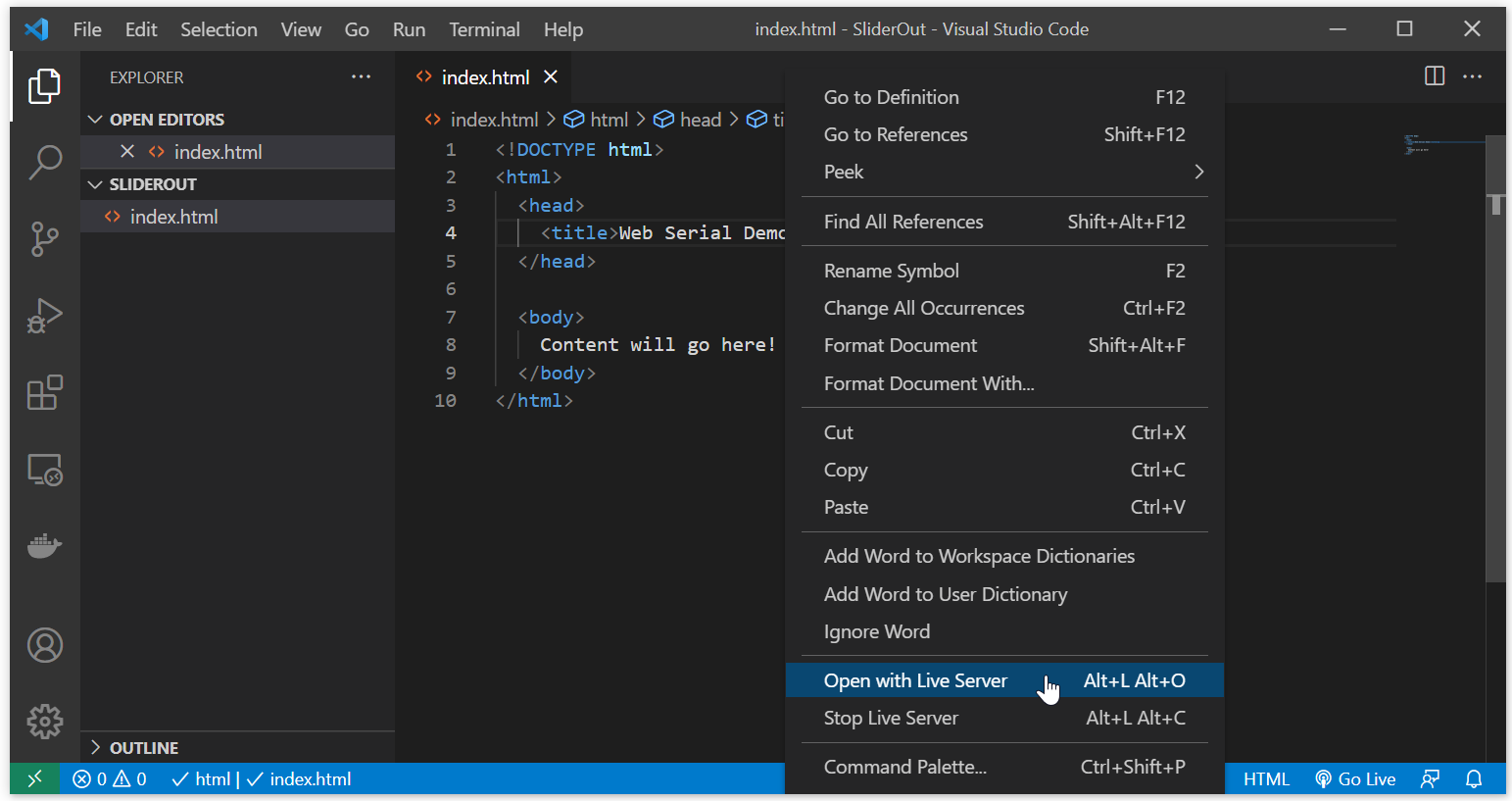 L2: Web Serial - Physical Computing
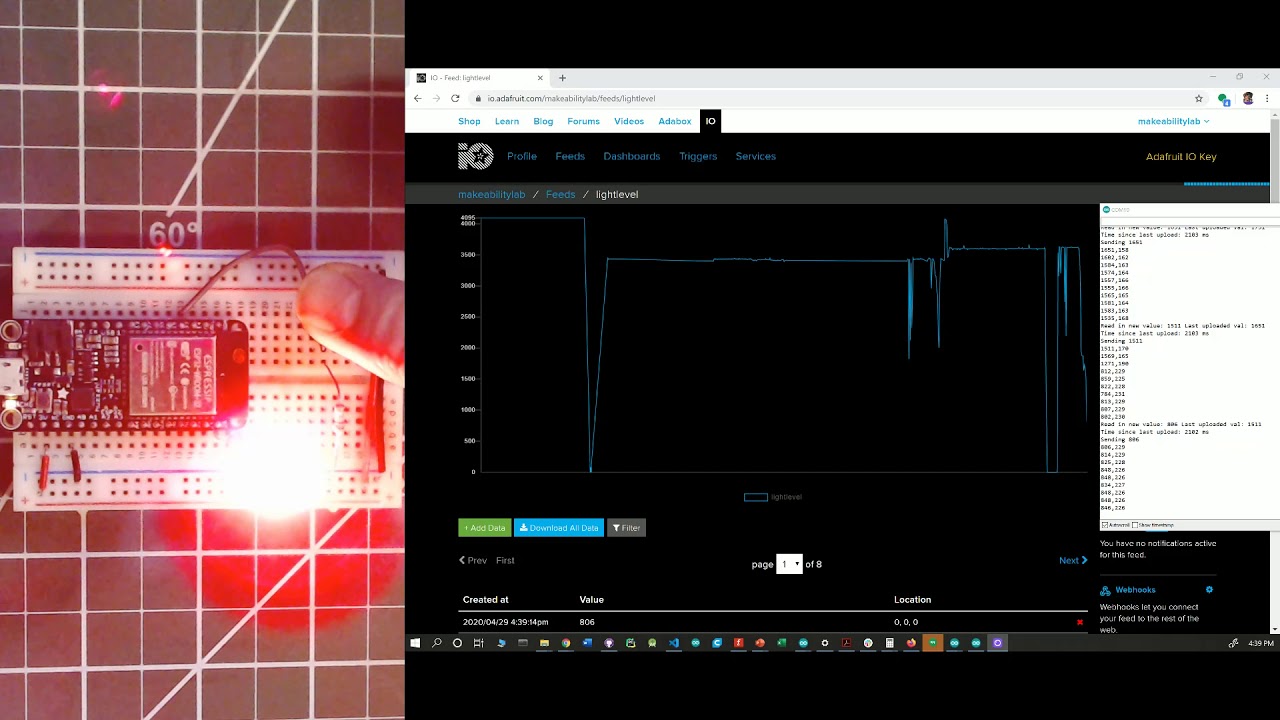 L7: Internet of Things - Physical Computing
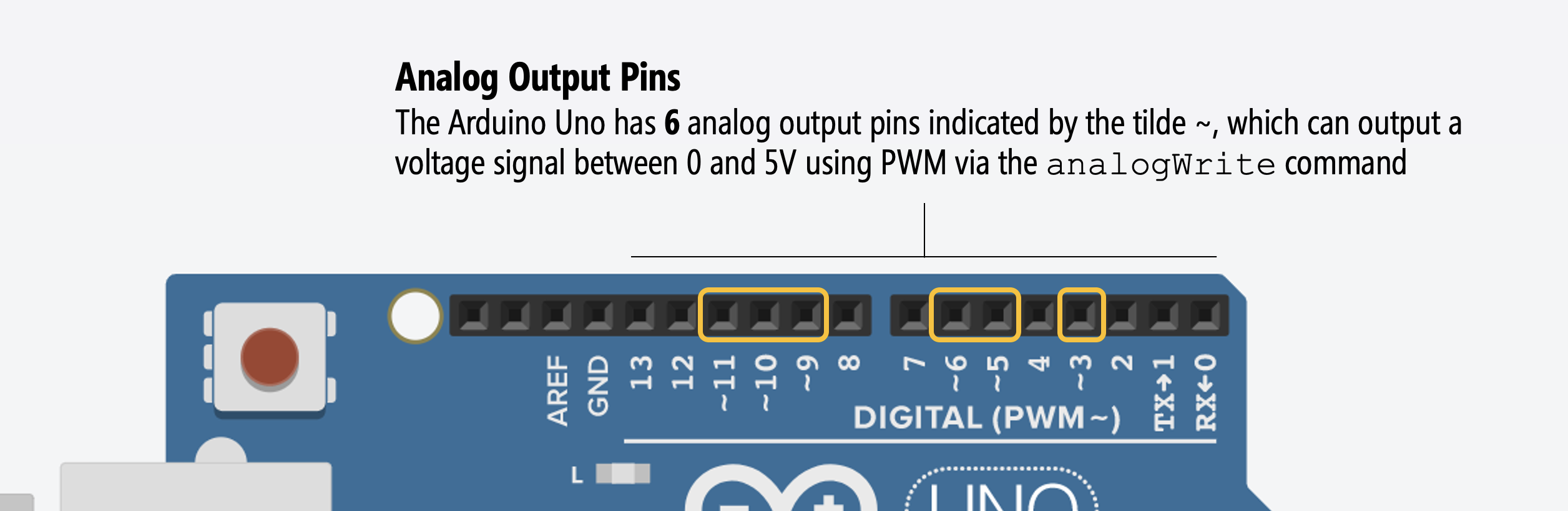 L4: Fading an LED - Physical Computing
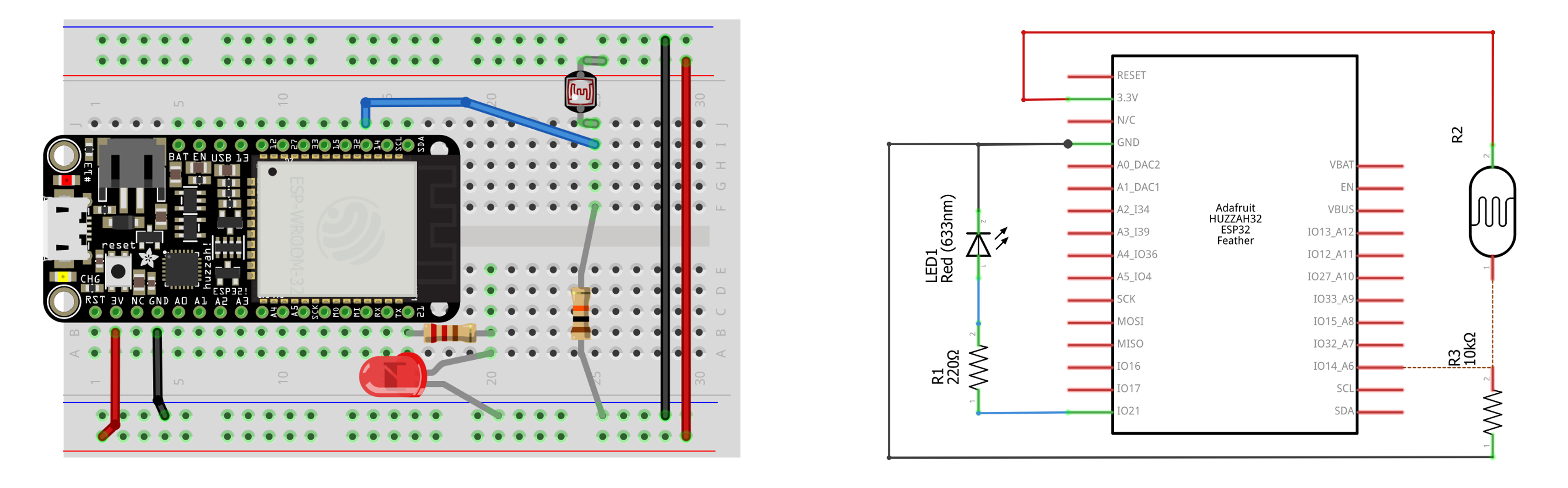 L7: Internet of Things - Physical Computing
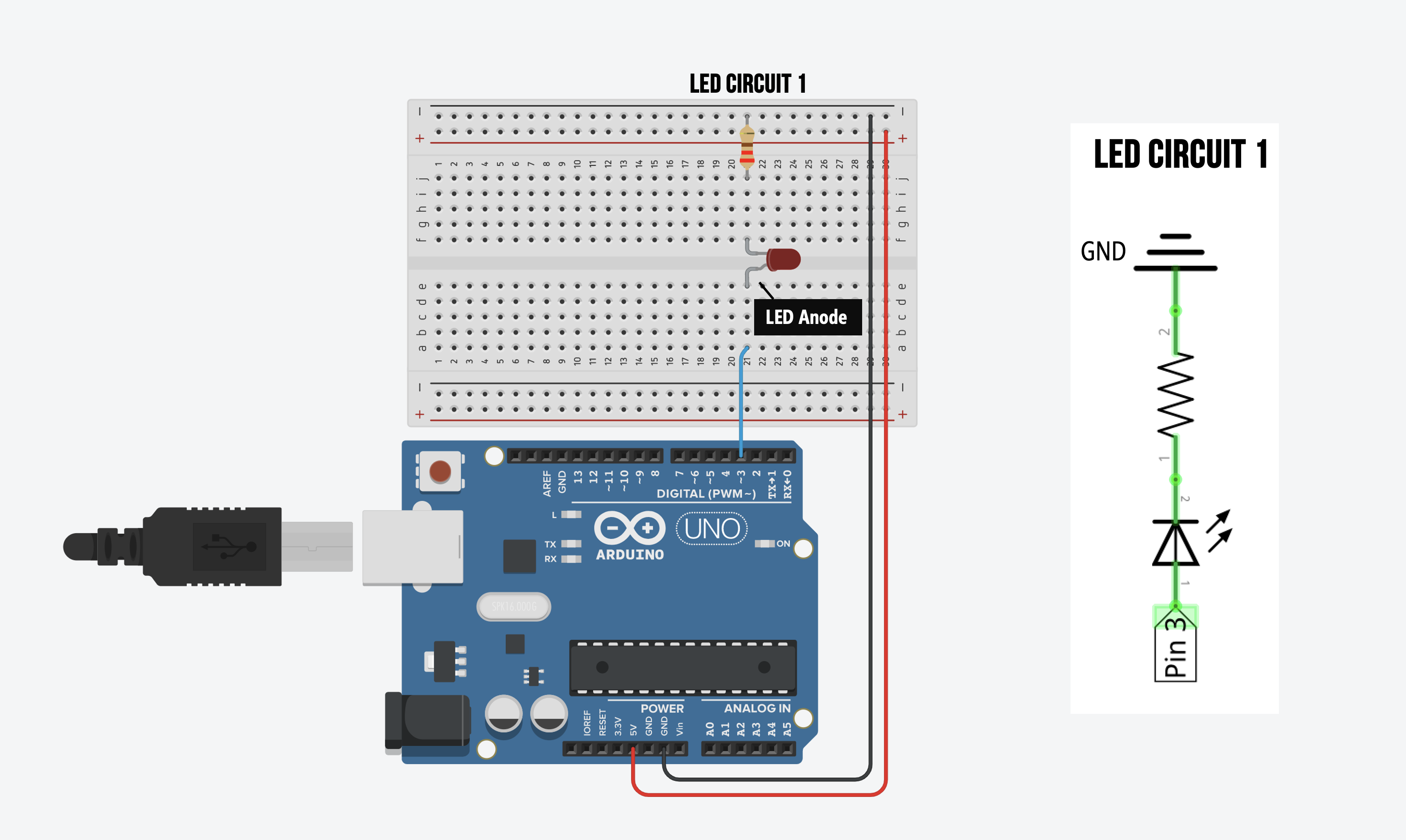 L5: Blinking Two LEDs - Physical Computing
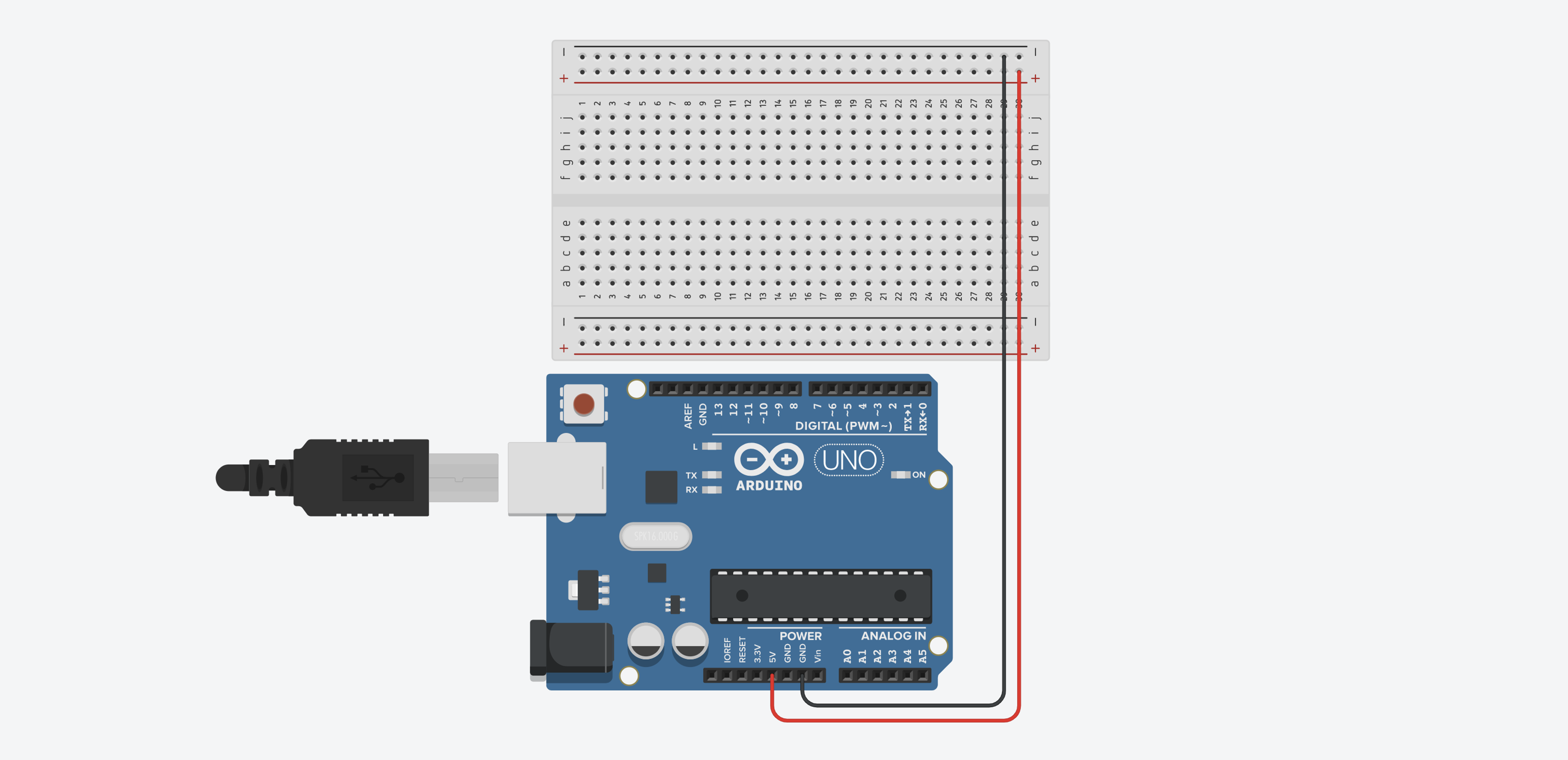 L5: Blinking Two LEDs - Physical Computing
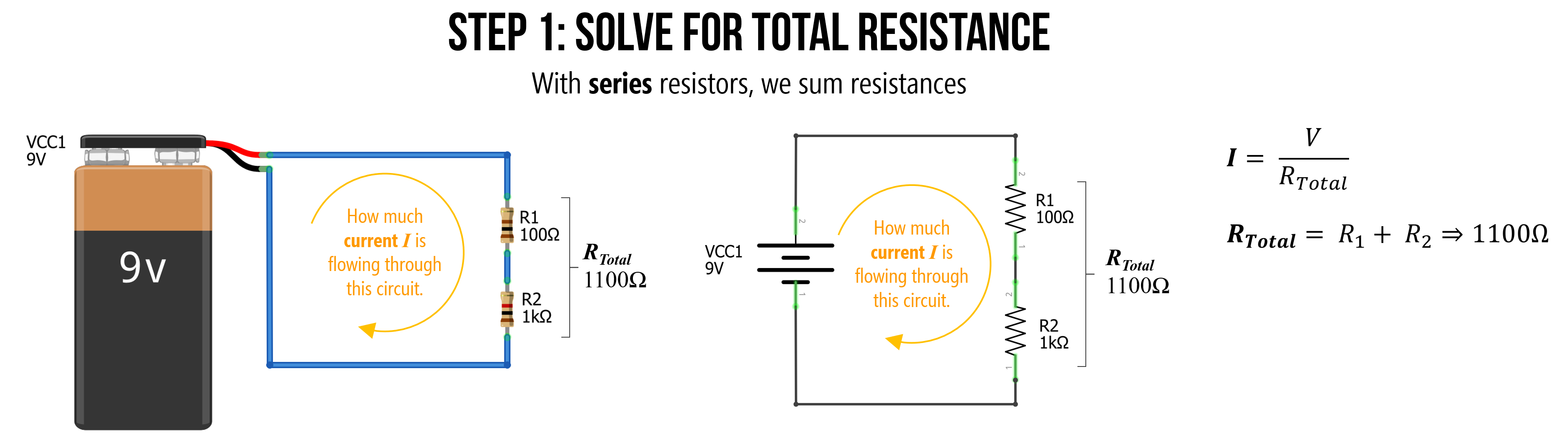 L4: Series and Parallel Resistors - Physical Computing
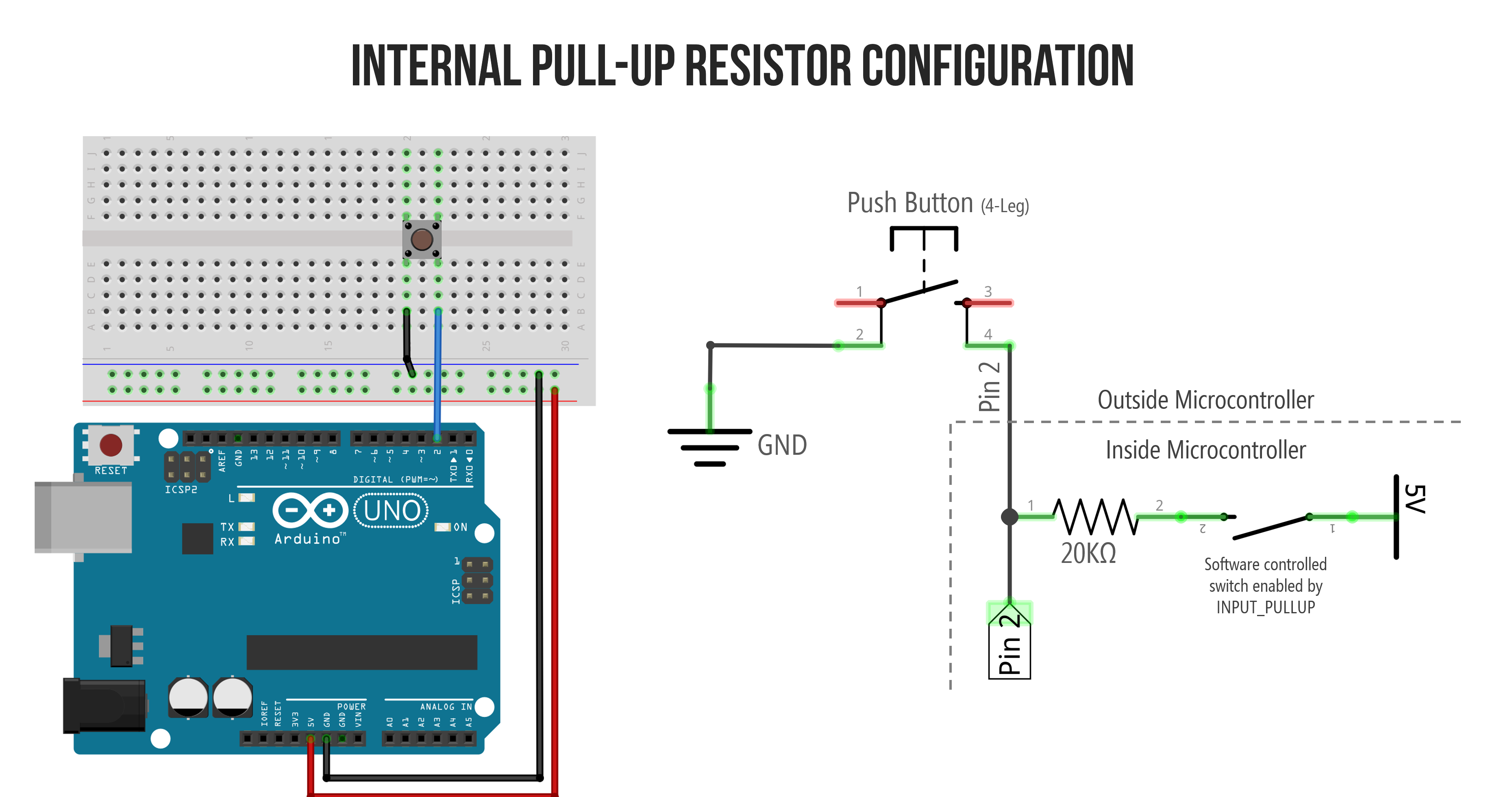 L1: Using buttons - Physical Computing
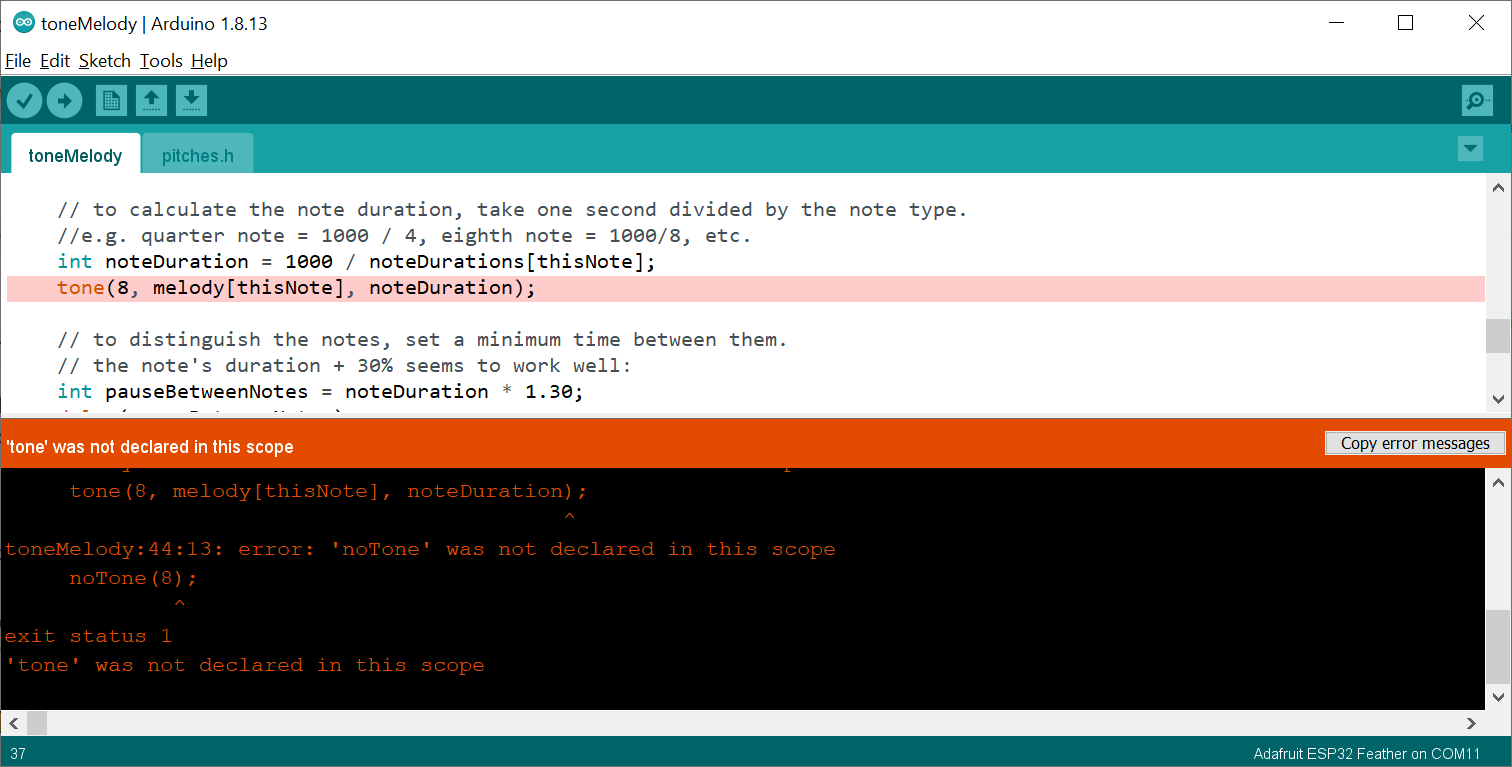 L5: Playing tones - Physical Computing
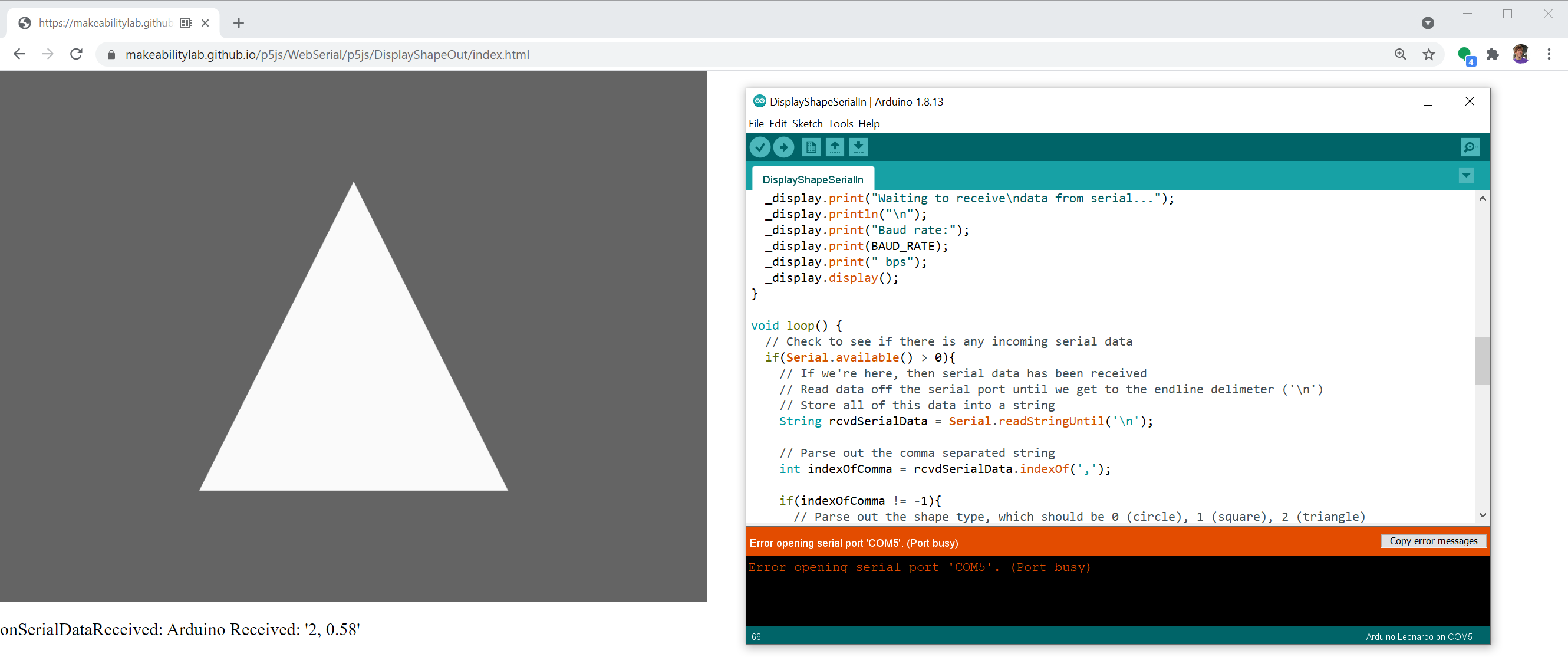 L4: p5.js Serial I/O - Physical Computing
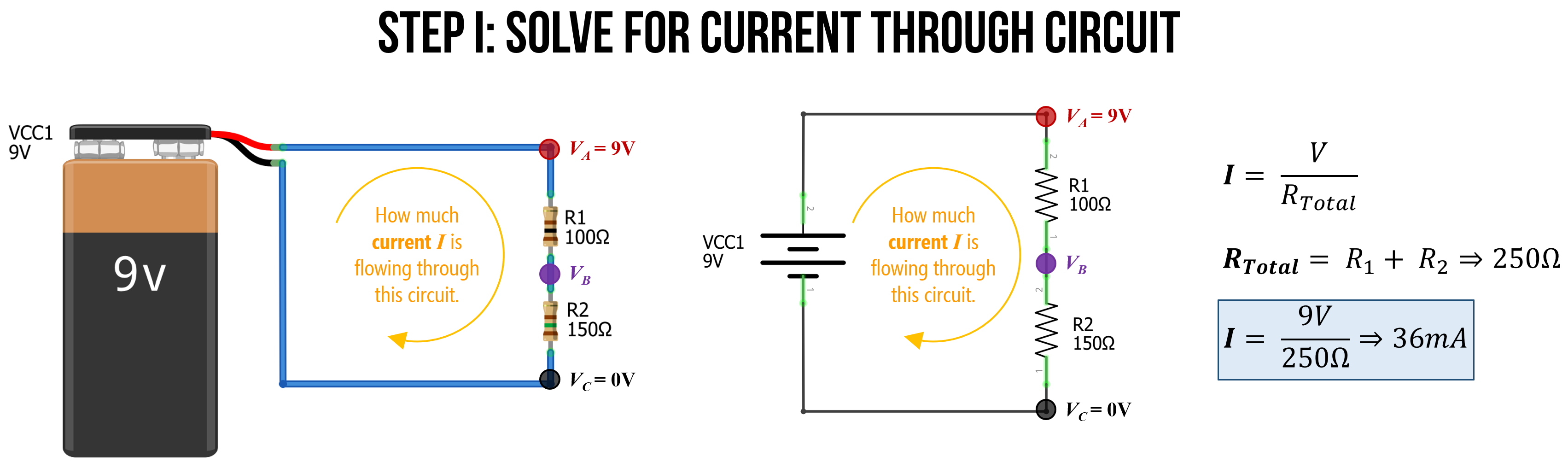 L4: Series and Parallel Resistors - Physical Computing
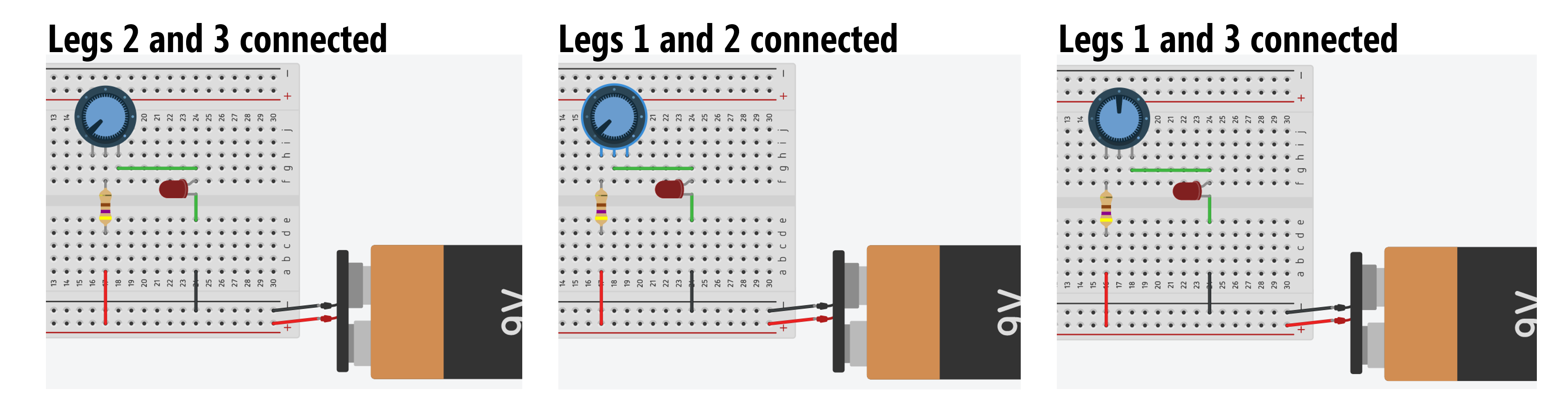 L4: Potentiometers - Physical Computing
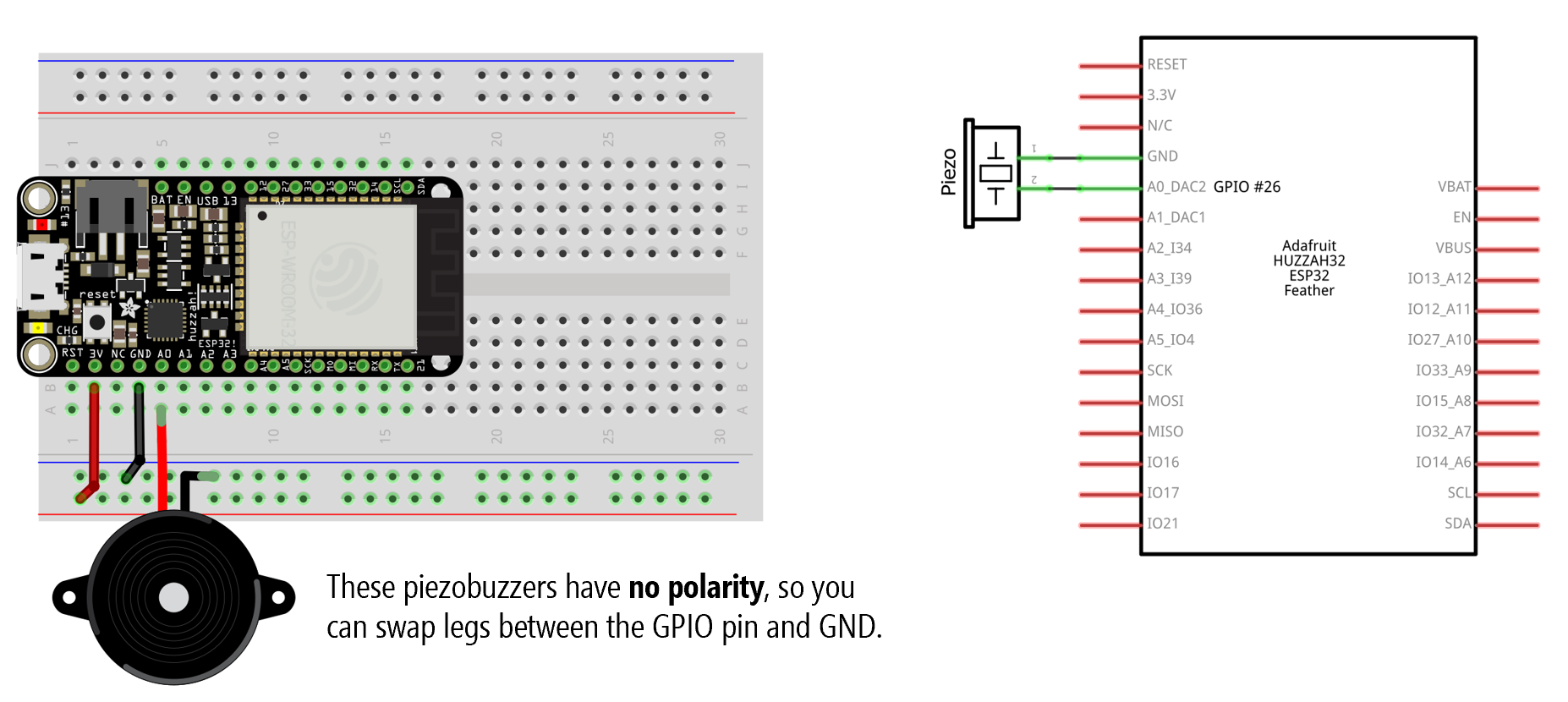 L5: Playing tones - Physical Computing
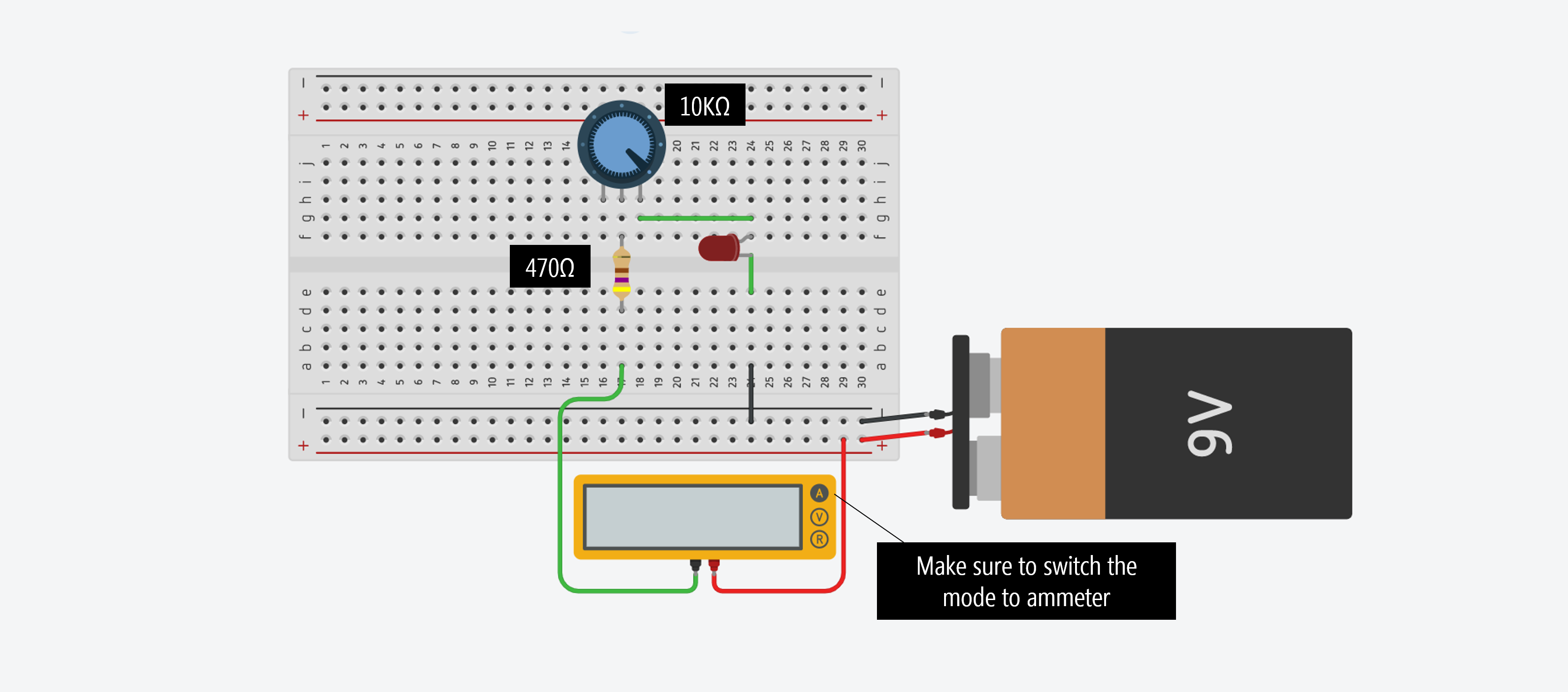 L4: Potentiometers - Physical Computing
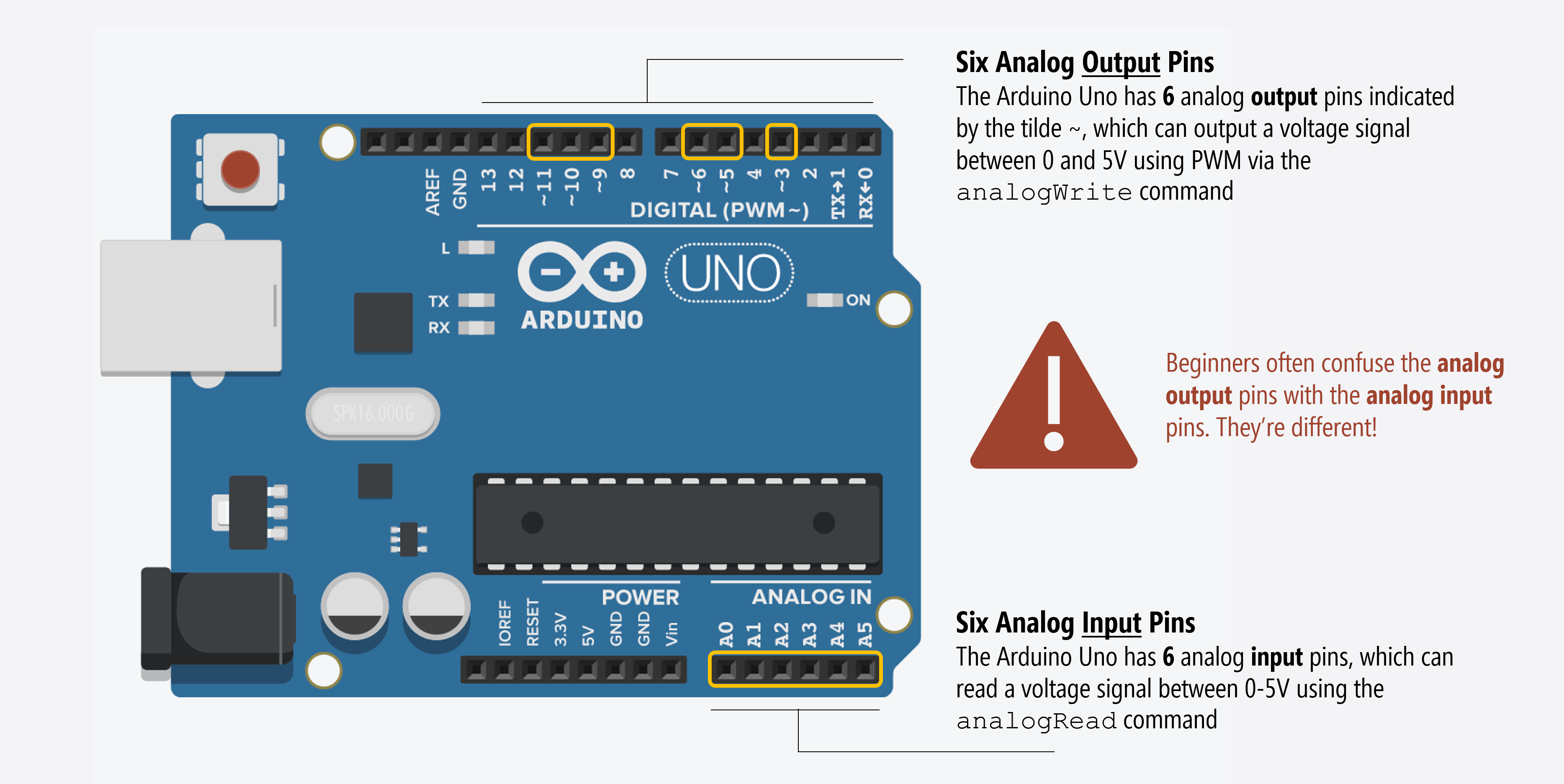 L4: Potentiometers - Physical Computing
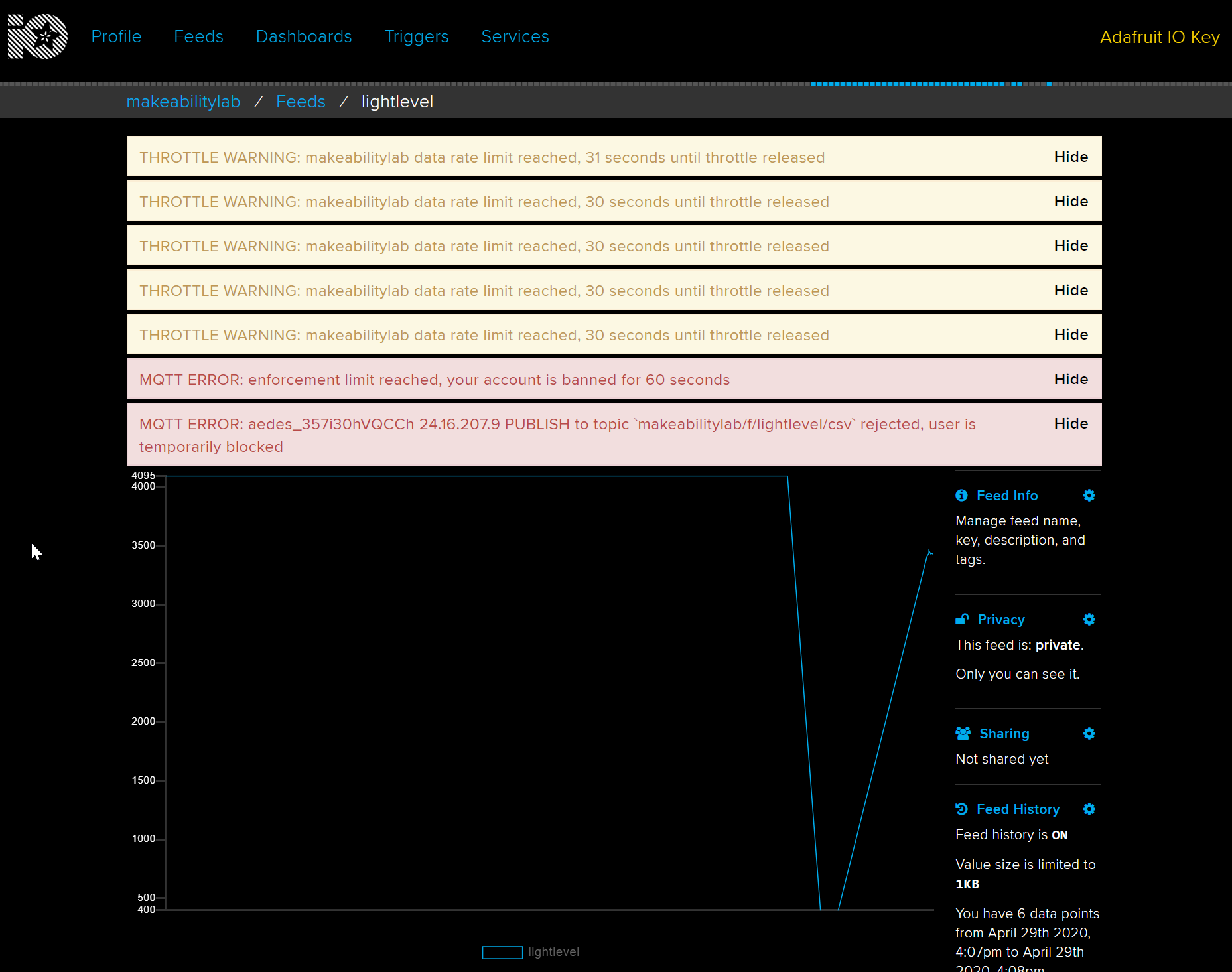 L7: Internet of Things - Physical Computing
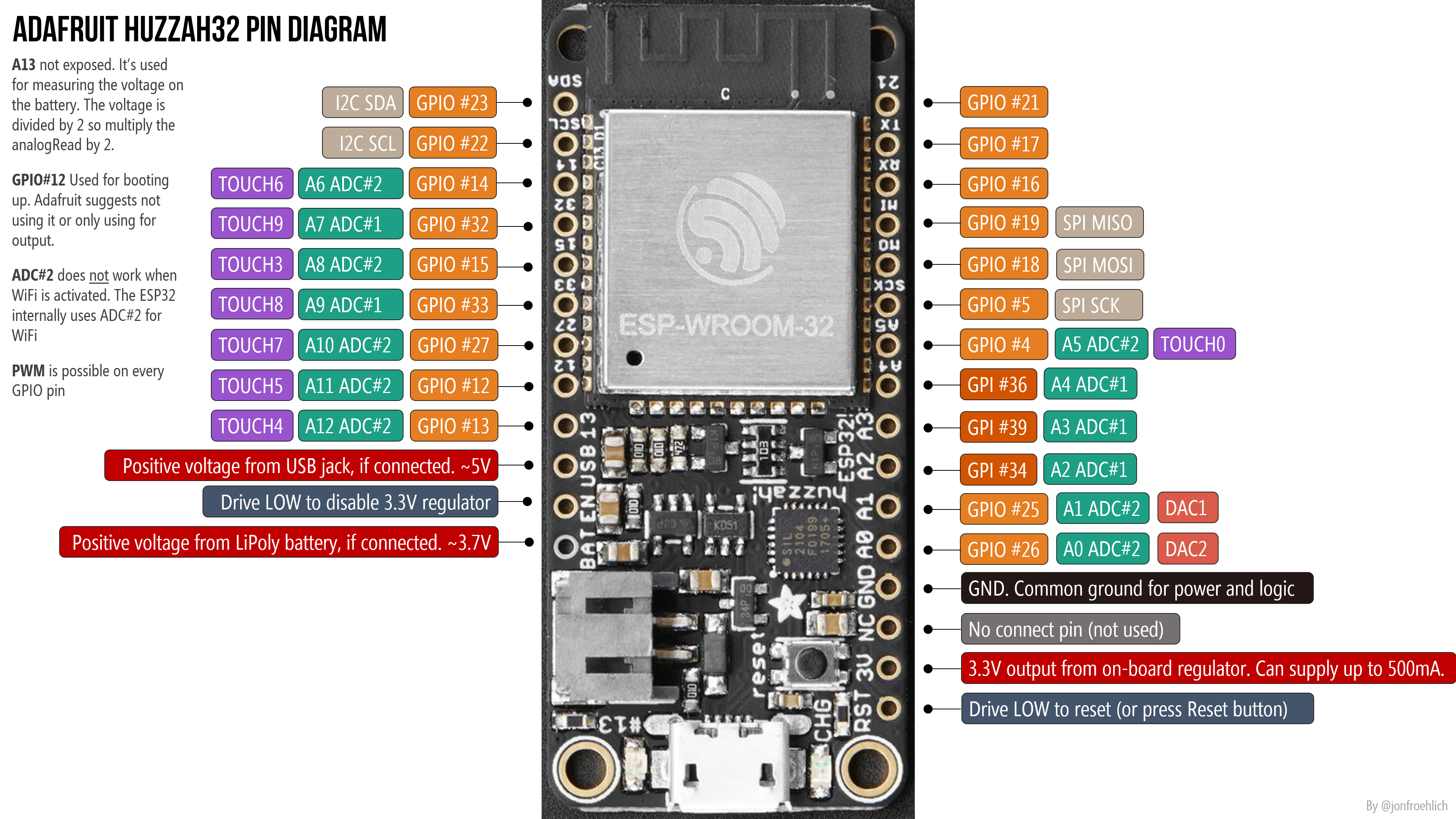 L4: Analog input - Physical Computing
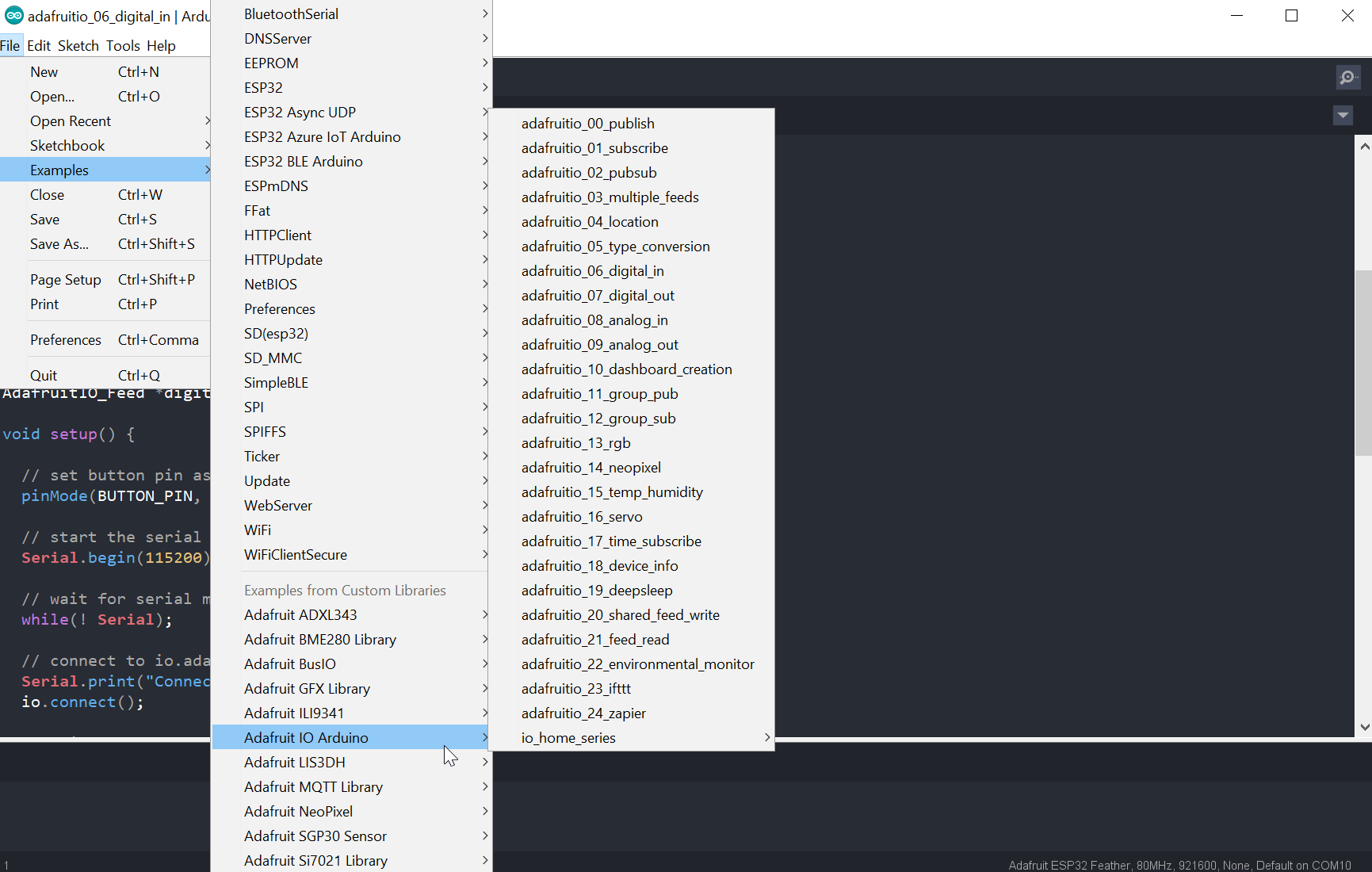 L7: Internet of Things - Physical Computing
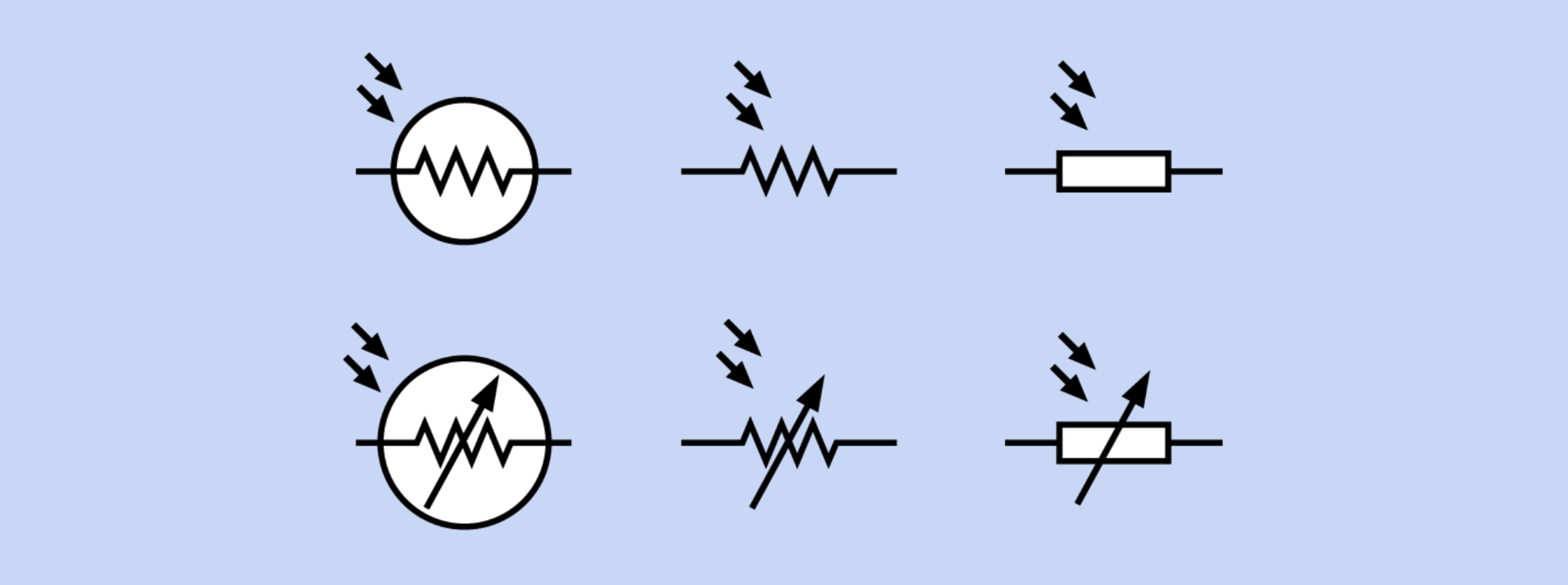 Photoresistors - Physical Computing
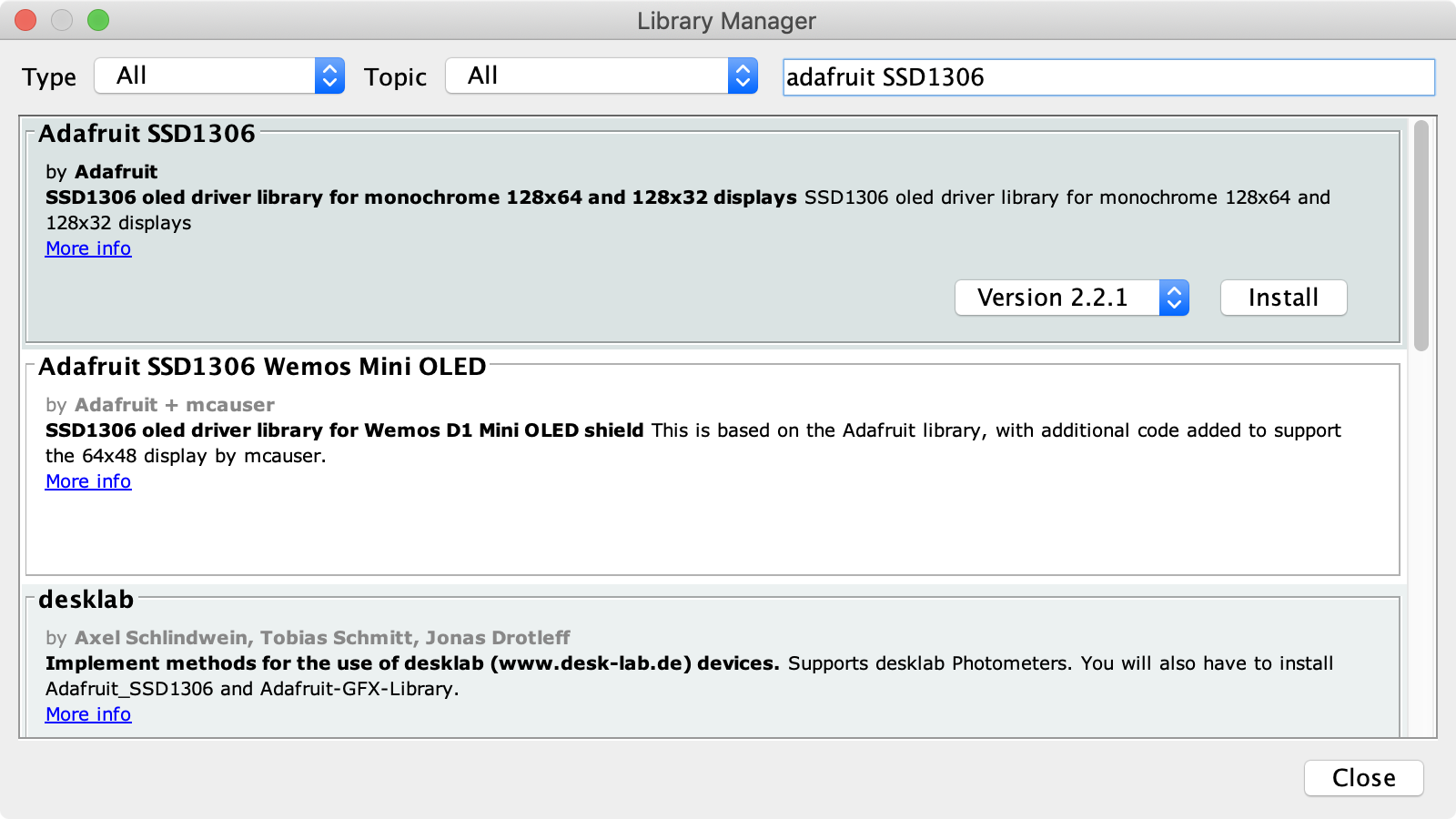 L1: Turning on an OLED - Physical Computing
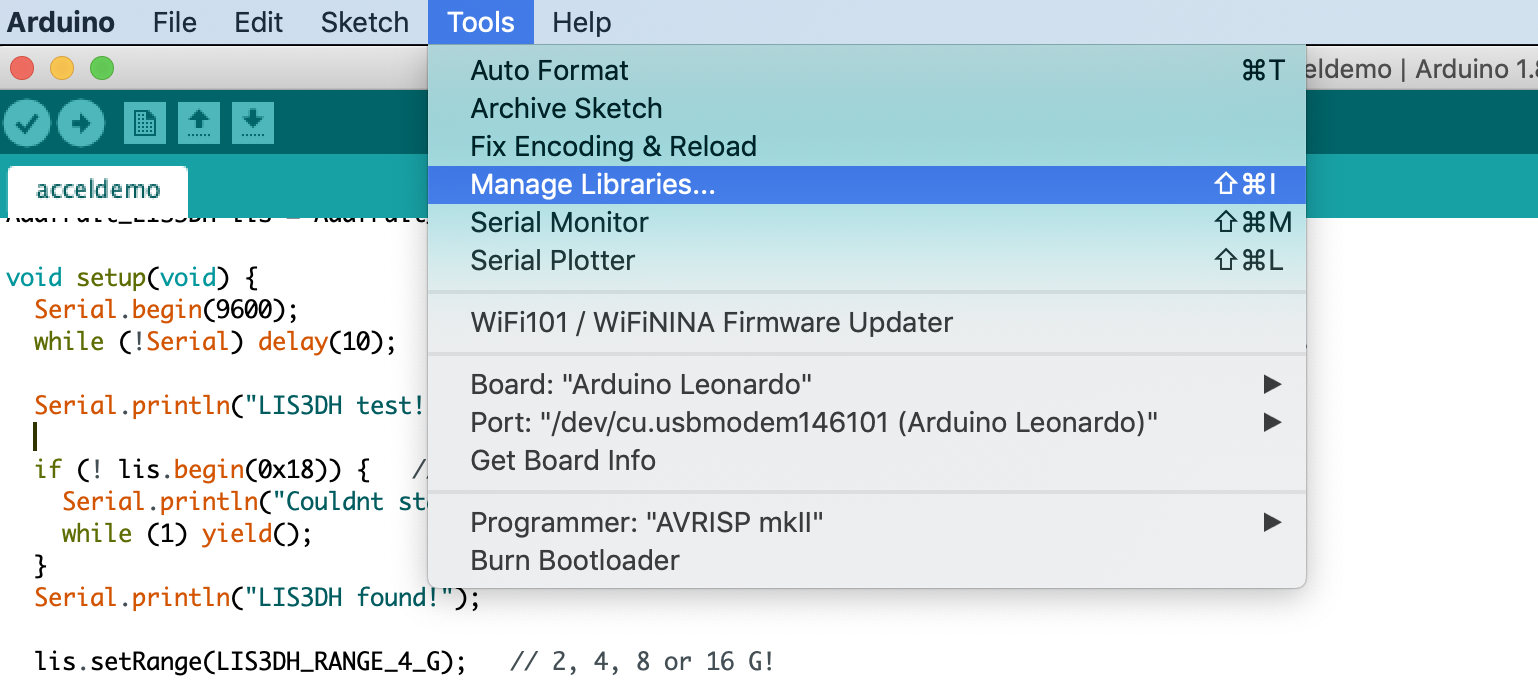 L1: Turning on an OLED - Physical Computing
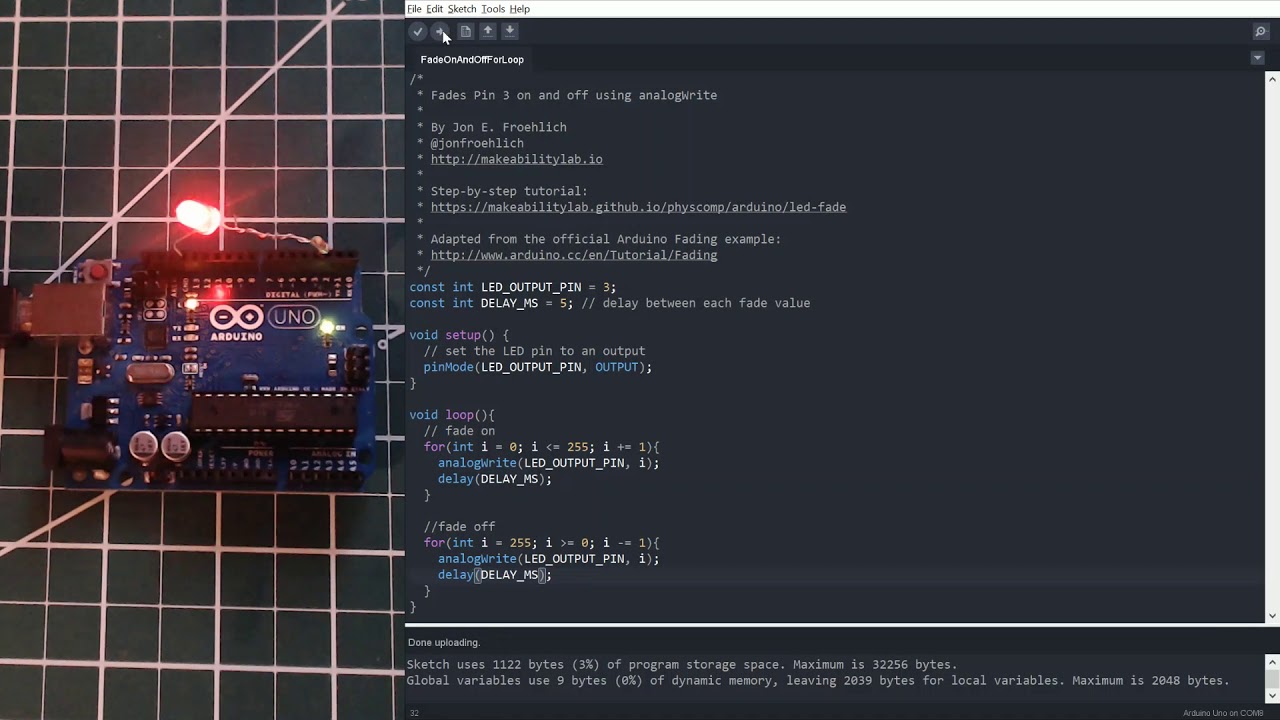 L4: Fading an LED - Physical Computing
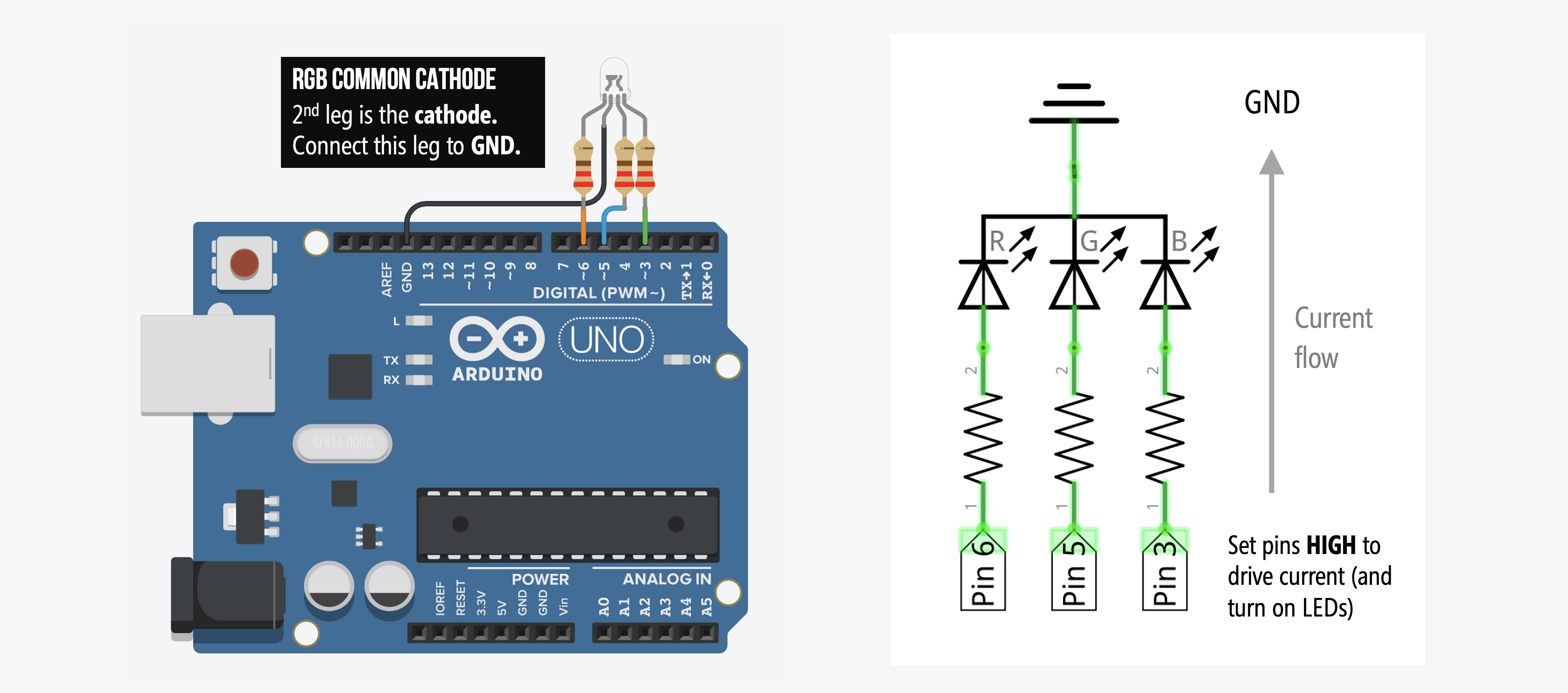 L6: RGB LEDs - Physical Computing
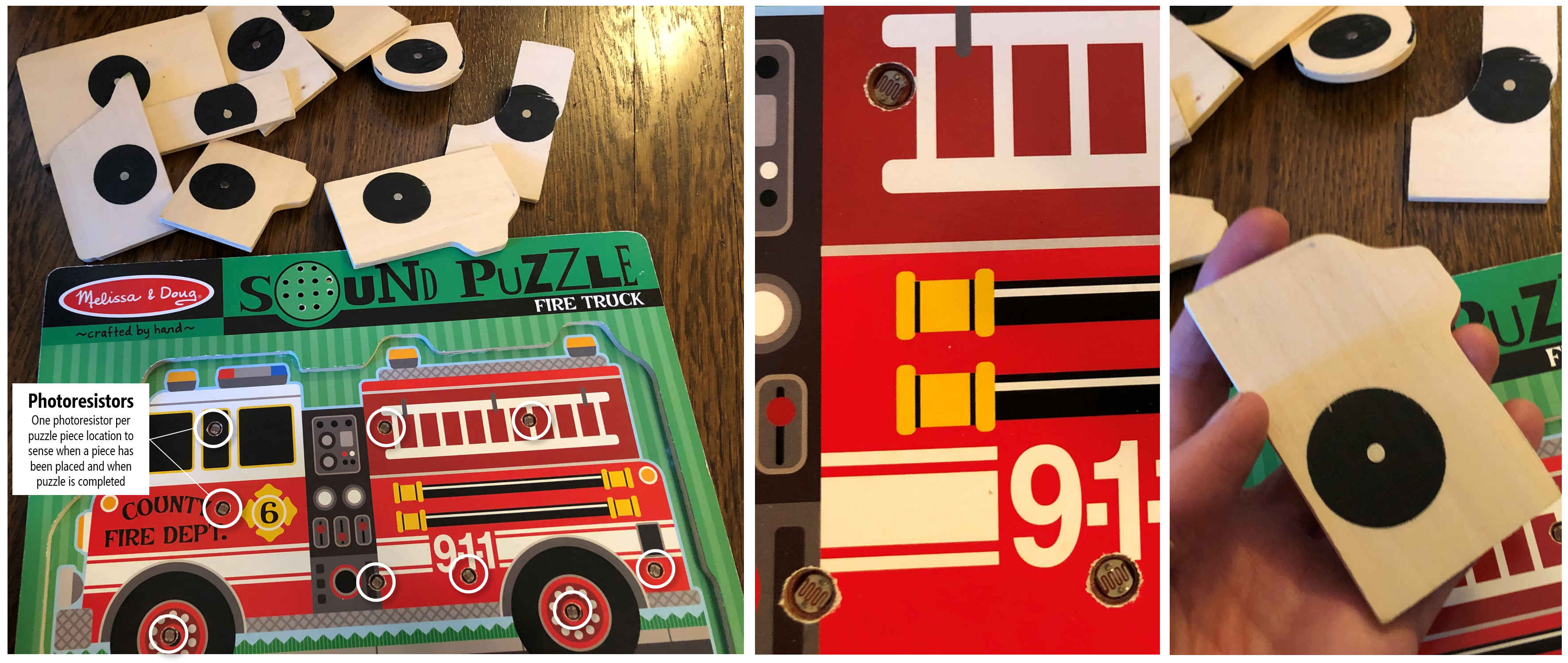 Photoresistors - Physical Computing
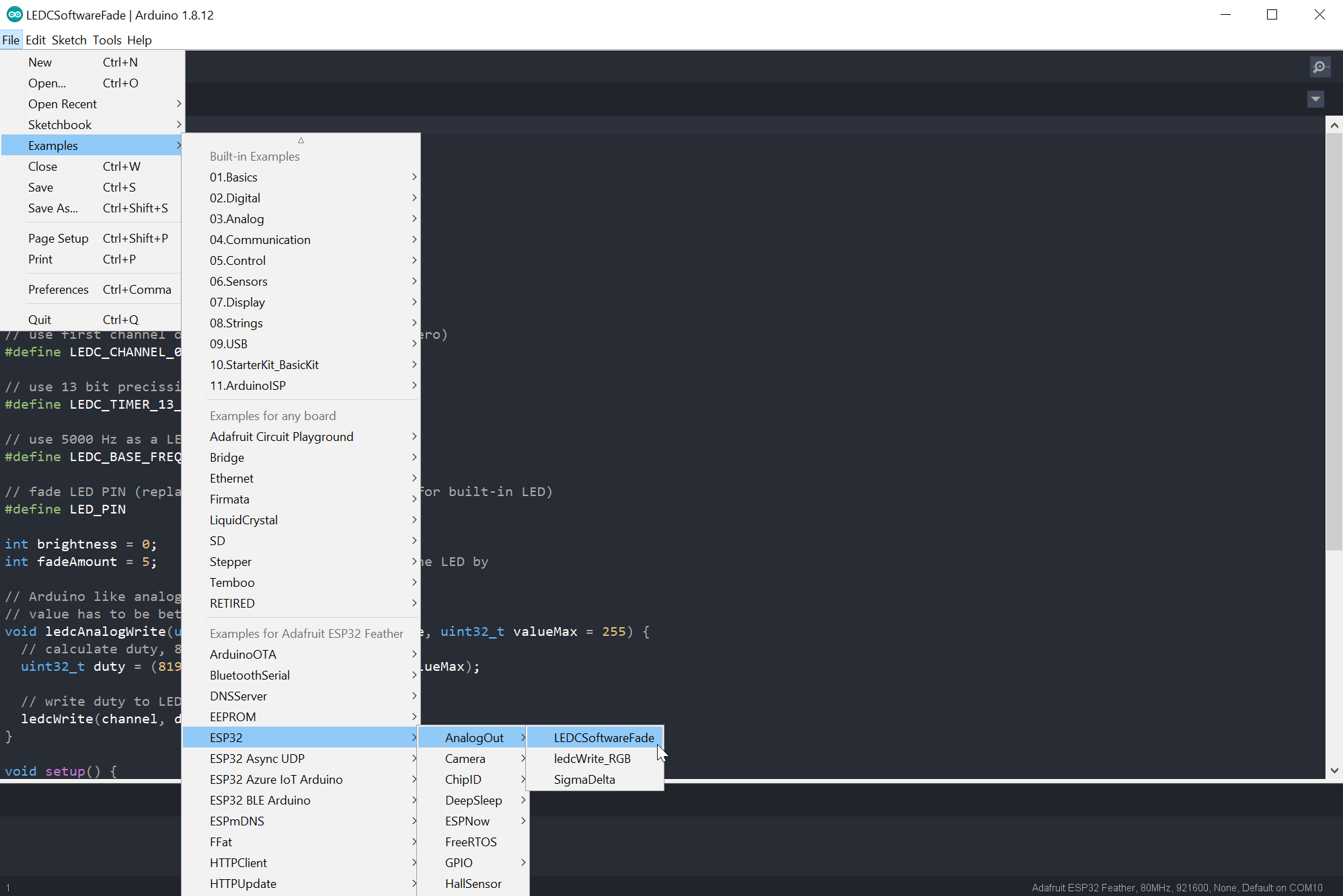 L3: Fading an LED with PWM - Physical Computing
 L5: Blinking Two LEDs - Physical Computing
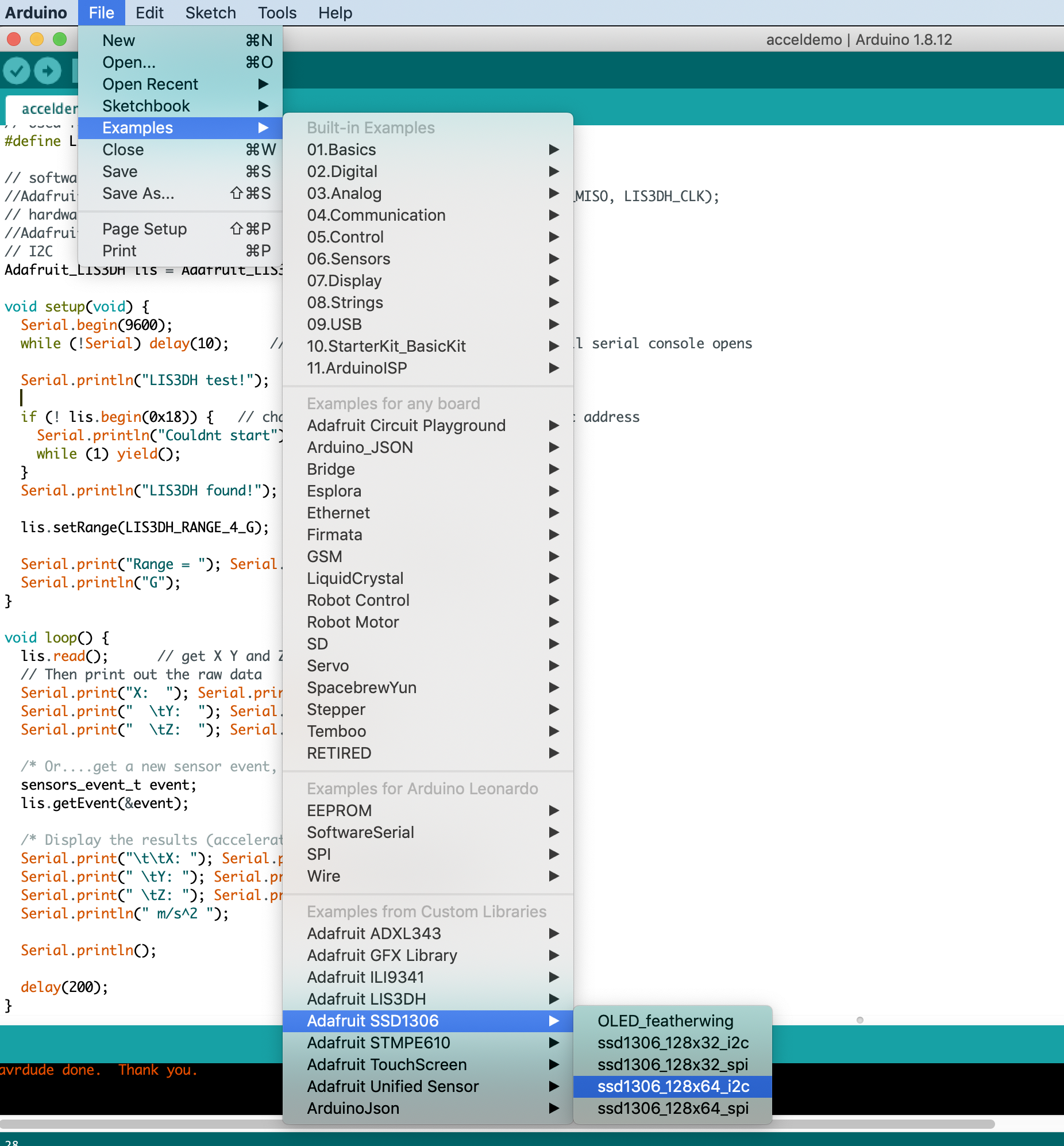 L1: Turning on an OLED - Physical Computing
 PWM graph needs to be updated · Issue #11 · makeabilitylab/physcomp · GitHub
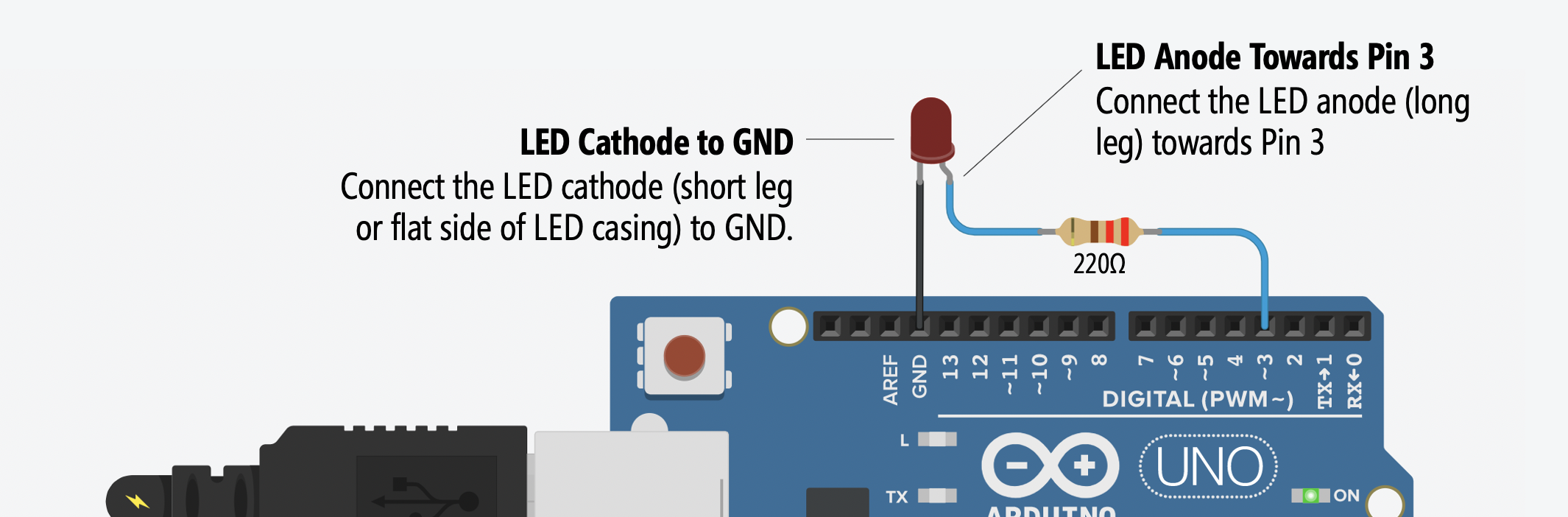 L4: Fading an LED - Physical Computing
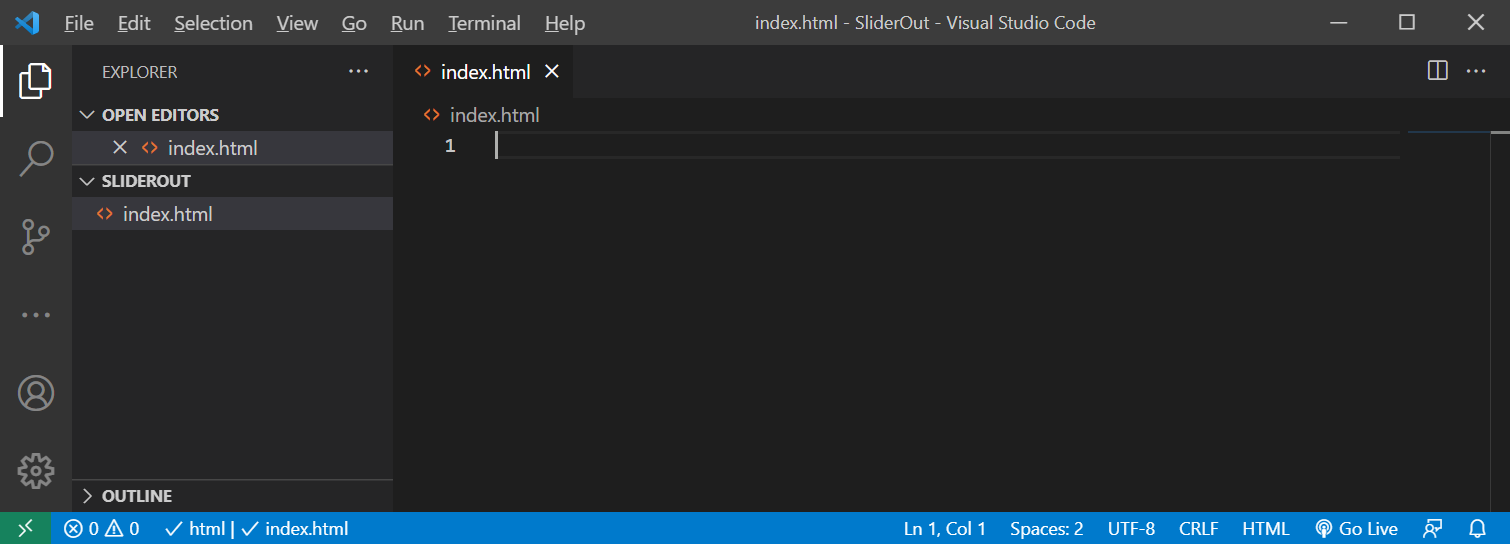 L2: Web Serial - Physical Computing
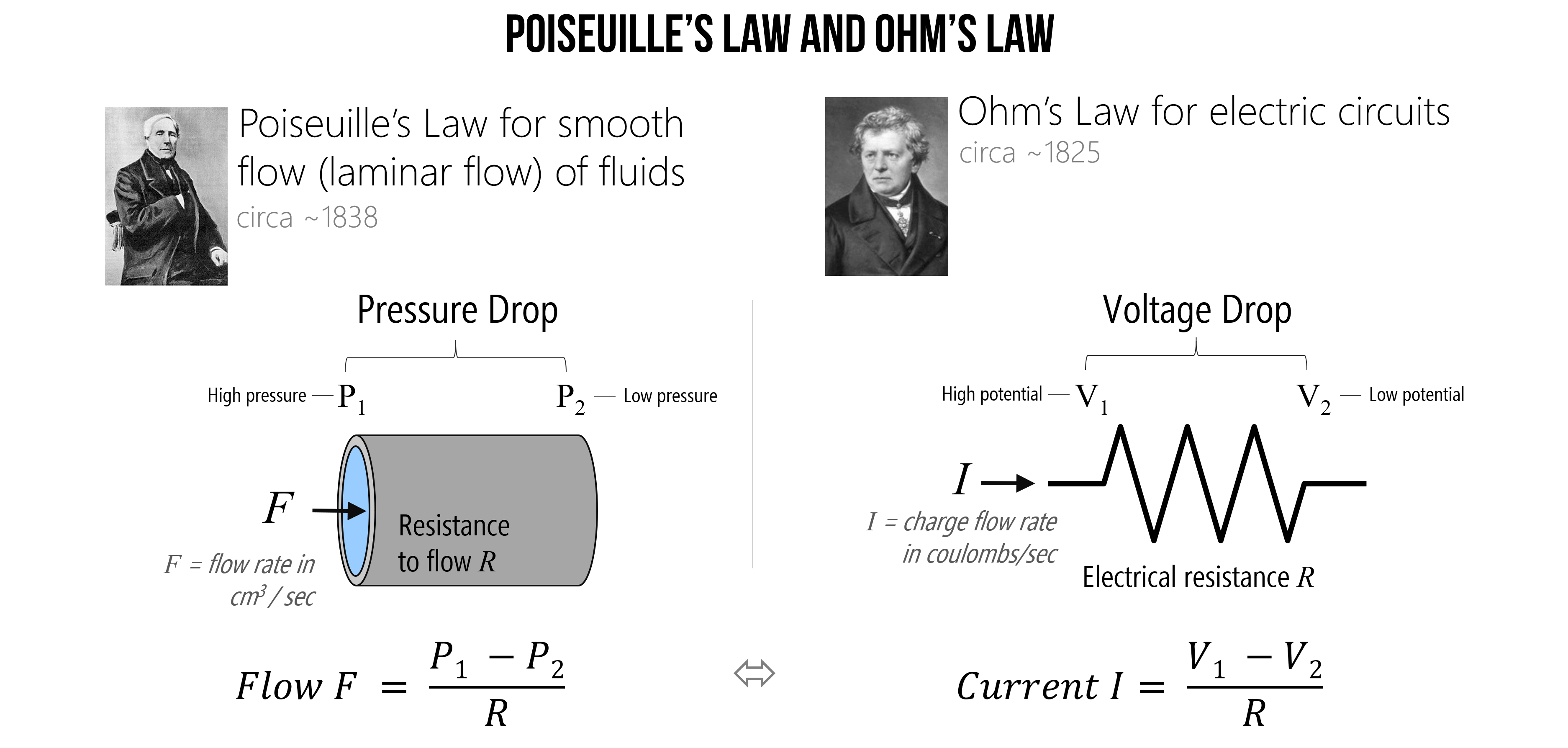 L3: Ohm's Law - Physical Computing
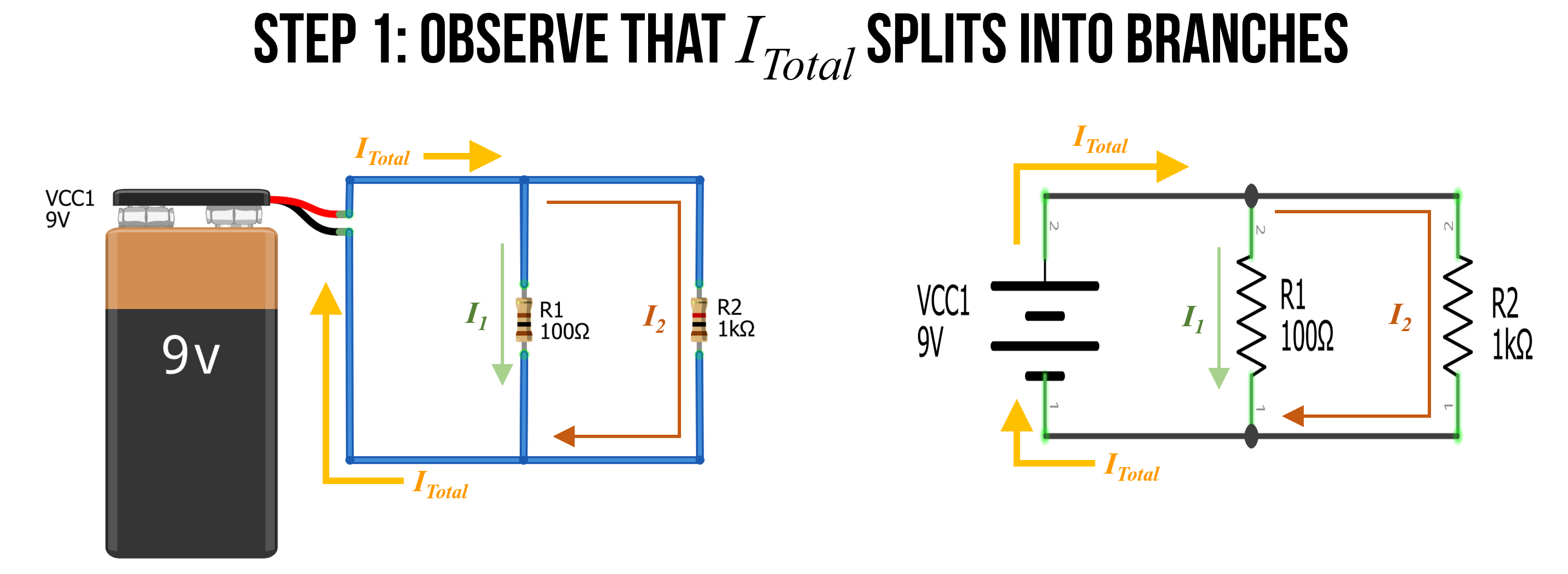 L4: Series and Parallel Resistors - Physical Computing
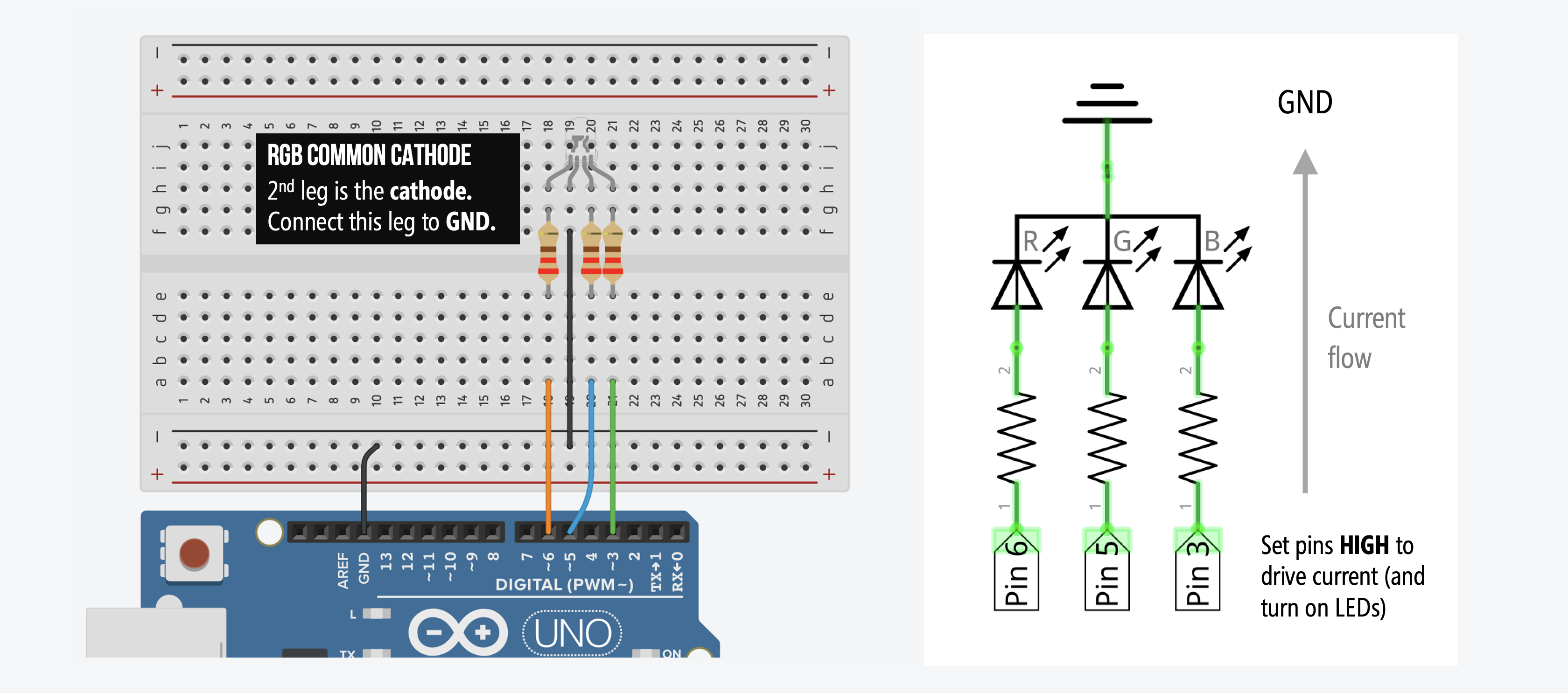 L6: RGB LEDs - Physical Computing
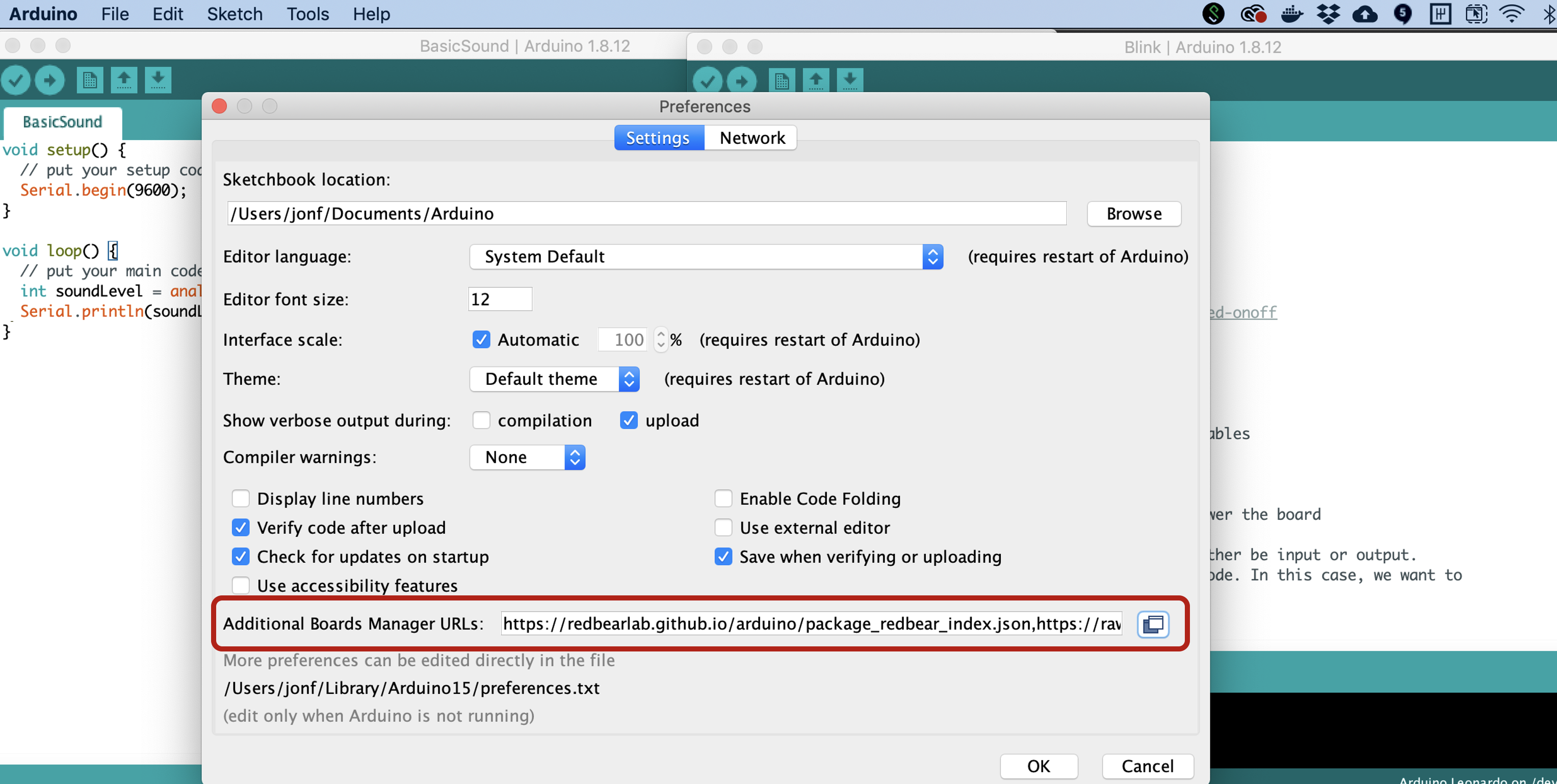 L1: Intro to the ESP32 - Physical Computing
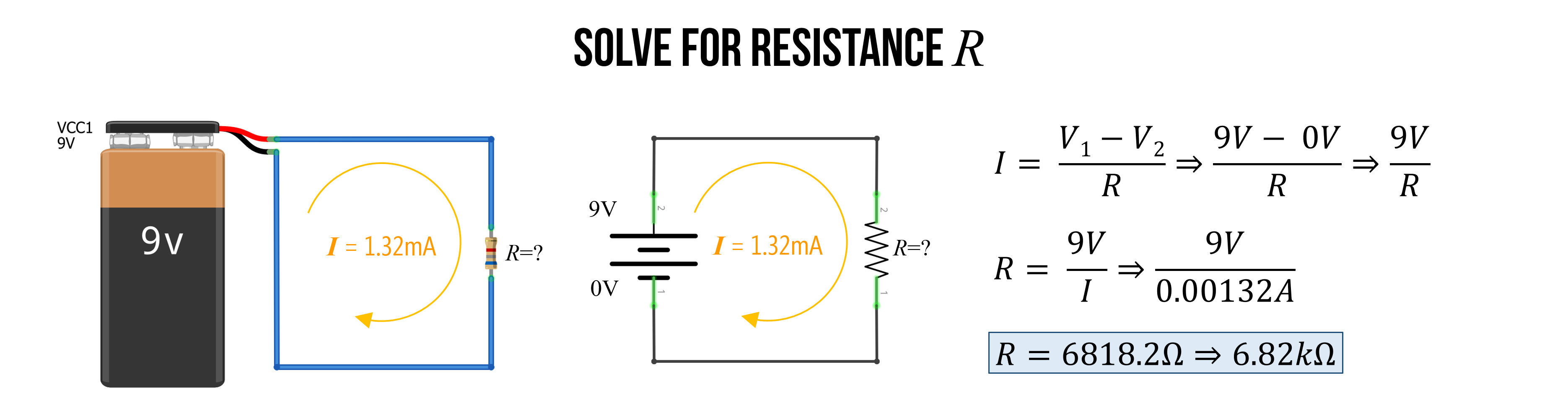 L3: Ohm's Law - Physical Computing
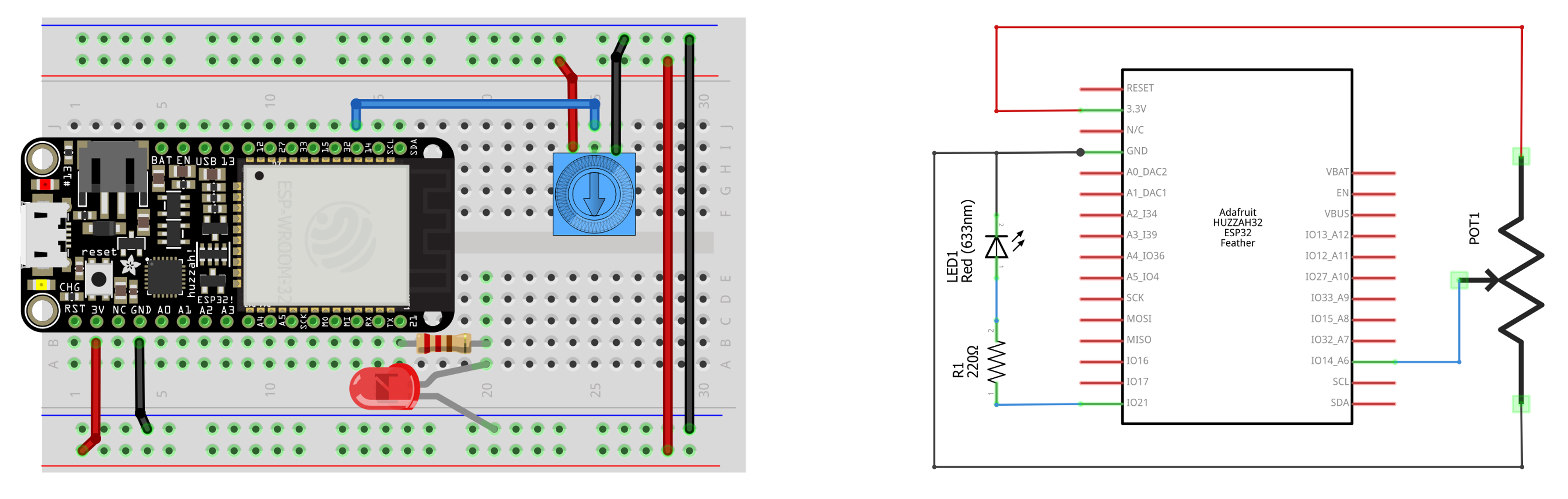
 L1: Intro to the ESP32 - Physical Computing
 L4: Analog input - Physical Computing
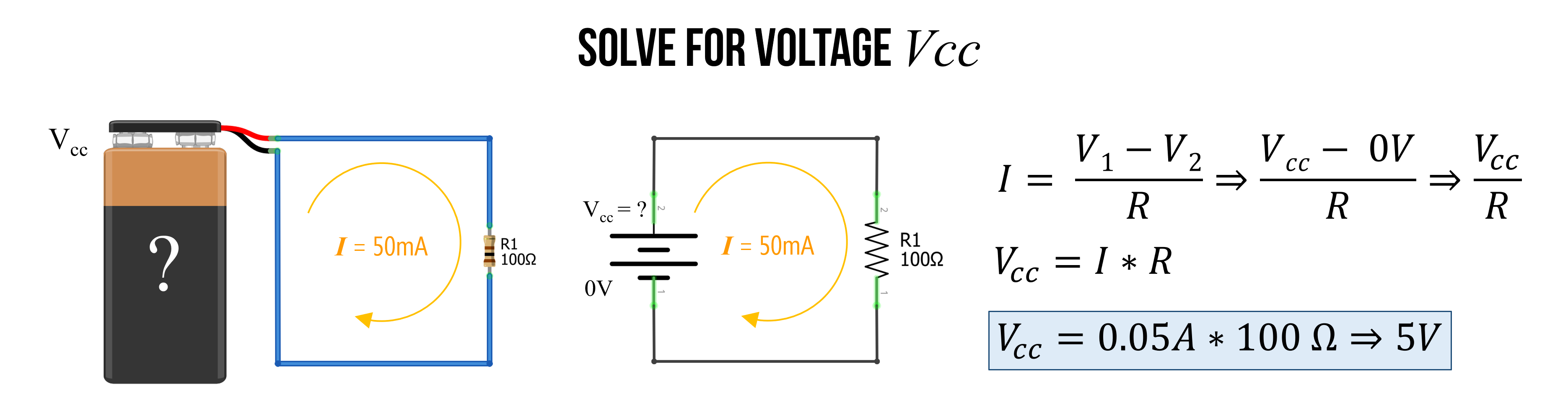 L3: Ohm's Law - Physical Computing
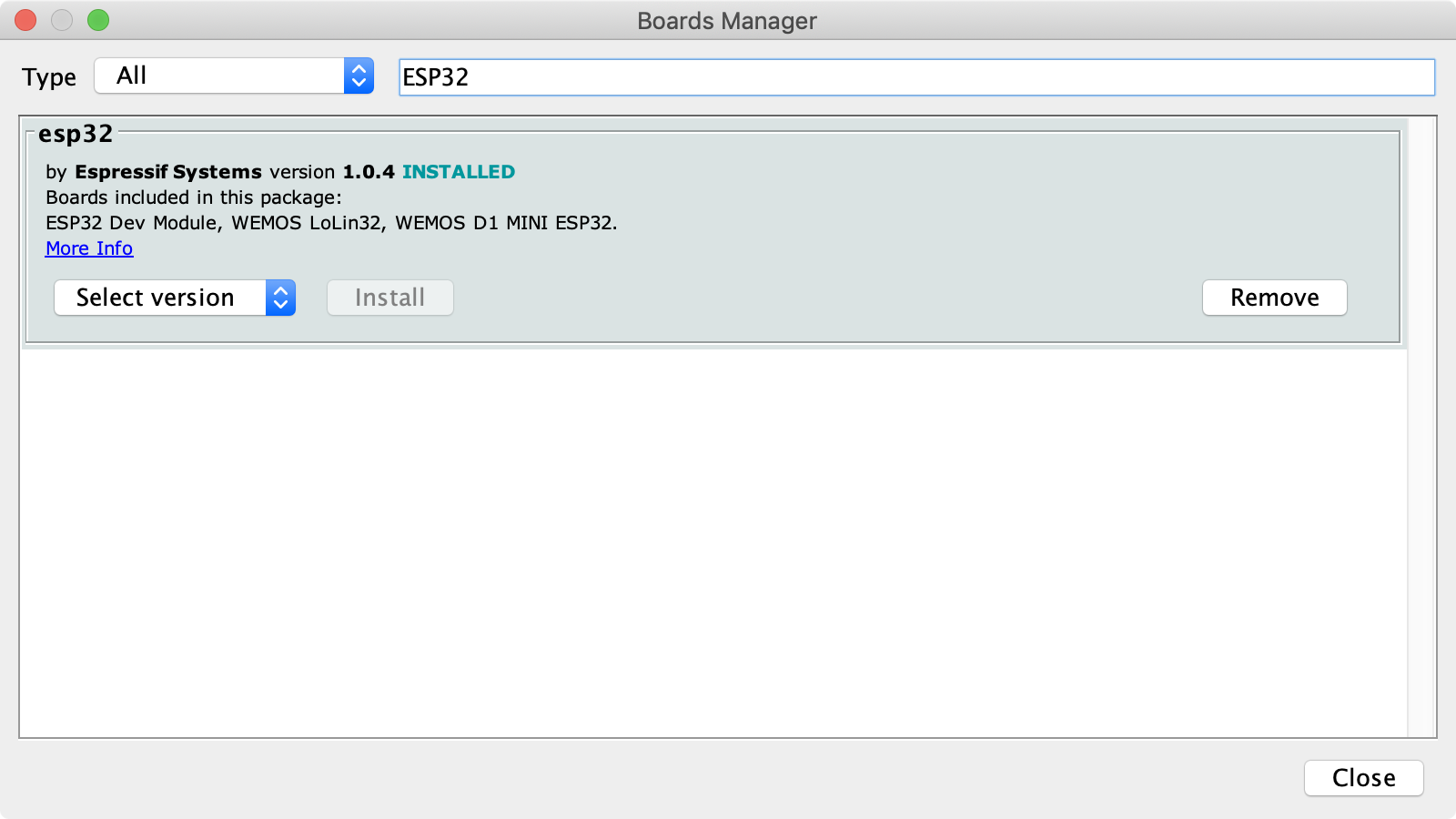 L1: Intro to the ESP32 - Physical Computing
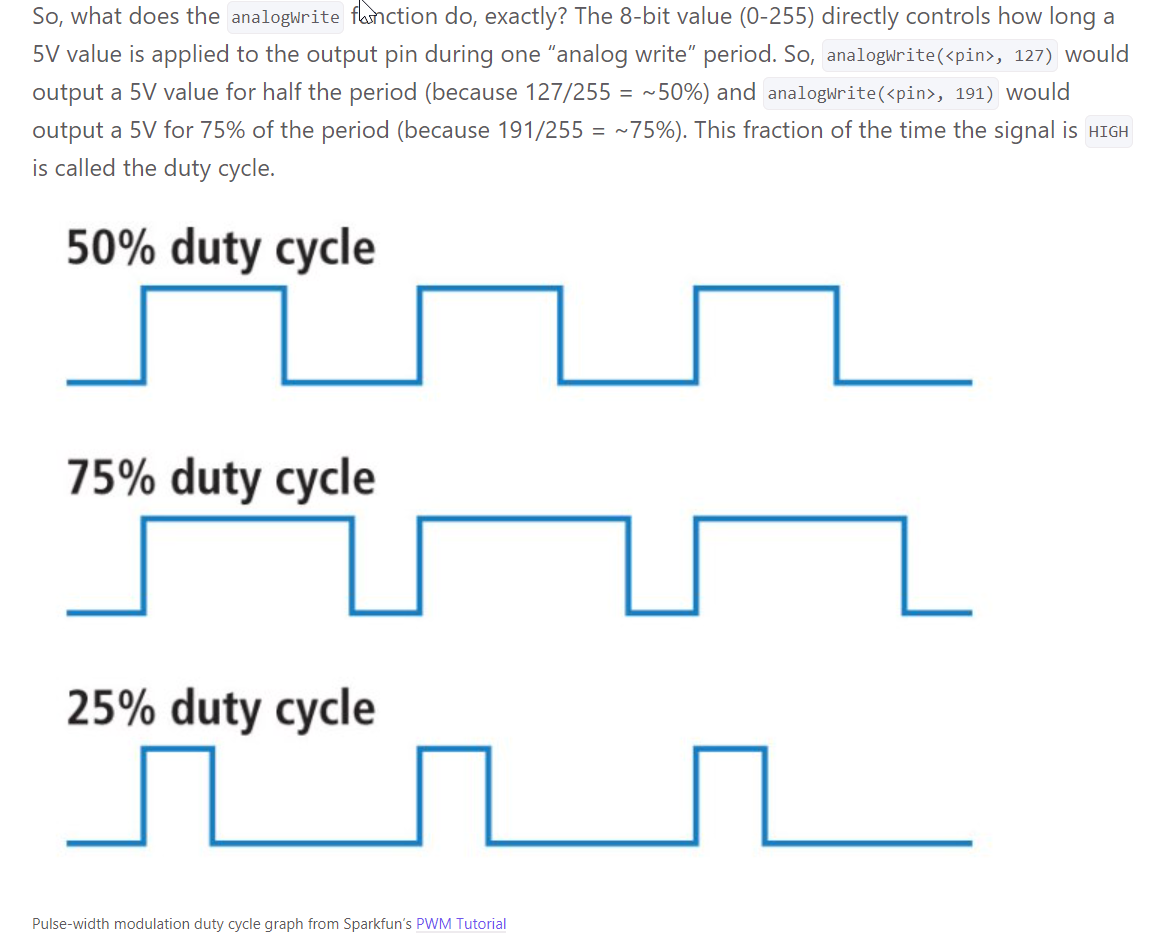 PWM graph needs to be updated · Issue #11 · makeabilitylab/physcomp · GitHub
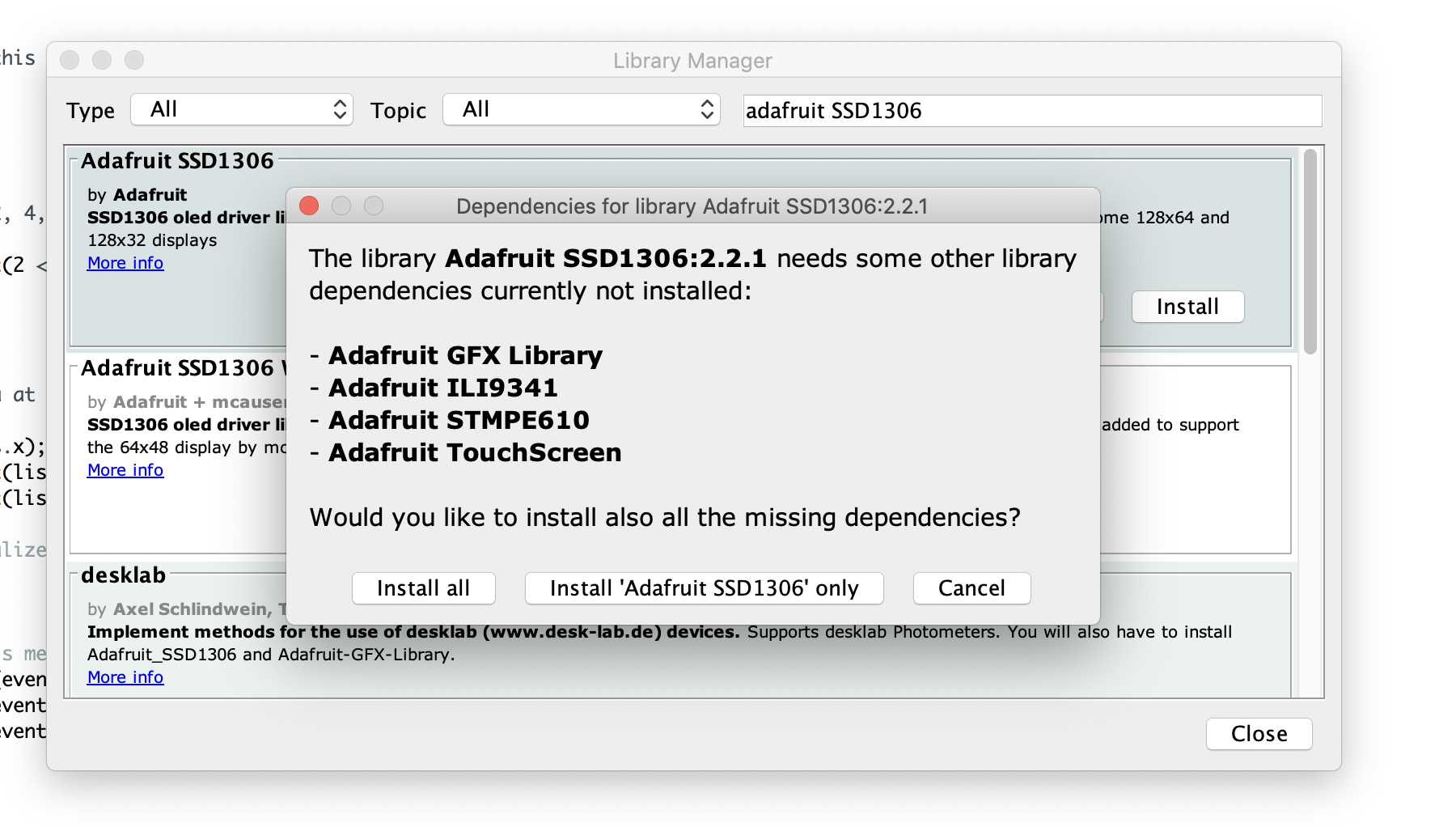 L1: Turning on an OLED - Physical Computing
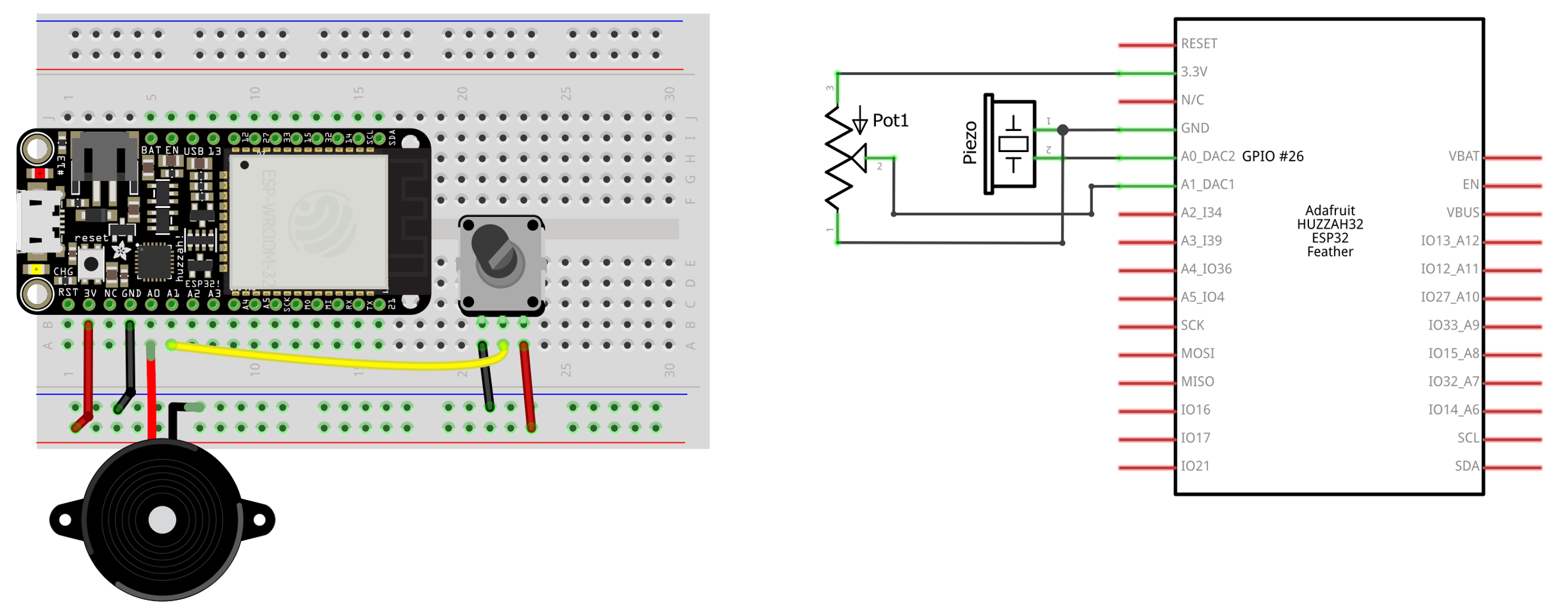 L5: Playing tones - Physical Computing
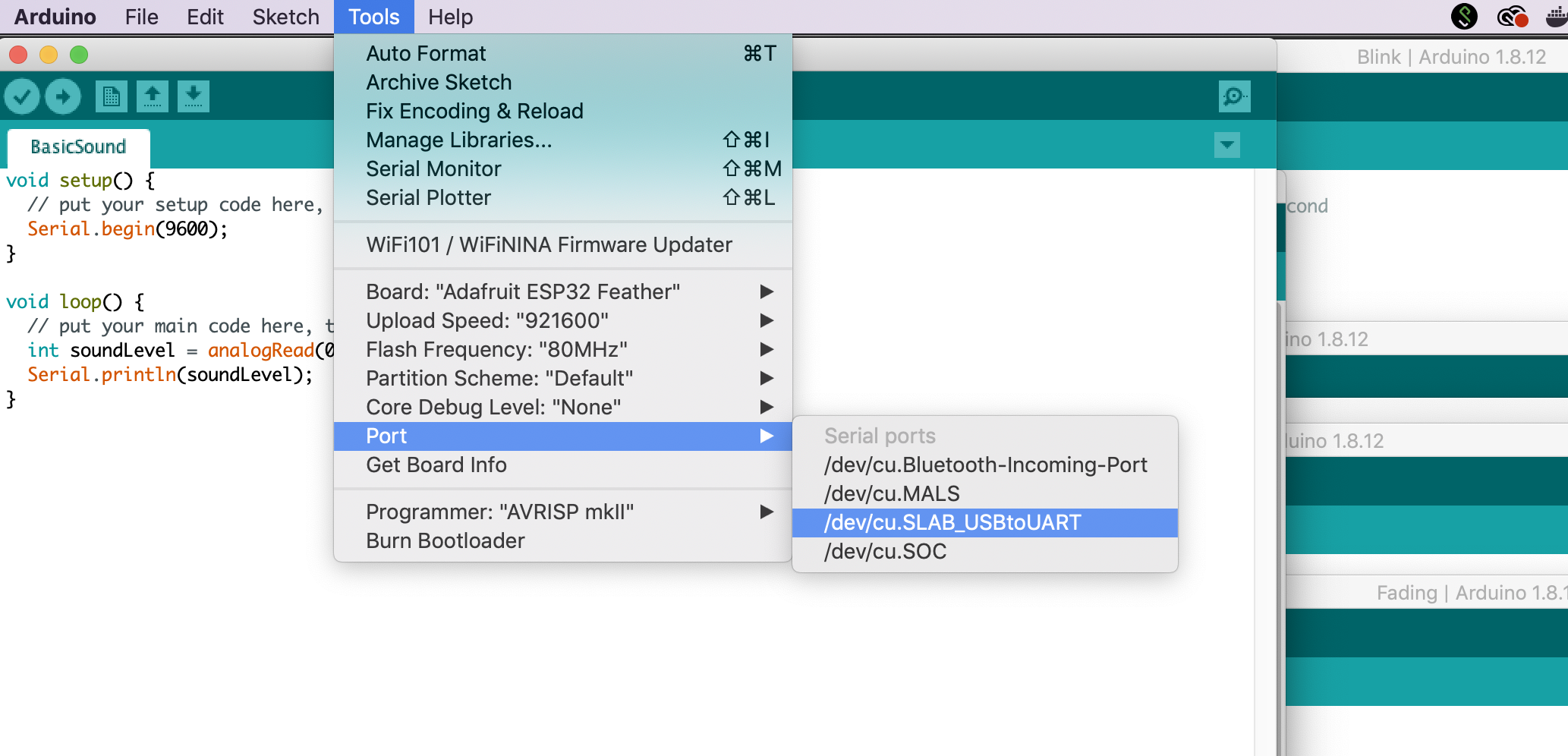
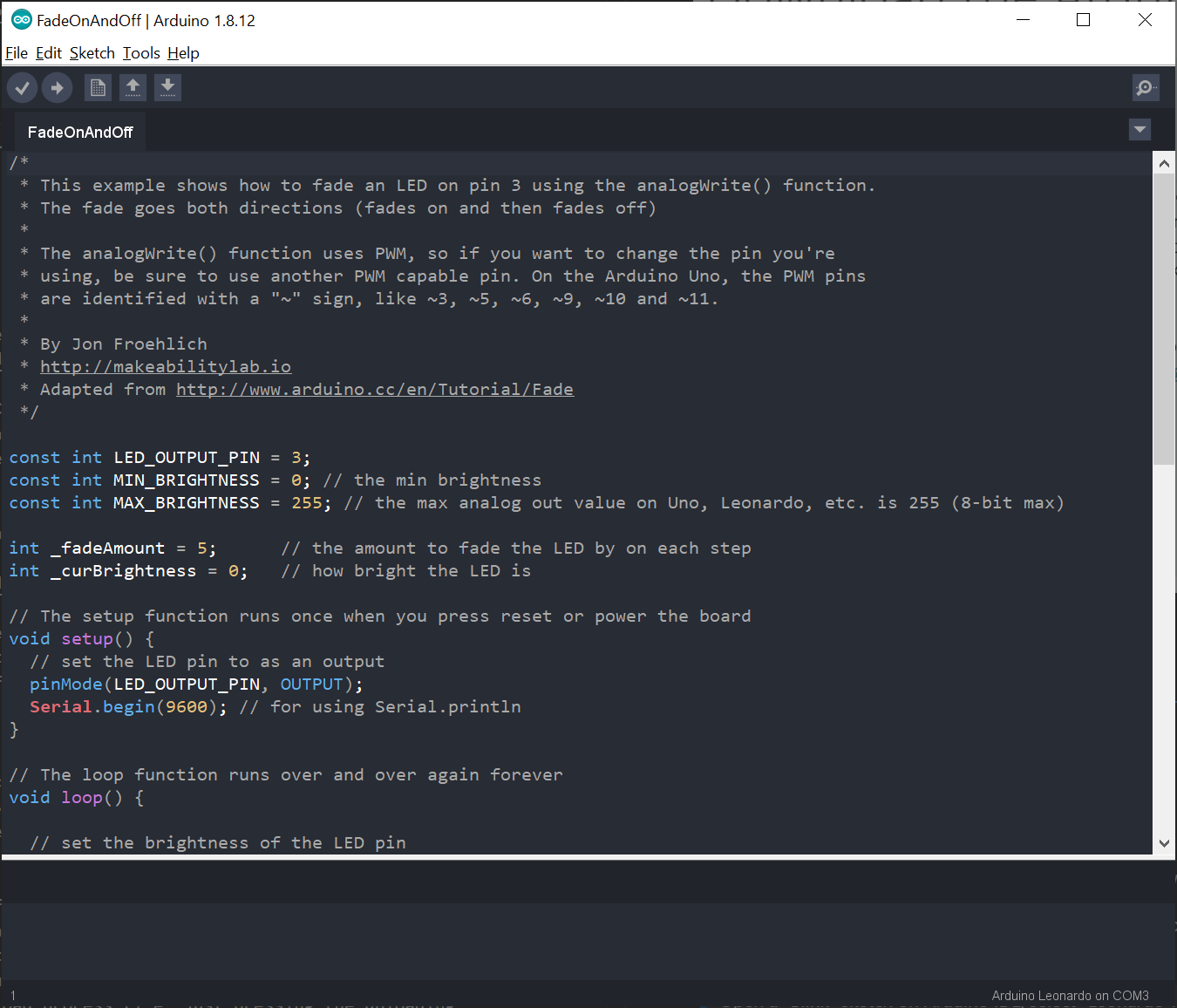 Arduino IDE - Physical Computing
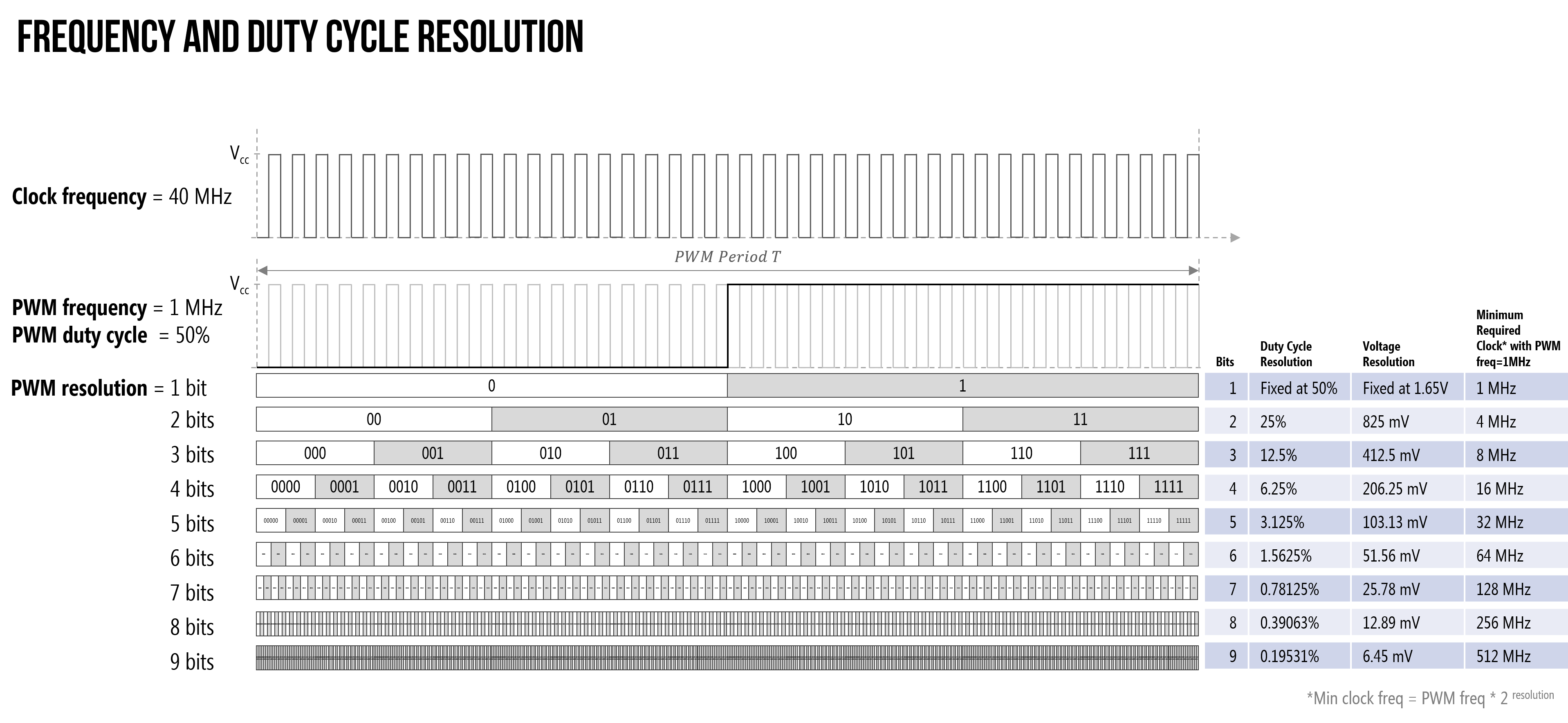 L3: Fading an LED with PWM - Physical ComputingL2: Programming with MakeCode - Physical Computing
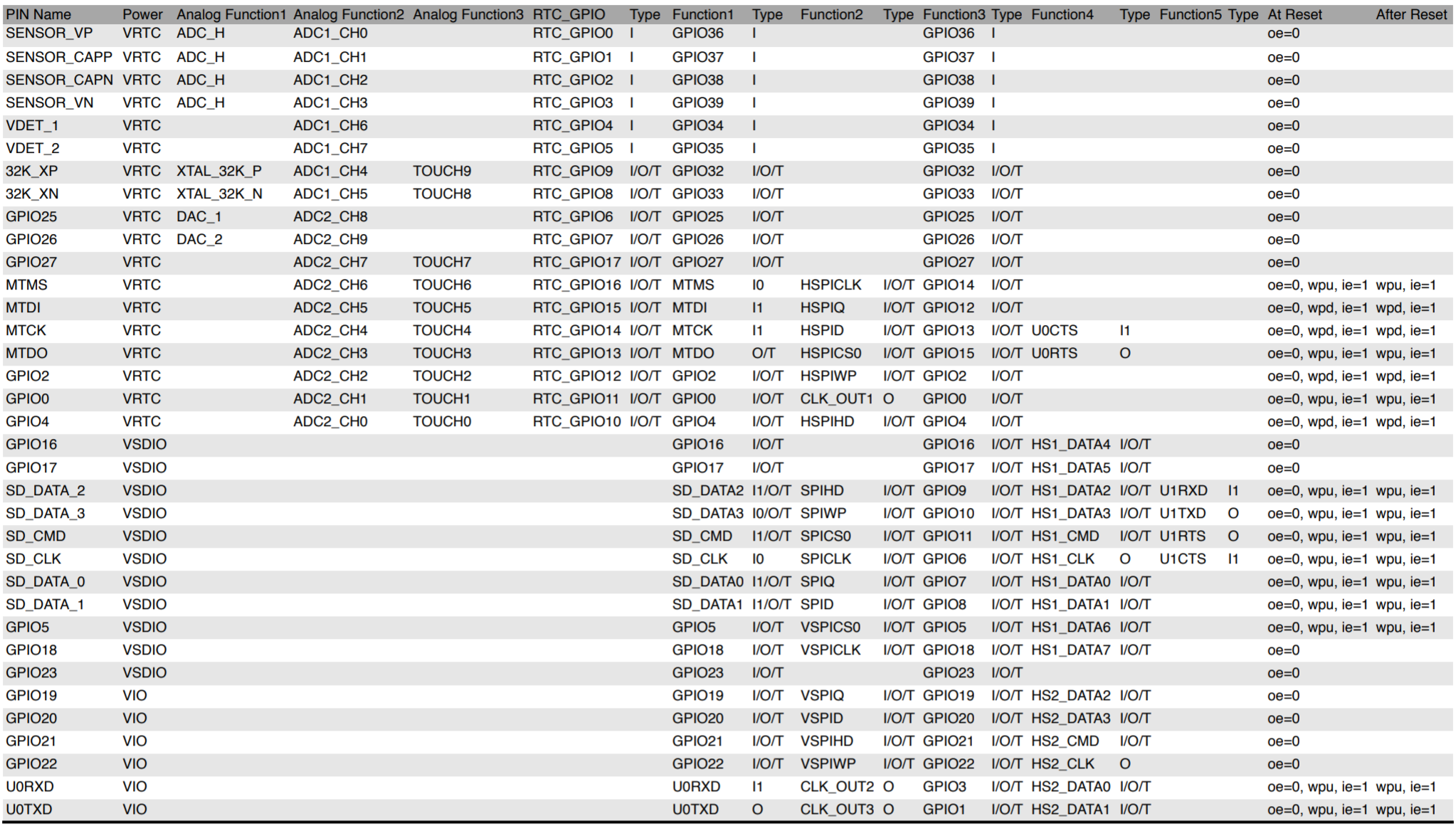 L1: Intro to the ESP32 - Physical Computing
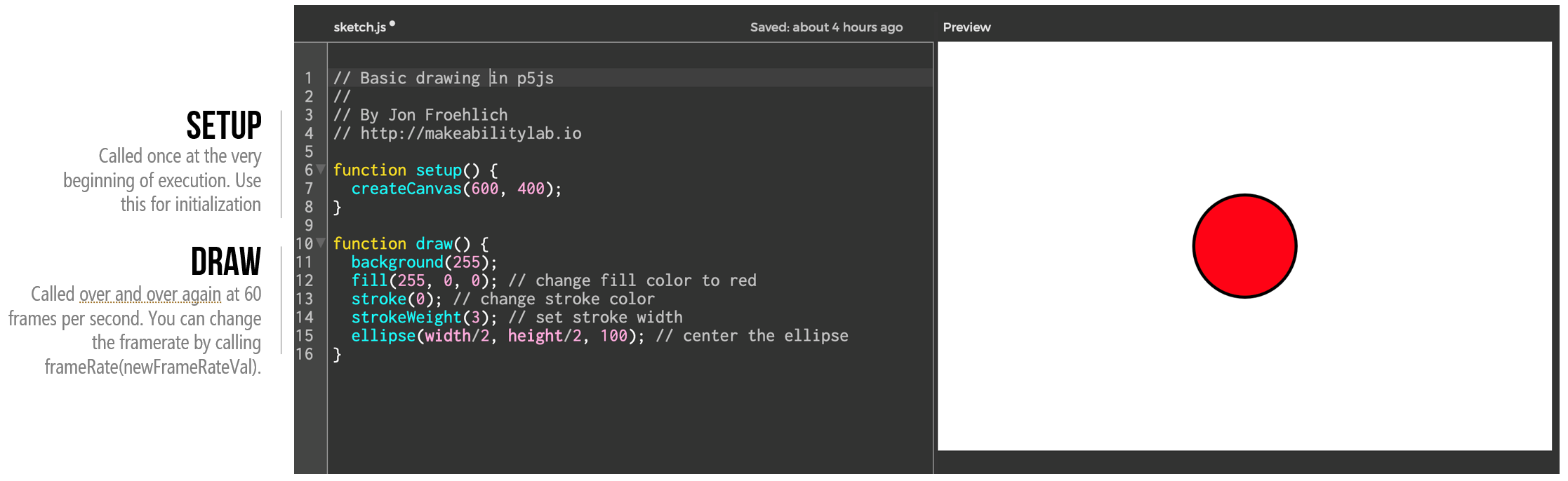 L3: p5.js Serial In - Physical Computing
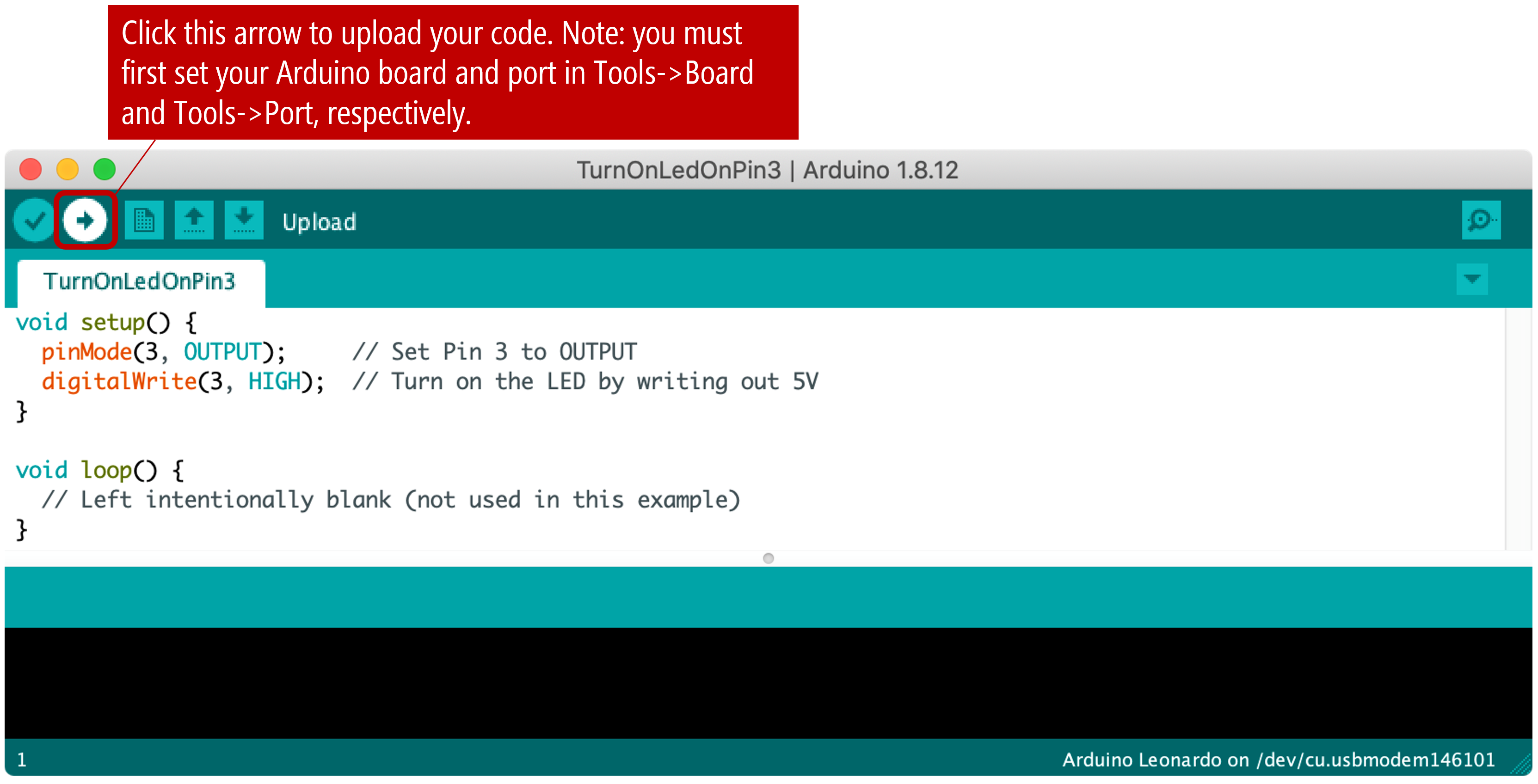 L2: Blinking an LED - Physical Computing
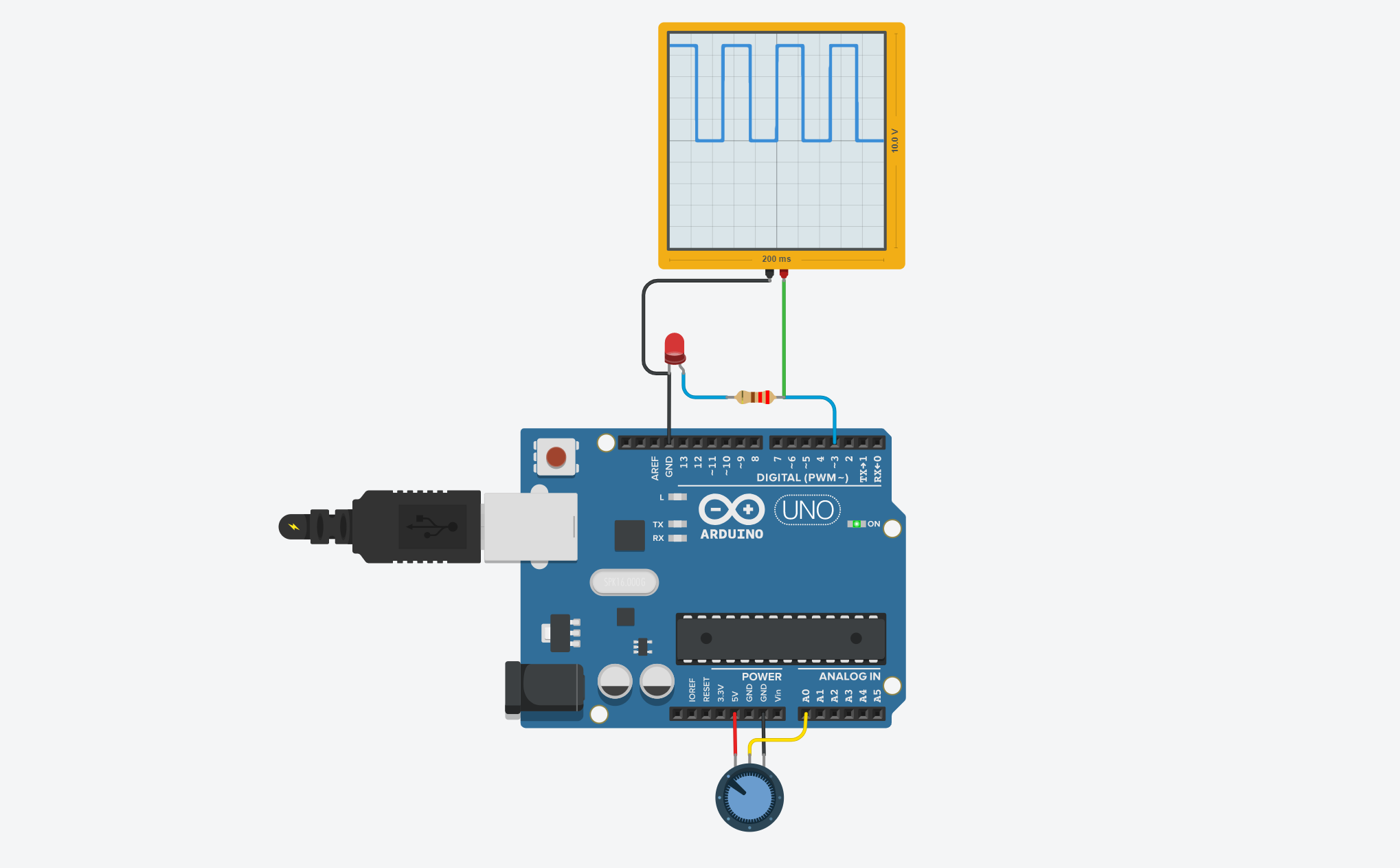 L2: Blinking an LED - Physical Computing
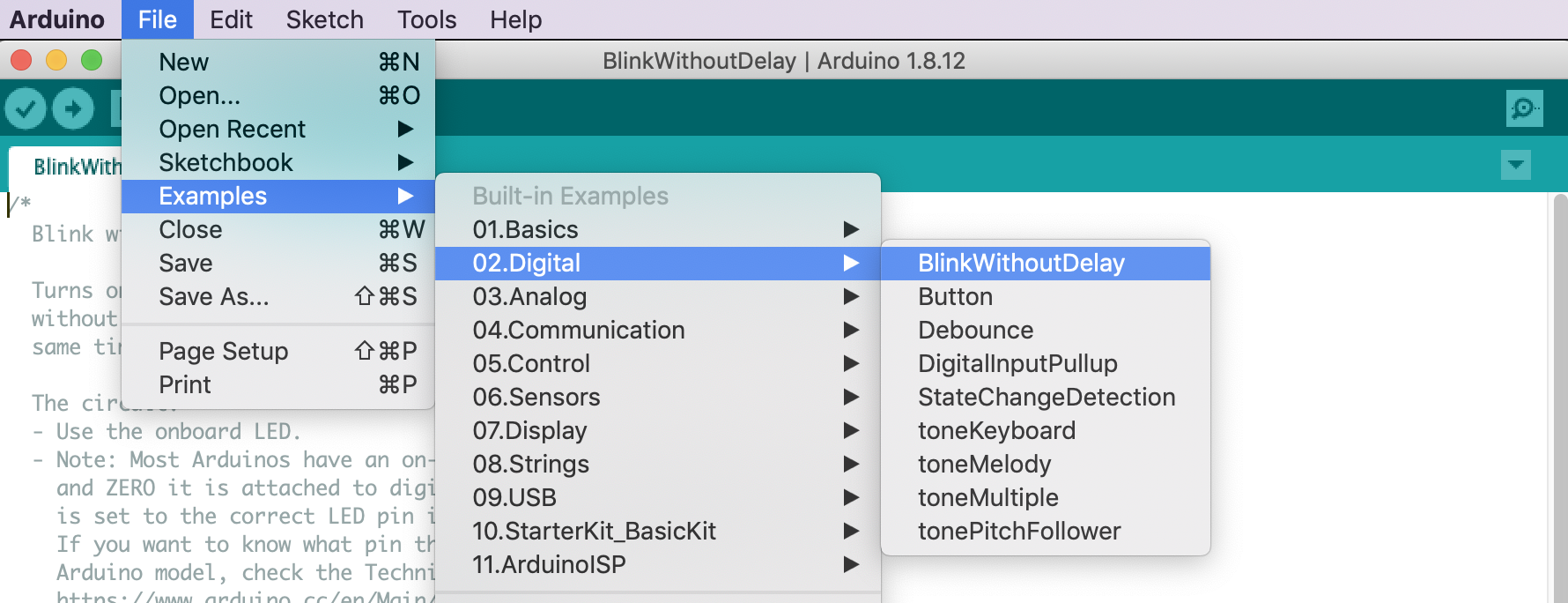 L2: Blinking an LED - Physical Computing
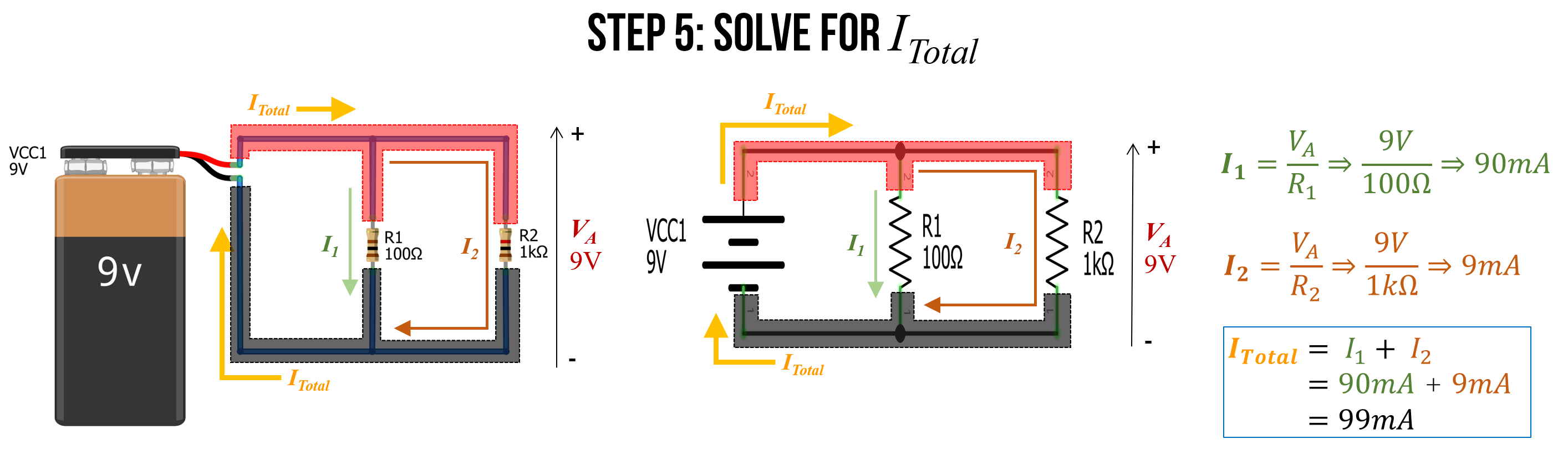 L4: Series and Parallel Resistors - Physical Computing
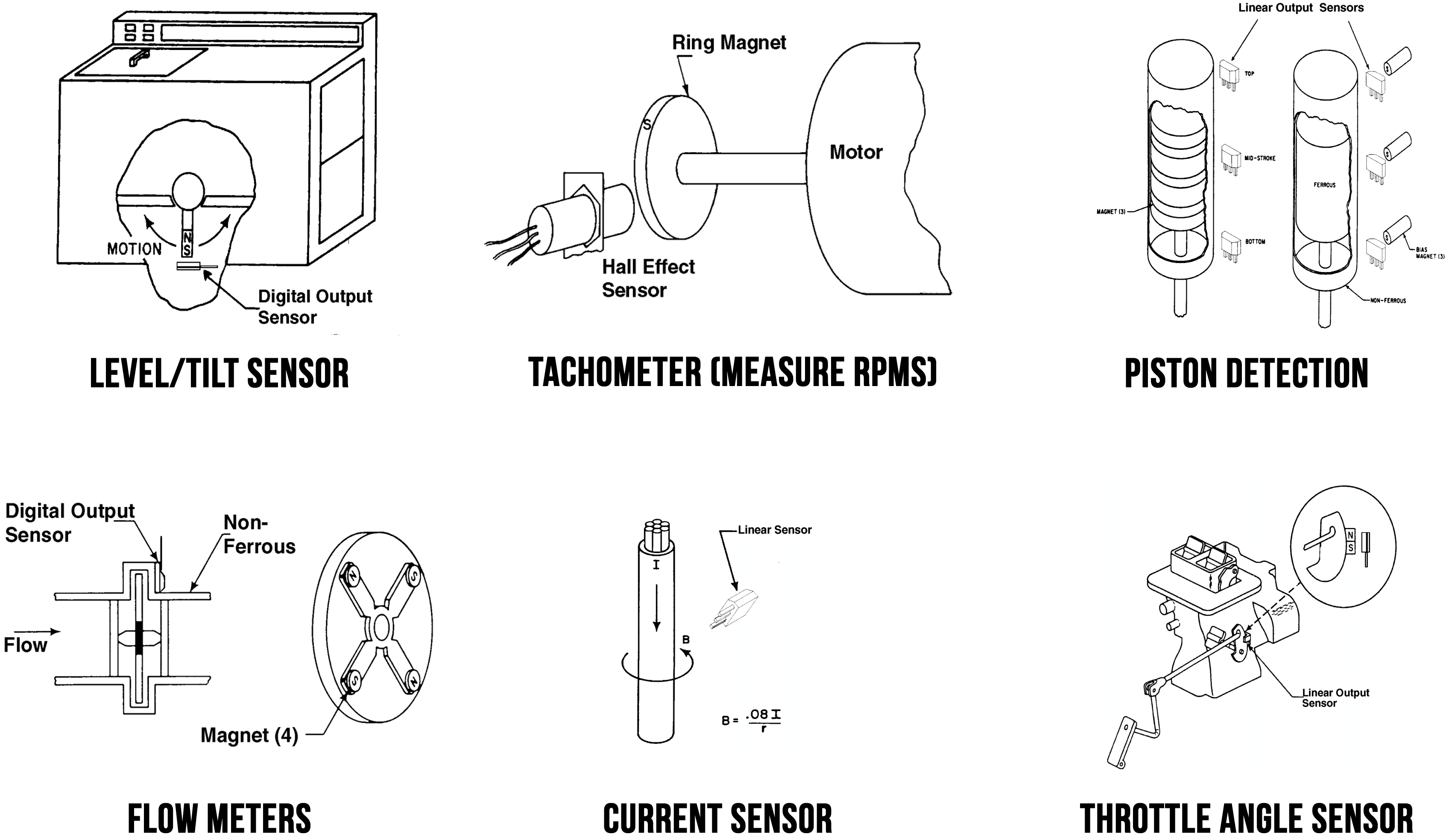 Hall Effect Sensors - Physical Computing
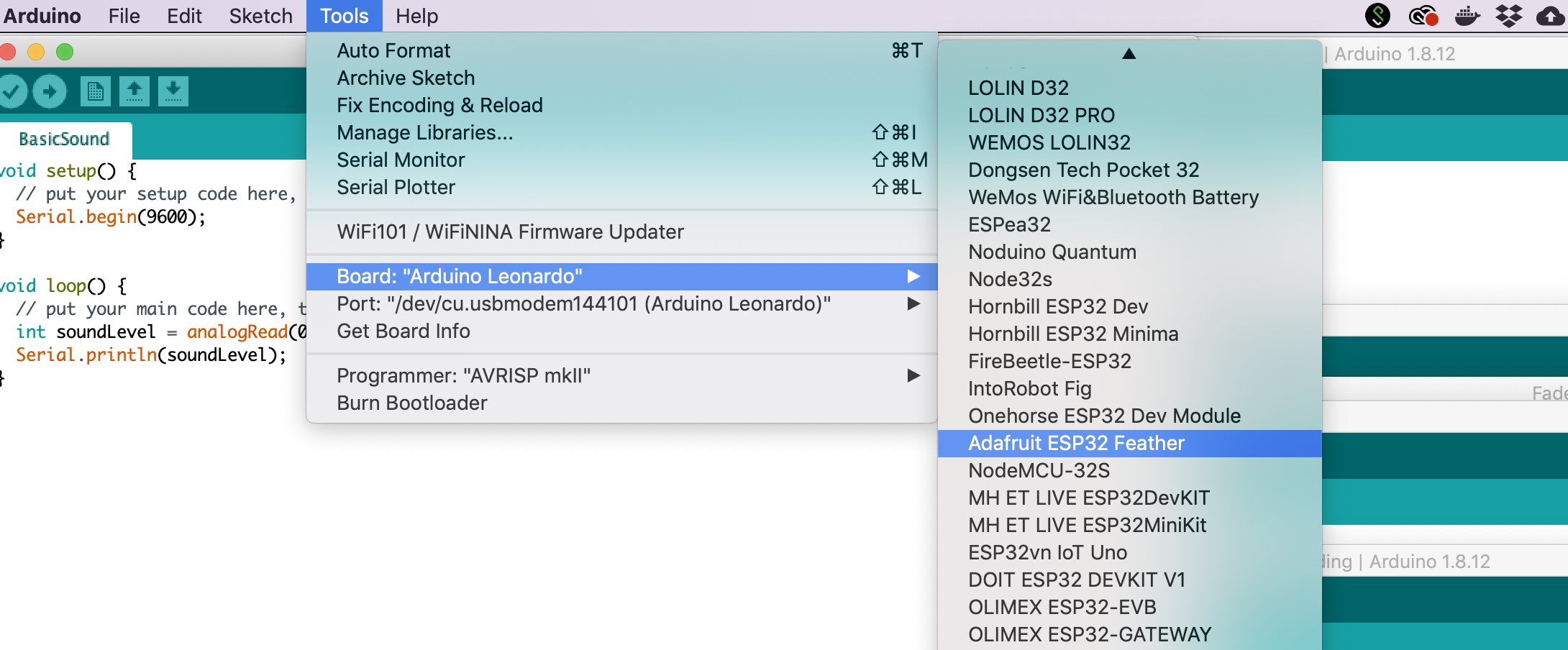 L1: Intro to the ESP32 - Physical Computing
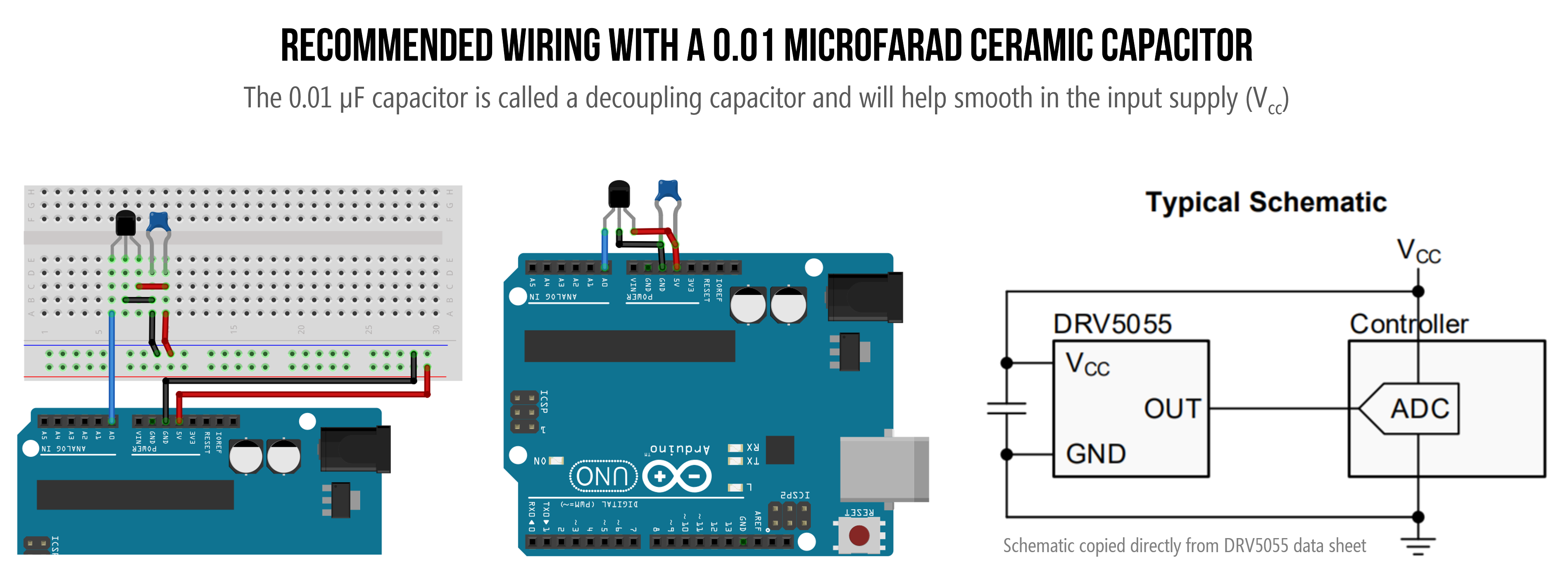 Hall Effect Sensors - Physical Computing
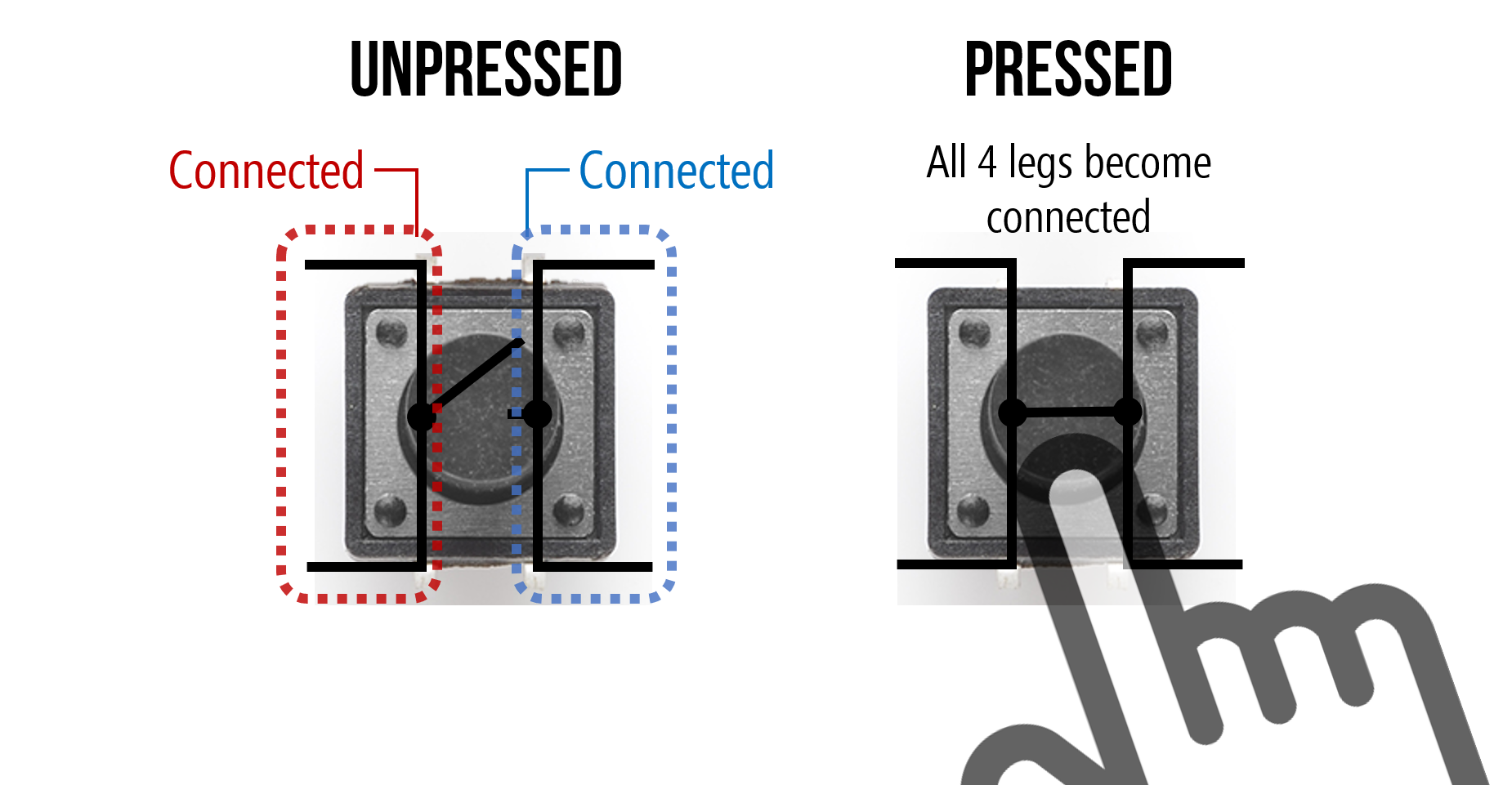 L1: Using buttons - Physical Computing
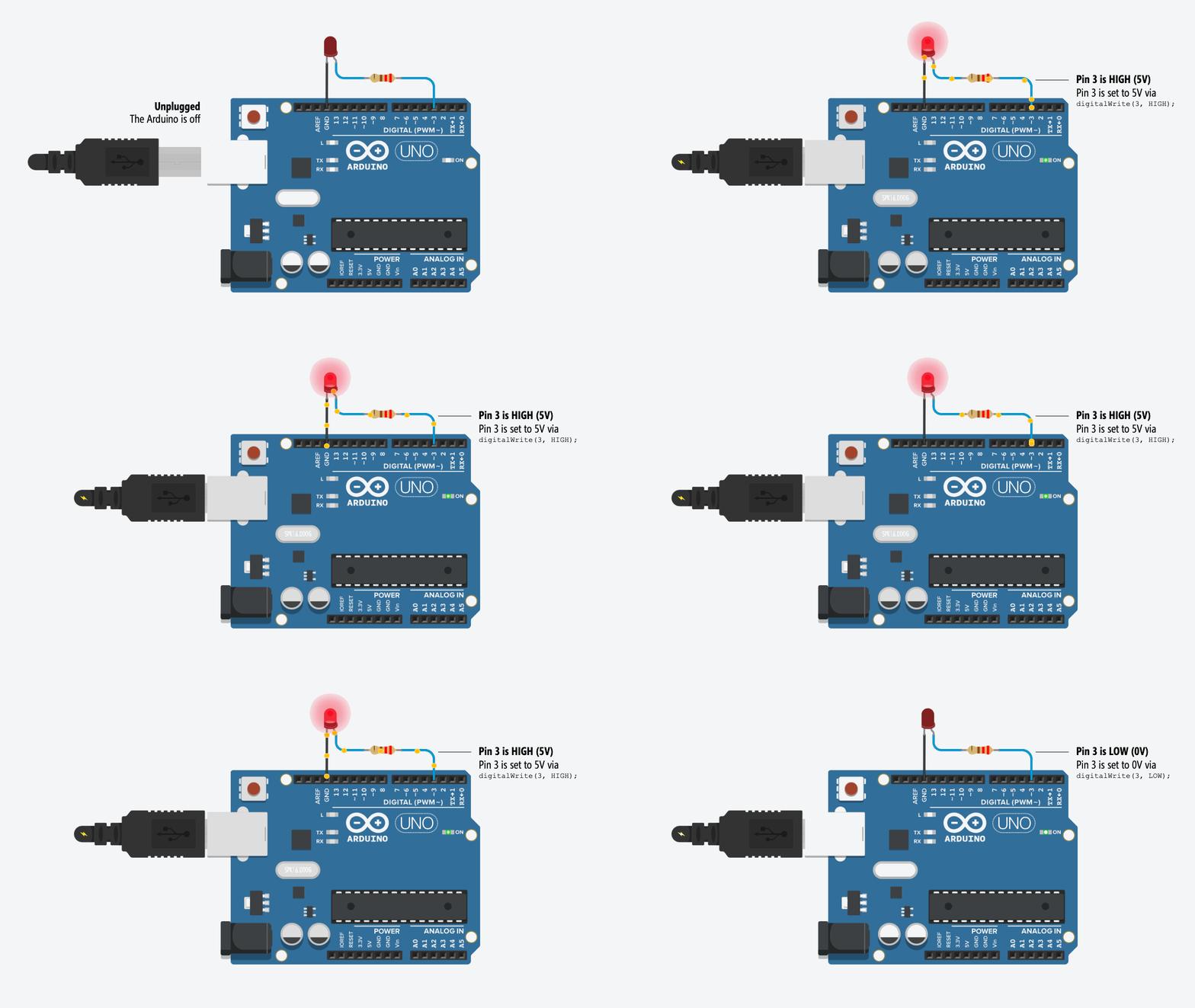 The Only Beginner Friendly Guide to Arduino — Part 1 | by Vijayalakshmi Swaminathan | Medium
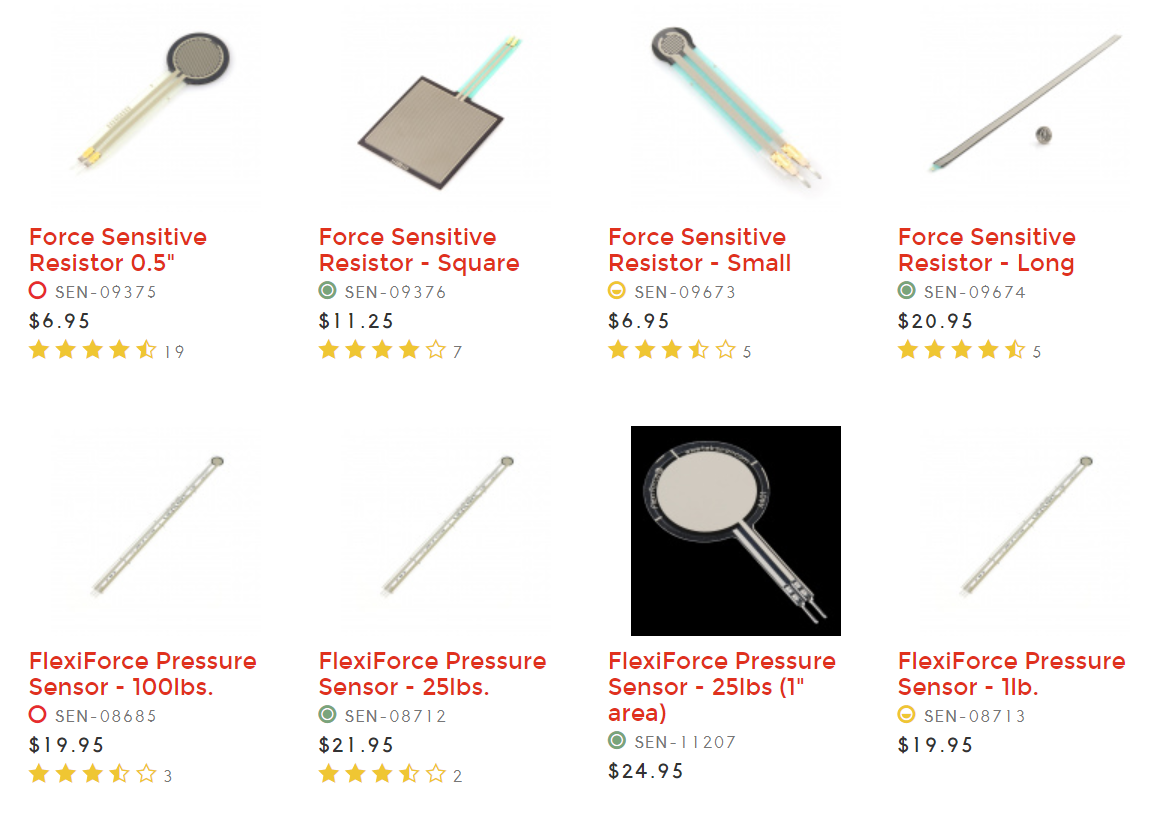 L5: Force-Sensitive Resistors - Physical Computing
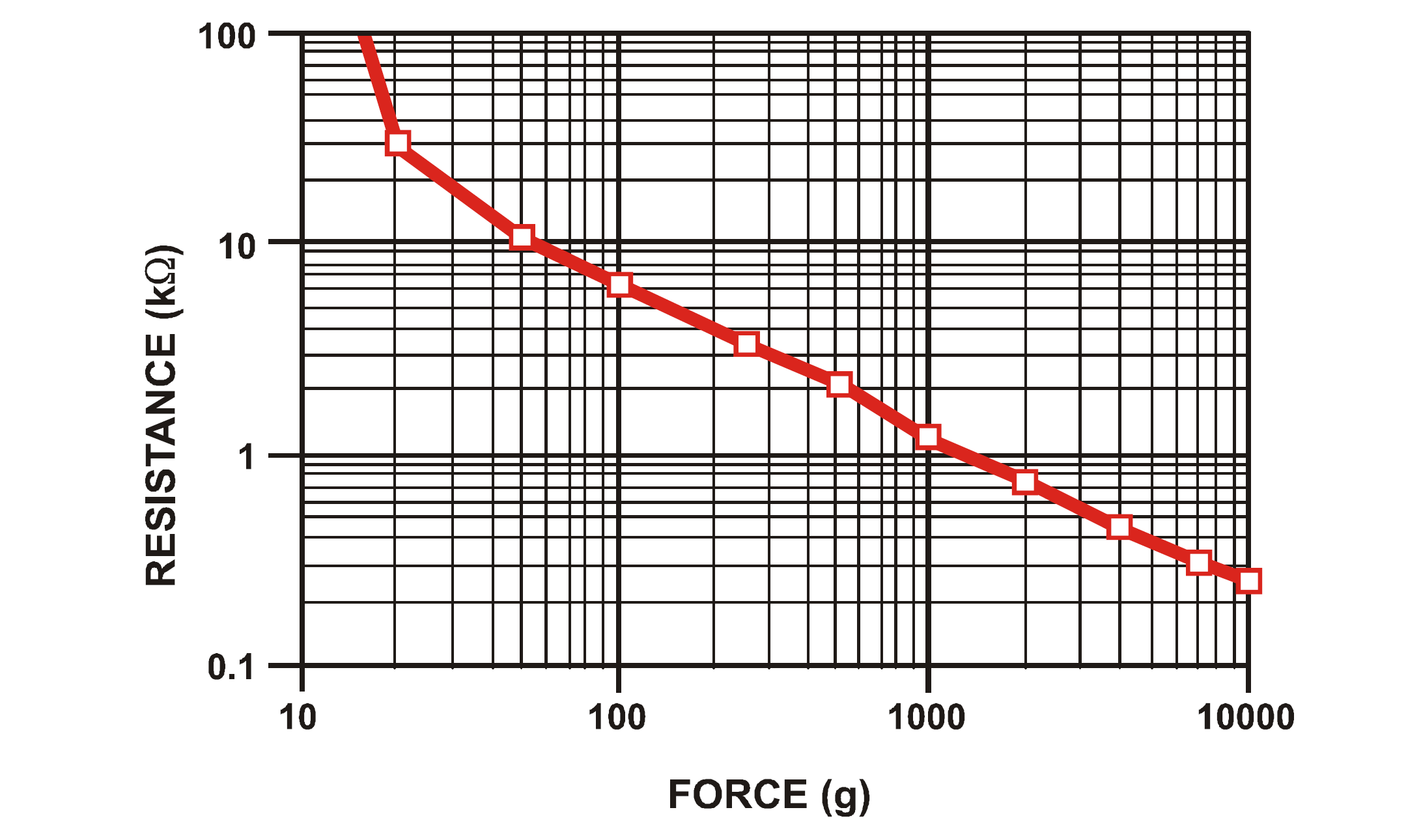 L5: Force-Sensitive Resistors - Physical Computing
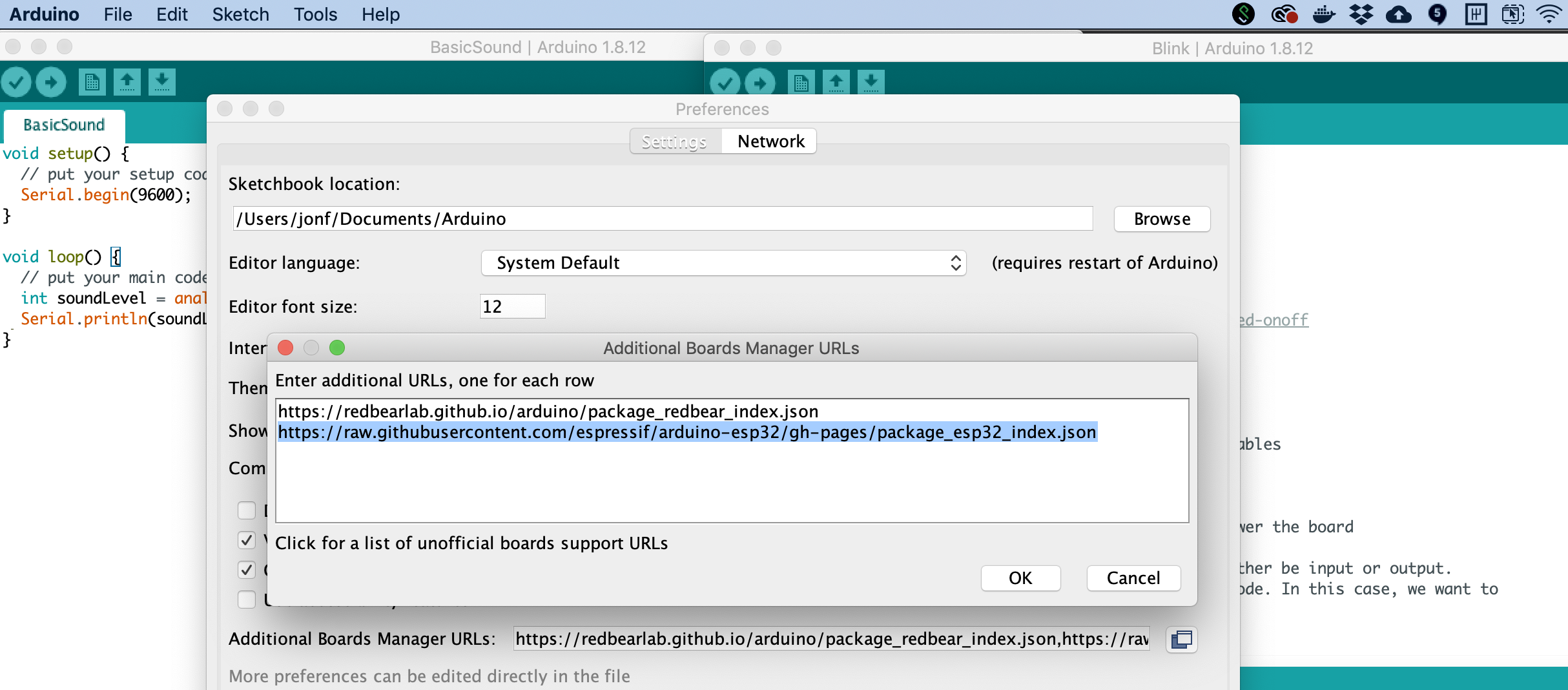 L1: Intro to the ESP32 - Physical Computing
 A Rapid Introduction to Creating Circuits in Fritzing - YouTube
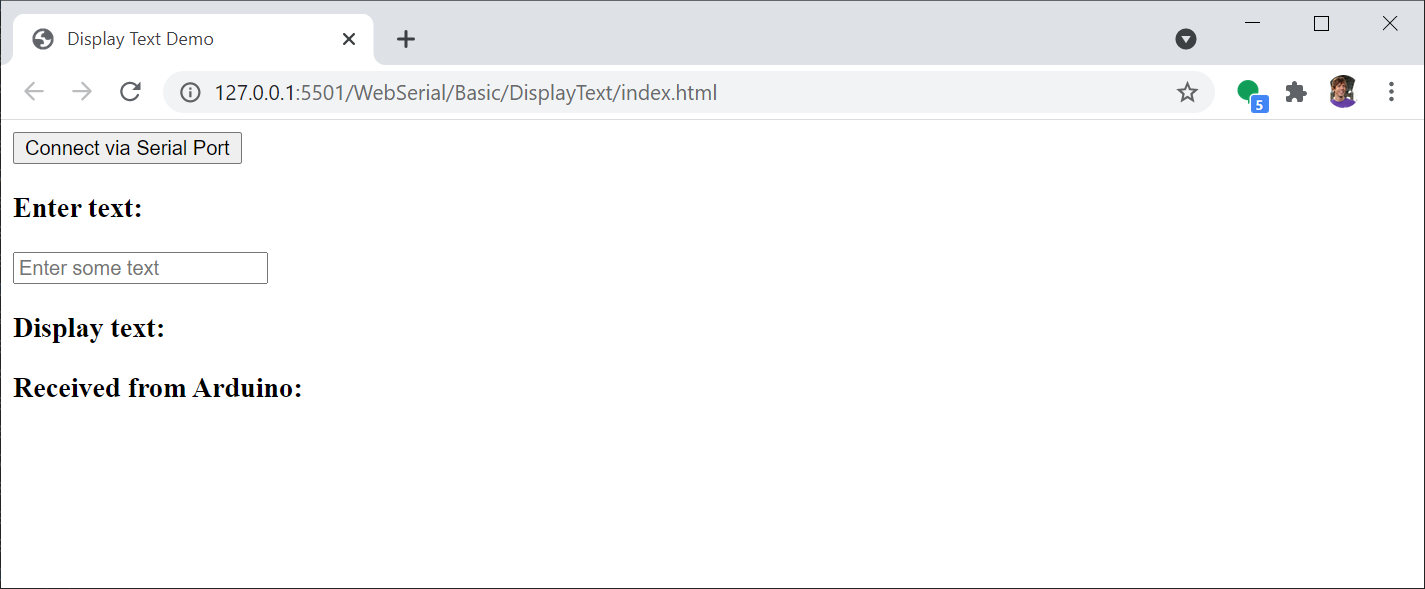 L2: Web Serial - Physical Computing
 Tweets with replies by Project Sidewalk (@projsidewalk) / Twitter
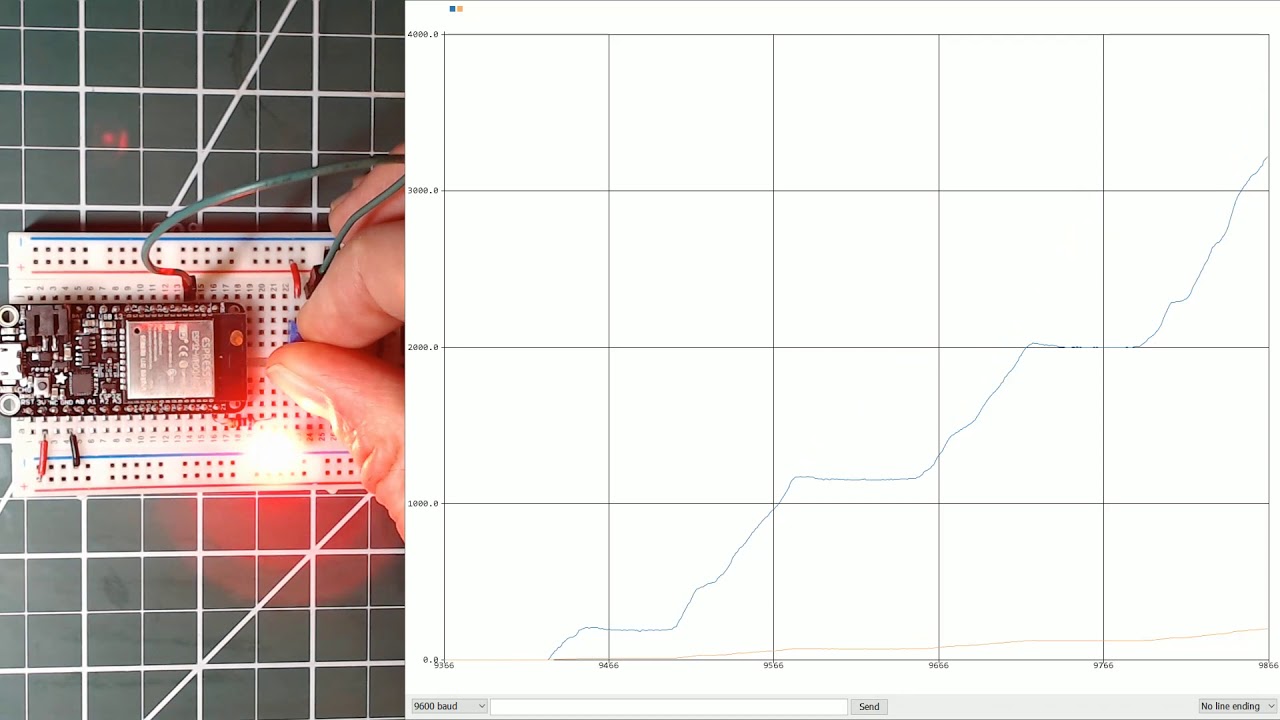 Potentiometer-based LED fader on Adafruit's Huzzah32 (ESP32) board - YouTube
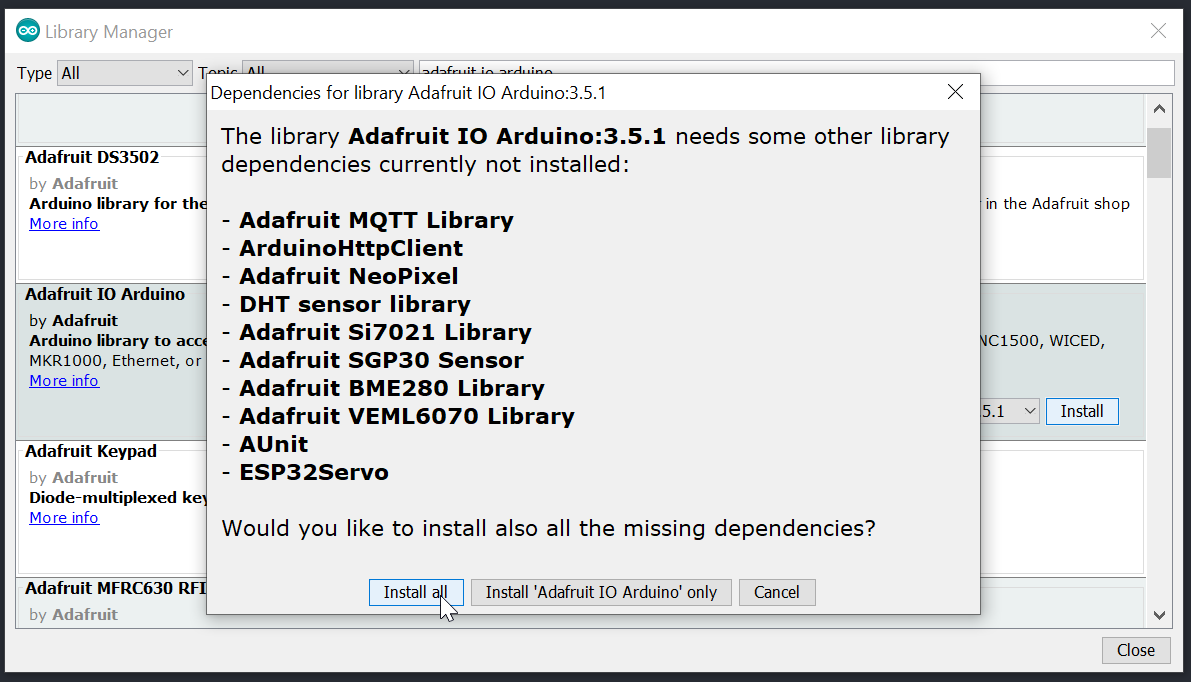 L7: Internet of Things - Physical Computing
 Other Resources – LearnHaptics
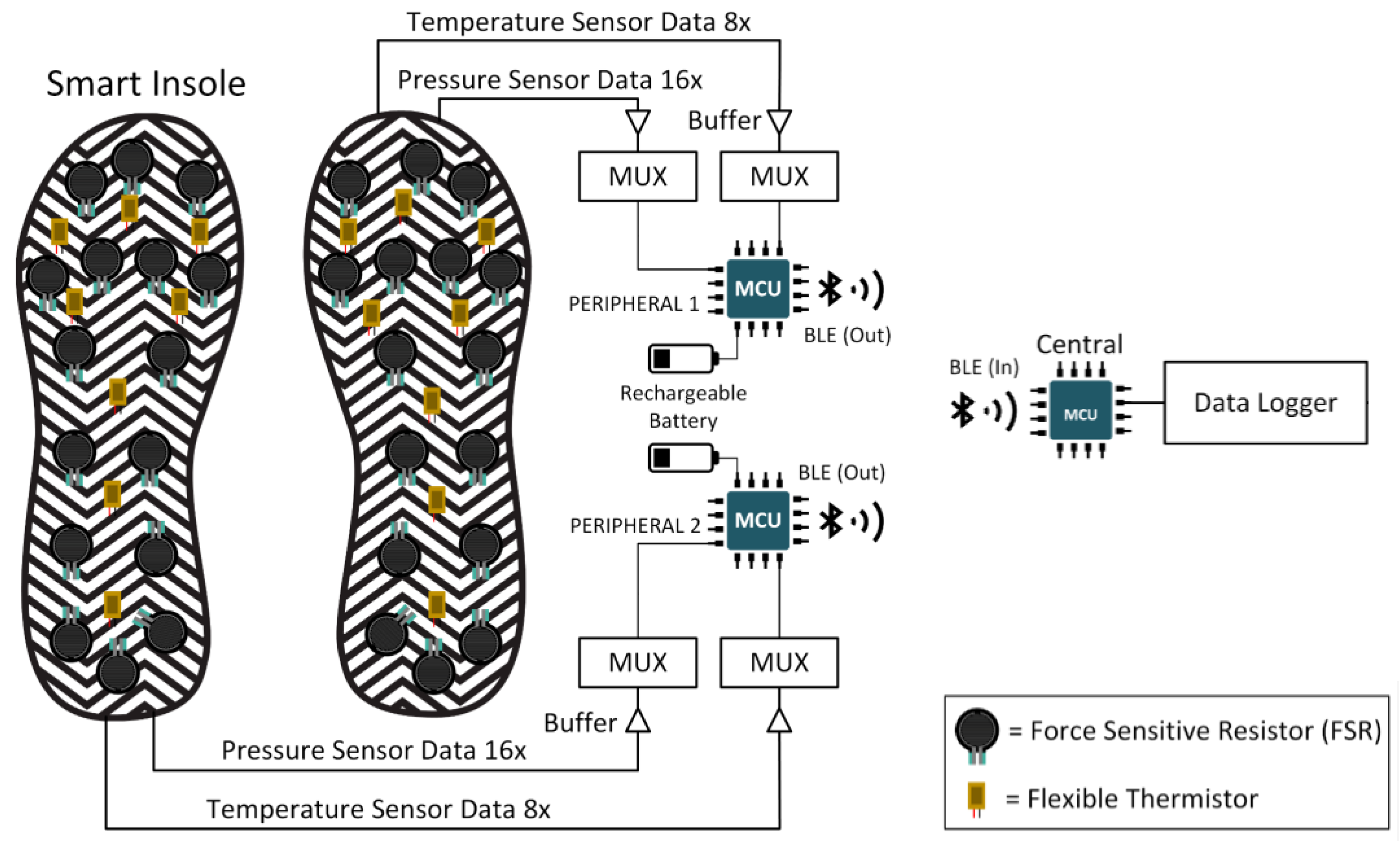 Sensors | Free Full-Text | Design and Implementation of a Smart Insole System to Measure Plantar Pressure and Temperature | HTML
![Exploring angles and p5js vectors [code in comments] : r/processing](https://external-preview.redd.it/y9gpPW9q4WWumbtxuqeIhqd6GTJGxri0W-Ch6sQxMEA.png?format=pjpg&auto=webp&s=87f4f11676df1e50557a6dd827fce73cd059571f) Exploring angles and p5js vectors [code in comments] : r/processing
Exploring angles and p5js vectors [code in comments] : r/processing Other Resources – LearnHaptics
 Rishiraj Adhikary (@rishihere) / Twitter
 Wokwi Users Group - Arduino, ESP32 and Embedded System Simulator | Does anyone have a wokwi ESP32 example with a working buzzer | Facebook
 jonfroehlich (u/jonfroehlich) - Reddit
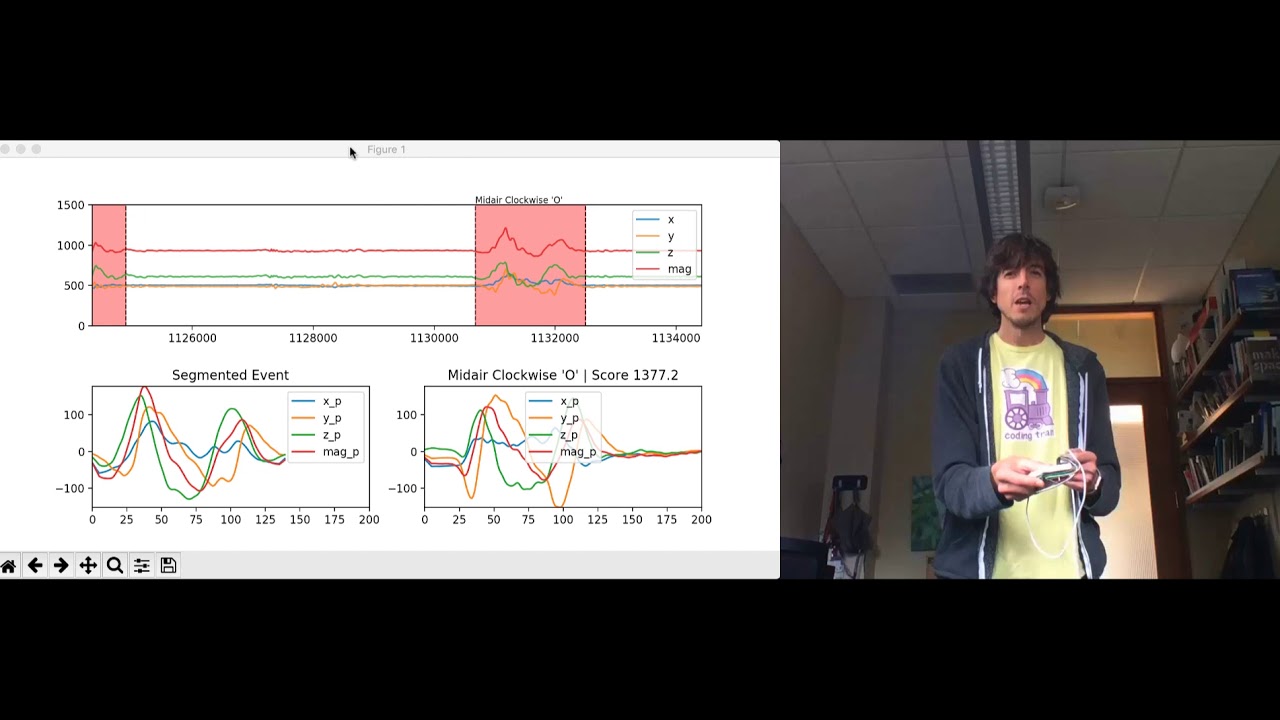 Realtime Accelerometer-Based 3D Gesture Recognition Demo - YouTube
 Sensors | Free Full-Text | Design and Implementation of a Smart Insole System to Measure Plantar Pressure and Temperature | HTML
 Jon Froehlich on Twitter: "I am teaching a non-majors Intro to Data Vis course for the first time. What a joy! 🥰 This week, we are experimenting with creating real-time sound visualizations
 PDF) Design and Implementation of a Smart Insole System to Measure Plantar Pressure and Temperature
 ProtoSound: A Personalized and Scalable Sound Recognition System for Deaf and Hard-of-Hearing Users
 Other Resources – LearnHaptics
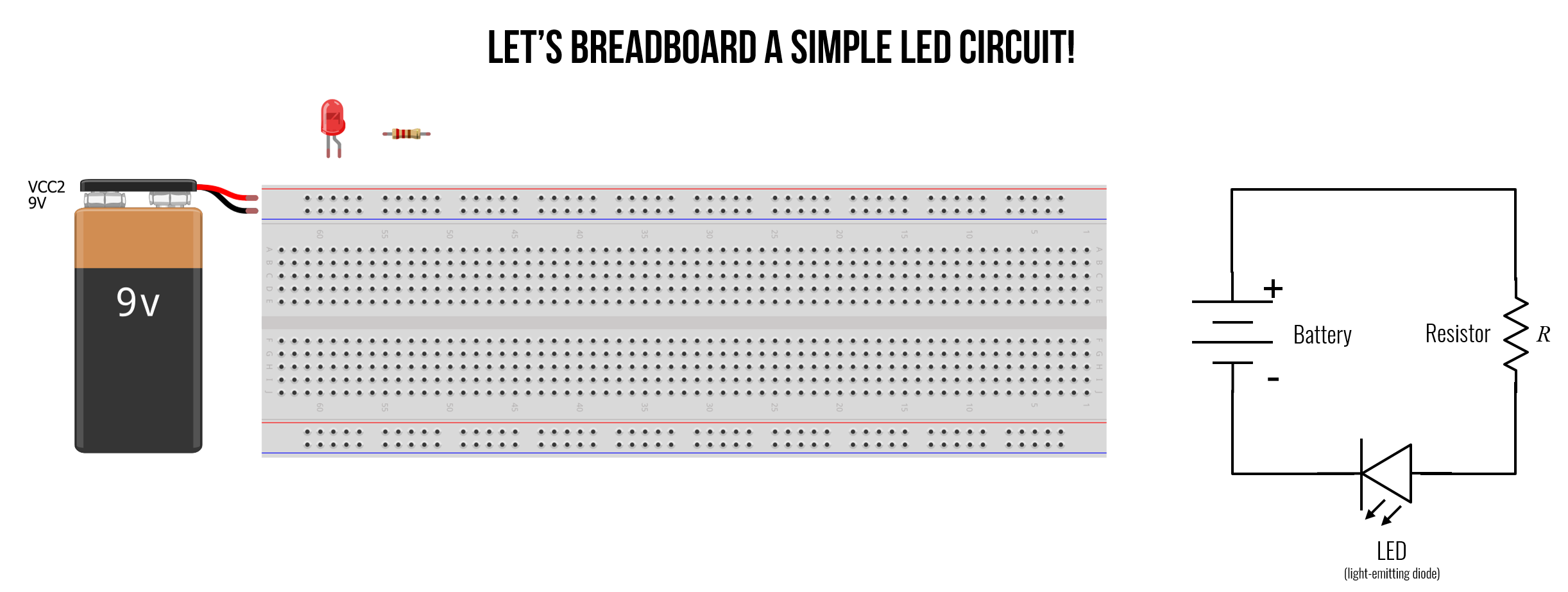 MMF-06D24DM-RC4 fan 60*60*25mm 24v #M1927 QL YH3 Electrical Equipment & Supplies ME2449446
 Does this diagram look correct? Trying to supply power to the board, 12v DC Motor, and servo motor from a 12v battery. : r/arduino
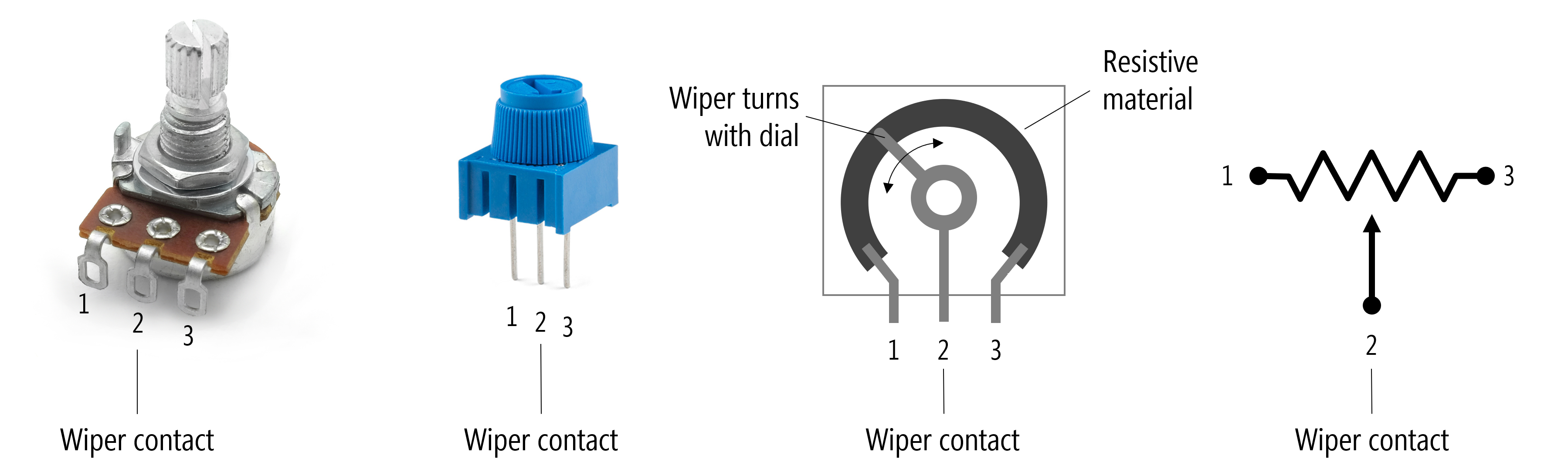 Bubble Bobble pcb sound potentiometer issue.
 ProtoSound: A Personalized and Scalable Sound Recognition System for Deaf and Hard-of-Hearing Users
 Sensors | Free Full-Text | Design and Implementation of a Smart Insole System to Measure Plantar Pressure and Temperature | HTML
 CSE490 Physical Computing Microgame Assignment - YouTube
 Tweets with replies by Rishiraj Adhikary (@rishihere) / Twitter
Frequently Asked Questions
Is this L2 Programming With MakeCode Physical Computing free to use?
Yes, 100% free. Download and print without creating an account or providing your email address.
What paper size does this template support?
Templates are designed for A4 and US Letter paper. Select 'Fit to page' in your printer dialog for the best fit.
Can I print multiple copies?
Yes. Once you download the image, you can print it as many times as you like for personal or educational use.